
Strategic Opportunities in Middle Eastern Energy Markets Amid the Ceasefire
The Iran-Israel ceasefire agreement, brokered in June 2025, has introduced a fragile yet critical window of stability to the Middle East's energy markets. While geopolitical risks remain, the reduction of immediate conflict volatility has begun to reshape oil prices, regional infrastructure development, and investment opportunities. For investors, this presents a rare chance to identify undervalued assets in a region often overshadowed by geopolitical turmoil. Below, we analyze the evolving dynamics and highlight strategic entry points for energy and infrastructure plays.
The Ceasefire's Impact on Oil Markets: Unwinding the “War Premium”
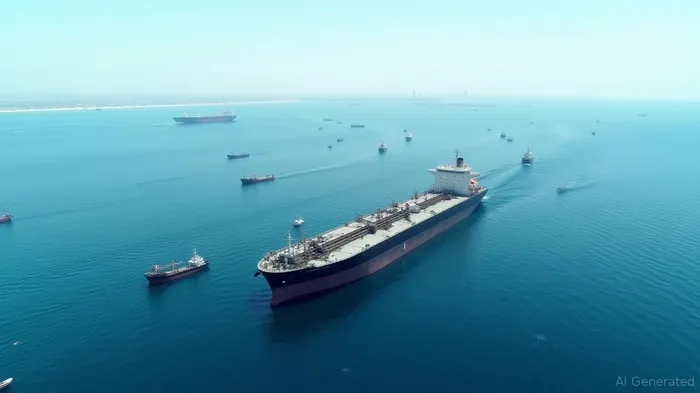
The ceasefire's announcement marked a pivotal shift in energy markets, with Brent crude dropping to $71.48/barrel—its lowest since early 2023—as traders unwound the $15–$20 “war premium” priced into oil due to fears of supply disruptions. This decline reflects reduced immediate risks to the Strait of Hormuz, through which 20 million barrels of oil flow daily.
However, the ceasefire's fragility persists. Accusations of violations by both Iran and Israel underscore the need for caution. Yet, the temporary stability has already benefited Middle Eastern producers. Saudi Arabia, for instance, has prioritized long-term production discipline over short-term gains, while Iraq and the UAE are accelerating infrastructure projects to capitalize on stabilized demand.
Geopolitical Risks: Reduced Volatility, Not Elimination
While the ceasefire has eased short-term tensions, underlying conflicts—such as Iran's nuclear ambitions and regional hegemony disputes—remain unresolved. The U.S. Federal Reserve's dovish stance, reflected in the dollar's decline to a 97.97 index, has further reduced the cost of capital for Middle Eastern energy projects.
This dual dynamic—lower oil prices and a weaker dollar—creates an advantageous environment for regional energy exporters. For instance, Iran's oil exports, though still constrained by U.S. sanctions, could see gradual increases if diplomatic talks progress. Meanwhile, Gulf Cooperation Council (GCC) nations are leveraging this stability to diversify their economies through renewables and infrastructure.
Asian Markets and the Dollar's Decline: Catalysts for Capital Inflow
The stabilization of Asian equity markets, particularly in Hong Kong and South Korea, has coincided with the dollar's decline, signaling a broader risk-on sentiment. This environment favors investments in Middle Eastern energy infrastructure, which often relies on cross-border financing.
- Infrastructure Plays: The Gulf region's $3 trillion infrastructure pipeline—including projects like Saudi Arabia's NEOM and the UAE's Masdar City—offers undervalued opportunities. These projects, aimed at reducing reliance on hydrocarbons, are now more accessible to global investors due to lower financing costs.
- Renewables Growth: The Middle East's solar and wind potential is vast, yet undercapitalized. Companies like Masdar (UAE) and ACWA Power (Saudi Arabia) are expanding renewable portfolios, backed by government subsidies and falling technology costs.
Undervalued Sectors: Infrastructure and Regional Utilities
The energy sector's undervalued segments lie in:
- Oil & Gas Logistics: Companies managing the Strait of Hormuz, such as the UAE's ADNOC Logistics, benefit from reduced disruption risks. Their stocks have lagged behind broader indices, offering a margin of safety.
- Regional Utilities: Middle Eastern utilities like Egypt's EETC and Qatar General Electricity & Water Corporation (Kahramaa) are undervalued relative to their growth trajectories. These firms are critical to diversifying energy mixes and face minimal geopolitical exposure.
Strategic Investment Recommendations
Investors should adopt a multi-pronged approach:
- Infrastructure ETFs: Consider exposure to the MSCIMSCI-- GCC Infrastructure Index, which tracks firms involved in regional projects.
- Renewables Plays: Invest in funds like the Invesco Solar ETF (TAN) or directly in companies like ACWA Power, which is expanding solar projects in Saudi Arabia and the UAE.
- Dollar-Funded Carry Trades: Pair USD-denominated energy debt (e.g., Saudi Aramco bonds) with short positions in emerging market currencies to amplify returns.
Risks and Considerations
- Ceasefire Reversal: Renewed conflict could spike oil prices to $130/barrel, destabilizing the region.
- OPEC+ Decisions: The July 2025 meeting could either stabilize prices near $70/barrel or exacerbate oversupply.
- Sanctions and Diplomacy: U.S.-Iran relations remain a wildcard, with nuclear talks tied to the ceasefire's longevity.
Conclusion
The Middle East's energy markets now offer a nuanced balance of risk and reward. While geopolitical risks linger, the ceasefire has created a难得的窗口 for investors to deploy capital in undervalued infrastructure, renewables, and logistics assets. Pairing this exposure with the dollar's decline and Asian market resilience positions investors to capitalize on a region transitioning from conflict to constructive development.
For now, the Strait of Hormuz remains open, and the region's energy future is brighter—if cautiously—than it has been in years.

Stay ahead of the market.
Get curated U.S. market news, insights and key dates delivered to your inbox.






Comments
No comments yet