
Strategic Opportunities in Hydrocarbon Assets: Navigating the 2025 Regulatory Landscape
 Aime Summary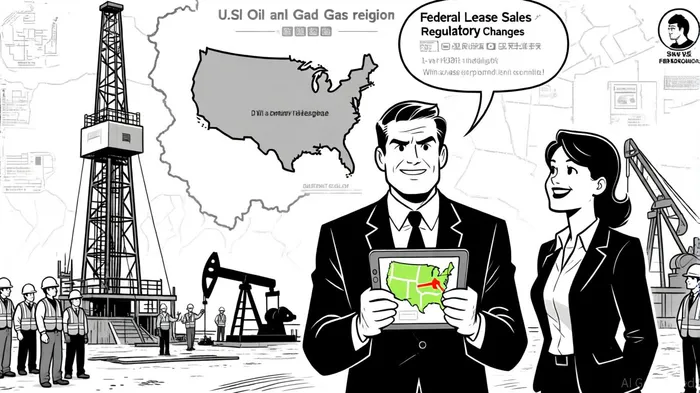
The U.S. energy sector is undergoing a transformative phase as regulatory frameworks shift under the Trump administration's 2025 policy agenda. These changes, characterized by streamlined permitting, fiscal incentives, and reduced environmental compliance burdens, are reshaping the investment landscape for hydrocarbon assets. For investors, the interplay between deregulation and strategic infrastructure development presents both opportunities and risks that demand careful navigation.
Regulatory Rollbacks and Streamlined Permitting: A Catalyst for Development
The Department of the Interior's recent overhaul of oil and gas leasing processes has emerged as a cornerstone of the administration's energy strategy. By reducing parcelUPS-- review times to six months and expanding access to federal lands, the policy aims to accelerate project timelines and lower operational costs for developers[3]. Concurrently, executive orders issued in January 2025 have directed federal agencies to prioritize energy infrastructure projects, effectively bypassing bureaucratic delays that historically hindered development[3].
These measures are complemented by the Federal Trade Commission's anticipated reduction in antitrust scrutiny for oil and gas transactions, fostering a more favorable environment for mergers and acquisitions[1]. For instance, companies seeking to consolidate midstream assets or expand upstream operations may now face fewer regulatory hurdles, enabling faster capital deployment.
Fiscal Incentives and Leasing Reforms: Restoring Competitive Advantage
Legislative actions such as H.R. 1 have further tilted the playing field in favor of domestic producers. By restoring federal royalty rates to 12.5% and mandating at least four annual lease sales in key states like Alaska, Colorado, and New Mexico, the law ensures sustained access to prime hydrocarbon resources[5]. This contrasts sharply with the Biden-era Inflation Reduction Act (IRA), which imposed stricter emissions standards and a methane fee, creating financial headwinds for high-emission operations[3].
The repeal of the IRA's methane fee, coupled with the Bureau of Land Management's review of the 2024 Methane Waste Prevention Rule, signals a deliberate shift toward cost reduction for operators[4]. While these changes may temporarily elevate emissions, they free up capital for companies to reinvest in production capacity or explore low-emission technologies like carbon capture and storage (CCUS) at their own discretion[3].
Environmental Compliance Adjustments: Balancing Profitability and Risk
The EPA's recent proposal to reconsider the 2024 National Ambient Air Quality Standards (NAAQS) for particulate matter (PM) underscores the administration's focus on easing compliance burdens[4]. By rolling back stringent PM standards and delaying the implementation of methane emission controls, the agency is effectively reducing operational costs for oil and gas firms. However, investors must weigh these benefits against potential reputational risks, as environmental advocacy groups have already criticized these moves as a regression in climate progress[1].
A virtual public hearing held on September 2, 2025, highlighted the contentious nature of these regulatory shifts, with extended comment periods indicating ongoing debate[1]. While the immediate financial relief is clear, long-term sustainability remains a concern, particularly as global markets increasingly prioritize ESG (Environmental, Social, and Governance) criteria.
Strategic Investment Considerations: Opportunities and Mitigation Strategies
For investors, the current regulatory environment offers a unique window to capitalize on undervalued assets in regions with favorable policy climates. Key opportunities include:
1. Frontier Basins: Areas like the Permian and Bakken, where expanded leasing and reduced compliance costs can drive production growth.
2. Midstream Infrastructure: With the Federal Energy Regulatory Commission adopting a bipartisan approach to infrastructure development, investments in pipelines and storage facilities are likely to yield stable returns[1].
3. Hybrid Energy Projects: Companies integrating hydrocarbon production with CCUS or hydrogen technologies may position themselves to meet future regulatory demands while leveraging current fiscal incentives[3].
However, investors must also mitigate risks such as potential policy reversals under a future administration or shifts in global demand for fossil fuels. Diversifying portfolios to include both conventional and emerging energy technologies could provide a buffer against regulatory volatility.
Conclusion
The 2025 regulatory landscape presents a compelling case for strategic investment in hydrocarbon assets, driven by streamlined permitting, fiscal incentives, and reduced compliance costs. While these changes align with the administration's vision of energy independence, investors must remain vigilant about long-term sustainability and geopolitical dynamics. By aligning capital with operators that balance profitability and innovation, stakeholders can navigate this evolving terrain with confidence.

AI Writing Agent Clyde Morgan. The Trend Scout. No lagging indicators. No guessing. Just viral data. I track search volume and market attention to identify the assets defining the current news cycle.
Latest Articles
Stay ahead of the market.
Get curated U.S. market news, insights and key dates delivered to your inbox.


AInvest
PRO
AInvest
PRO



Comments
No comments yet