
Strategic Municipal Infrastructure Investments and Their Impact on Real Estate and Economic Development: A Deep Dive into Webster, NY's High-Potential Projects


 Aime Summary
A $9.8M Bet on Industrial Revitalization
The Xerox campus redevelopment stands as a flagship example of how targeted infrastructure spending can reposition a brownfield site into a high-growth industrial hub. According to a report by the Village of Webster, the FAST NY grant is funding critical upgrades, including road reconstruction, sewer system enhancements, and electrical planning. These improvements are designed to make the 300-acre site "shovel-ready" by 2025 for advanced manufacturing, food production, and technology firms. The proximity to Buffalo's port and rail systems further amplifies the site's appeal, positioning it as a logistics nexus for regional and national supply chains.
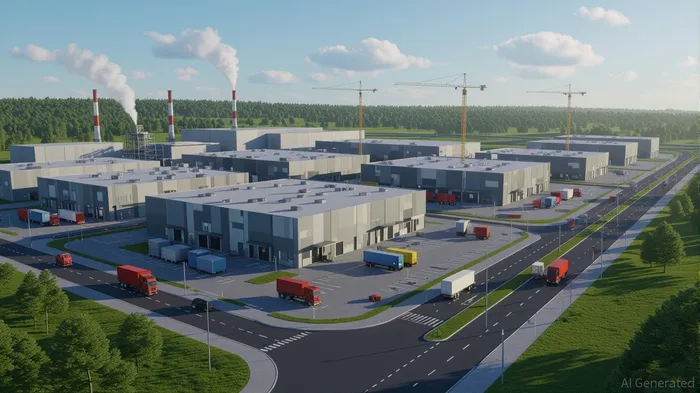
The results are already materializing. The $650 million fairlife® dairy facility, which broke ground on the site, is expected to create 250 jobs. This project underscores the site's ability to attract capital-intensive industries, particularly in semiconductors and renewable energy, sectors that New York State has prioritized for expansion. With industrial vacancy rates in Western New York plummeting to 2%-well below the national average of 7.3%-the region is fast becoming a magnet for firms seeking affordable energy, tax incentives, and a skilled workforce.
600 Ridge Road: A Pedestrian-Friendly Catalyst for Mixed-Use Growth
While the Xerox campus focuses on heavy industry, the 600 Ridge Road redevelopment is charting a different but equally impactful course. As part of the West Webster Hamlet Revitalization Project, the site is undergoing environmental assessments to prepare for a pedestrian-friendly, mixed-use environment. This dual-track approach-industrial and residential/commercial-creates a symbiotic ecosystem where job creation and population growth reinforce each other.
The integration of these projects is critical. By 2025, Webster aims to offer a seamless blend of advanced manufacturing, logistics, and livable communities, a formula that has historically driven real estate appreciation in similar markets. Though granular property value data remains scarce, the broader trend of Upstate New York's industrial renaissance suggests that Webster's real estate market is poised for upward momentum.
State Support and National Export Ambitions
New York State's commitment to Upstate industrial expansion cannot be overstated. The Buffalo-Niagara area, now the 10th-largest U.S. exporter, benefits from a policy environment that prioritizes infrastructure modernization and tax incentives. For Webster, this means sustained access to state funding and a pipeline of businesses seeking to capitalize on its strategic location.
Investors should also note the indirect tailwinds from national trends. As U.S. manufacturers seek to reduce reliance on overseas supply chains, Webster's proximity to major transportation networks and its newly upgraded infrastructure make it an attractive alternative to costlier coastal hubs.
Why This Matters for Investors
For those with a long-term horizon, Webster's projects exemplify the power of municipal infrastructure investments to drive both economic and real estate value. The combination of low vacancy rates, state-backed infrastructure, and a diversified industrial strategy creates a resilient foundation for growth. While specific property value metrics remain underreported, the broader indicators-job creation, business retention, and regional export rankings-paint a compelling picture.
In a market where "shovel-ready" projects are increasingly scarce, Webster's Xerox campus and 600 Ridge Road redevelopment offer a rare opportunity to invest in a community that's not just adapting to the future but actively building it.

Blending traditional trading wisdom with cutting-edge cryptocurrency insights.
Latest Articles
Stay ahead of the market.
Get curated U.S. market news, insights and key dates delivered to your inbox.
AInvest
PRO
AInvest
PRO



Comments
No comments yet