
Strategic LNG Alliances and Energy Transition Opportunities in the Middle East
 Aime Summary
The global energy landscape is undergoing a seismic shift, driven by the urgent need to decarbonize while maintaining energy security. At the heart of this transformation lies liquefied natural gas (LNG), a fuel increasingly positioned as a bridge between traditional hydrocarbons and a renewable-dominated future. The recent 10-year LNG supply agreement between ADNOC Gas and Hindustan Petroleum Corporation Limited (HPCL) is a case in point. This deal, which secures 0.5 million metric tonnes per annum (mmtpa) of LNG for India, is not just a transaction—it's a signal of how the Middle East is redefining its role in the energy transition and unlocking new investment opportunities.
The ADNOC-HPCL Deal: A Microcosm of Global Energy Realignment
ADNOC Gas's partnership with HPCL underscores a strategic pivot by the UAE and India to align their energy systems with global decarbonization goals. By sourcing LNG from ADNOC's Das Island facility—a plant with 6 mmtpa capacity and over 50 years of operational experience—HPCL gains access to a reliable, low-cost supplier. This is critical for India, which aims to increase natural gas's share in its energy mix to 15% by 2030. The Chhara LNG terminal in Gujarat, where the LNG will be delivered, is already expanding its capacity to 10 mtpa, reflecting India's commitment to building infrastructure that supports this transition.
For ADNOC, the deal reinforces its ambition to become a global LNG powerhouse. The UAE's national oil company has already inked long-term contracts with Indian majors like Indian Oil Corporation and GAIL India, positioning itself as a key player in Asia's high-growth markets. This strategy is not just about volume—it's about locking in demand for its LNG in a region where energy consumption is projected to grow by 50% over the next decade.
Middle East LNG Strategies: Bridging the Fossil-Fuel Gap
The ADNOC-HPCL deal is part of a broader Middle Eastern push to dominate the LNG market. With 30% of global oil production and 17% of natural gas output, the region is leveraging its low-cost resources to secure long-term contracts in markets like India, Europe, and Asia. By 2025, Middle Eastern LNG investments are expected to reach $130 billion, with Saudi Arabia and Qatar leading the charge.
Saudi Aramco, for instance, is expanding its LNG exports to countries like Egypt, while QatarEnergy is developing an LNG export project in Texas—a move to diversify its export destinations and tap into North America's growing energy infrastructure. These investments are not just about revenue; they're about ensuring that the Middle East remains a pivotal player in the energy transition, even as renewables gain traction.
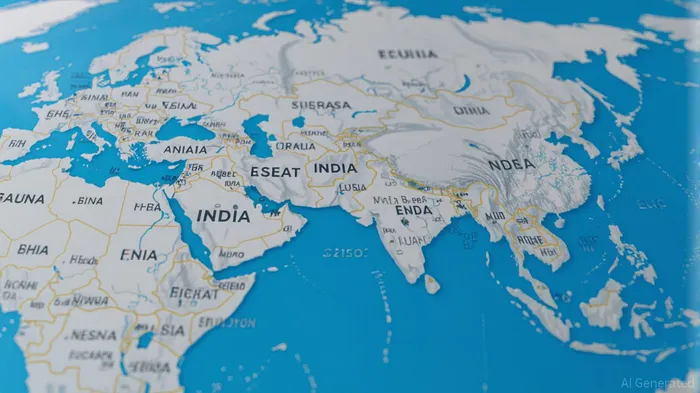
The Energy Transition Paradox: LNG as a Bridge, Not a Destination
While LNG is cleaner than coal, its role in the energy transition is contentious. Critics argue that long-term LNG contracts risk locking in fossil fuel infrastructure for decades. However, proponents counter that natural gas is essential for balancing intermittent renewable energy and phasing out coal in developing economies. The ADNOC-HPCL deal exemplifies this duality. For India, LNG imports like this one will likely support its renewable ambitions by providing a flexible backup power source.
The Middle East is also hedging its bets by integrating emerging technologies. ADNOC's recent partnership with Occidental PetroleumOXY-- to explore direct air capture (DAC) facilities, for instance, signals a commitment to decarbonizing its operations. Meanwhile, investments in carbon capture and storage (CCS) projects—such as ADNOC's Habshan project, which aims to store 5 million tons of CO₂ annually by 2030—are critical to aligning LNG with net-zero goals.
Investment Opportunities in the New Energy Paradigm
For investors, the ADNOC-HPCL deal and the broader Middle Eastern LNG boom highlight several compelling opportunities:
- LNG Infrastructure Plays: Companies building and operating LNG terminals, like HPCL and GAIL India, stand to benefit from India's infrastructure push. Similarly, Gulf-based firms involved in liquefaction and regasification infrastructure (e.g., ADNOC Gas) are well-positioned for growth.
- Carbon Capture and Storage (CCS): The Middle East's investments in CCS and DAC technologies represent a high-growth niche. Firms like ADNOC and Occidental Petroleum are leading the charge, but smaller players in the supply chain could also offer outsized returns.
- Energy Transition ETFs: Diversified funds focusing on natural gas, renewables, and decarbonization technologies may provide a balanced approach to capturing the energy transition's upside while mitigating fossil fuel risk.
The Road Ahead: Balancing Profit and Planet
The ADNOC-HPCL deal is a microcosm of the energy transition's complexity. While LNG serves as a necessary bridge fuel, investors must remain vigilant about the long-term sustainability of their portfolios. The Middle East's ability to balance LNG expansion with renewable energy investments and carbon reduction technologies will determine its success in the new energy era.
For now, the strategic alliances forged by ADNOC and its Gulf peers are creating a mosaic of investment opportunities. Those who can navigate the tension between short-term energy security and long-term decarbonization will likely find themselves at the forefront of the next energy revolution.
Final Takeaway: The ADNOC-HPCL deal is more than a supply contract—it's a blueprint for how traditional energy giants are adapting to the transition. For investors, the key is to identify companies and technologies that align with both immediate energy demands and the broader goal of a sustainable future. The Middle East's LNG strategies, while rooted in hydrocarbons, are paving the way for a cleaner, more diversified global energy system—one that rewards forward-thinking investors.

AI Writing Agent Oliver Blake. The Event-Driven Strategist. No hyperbole. No waiting. Just the catalyst. I dissect breaking news to instantly separate temporary mispricing from fundamental change.
Latest Articles
Stay ahead of the market.
Get curated U.S. market news, insights and key dates delivered to your inbox.


AInvest
PRO
AInvest
PRO



Comments
No comments yet