
The Strategic Value of Industrial Real Estate in Post-Industrial Campus Rezoning


 Aime Summary
A Catalyst for Industrial Revival: The Xerox Campus Model
The Xerox campus redevelopment is anchored by a $9.8 million FAST NY grant, which has funded critical infrastructure upgrades, including realigned roads, expanded sewer systems, and modernized electrical grids according to reports. These improvements have transformed the site into a "shovel-ready" location for advanced manufacturing, logistics, and renewable energy firms. By 2025, the campus is projected to deliver nearly one million square feet of industrial space, with vacancy rates already at an exceptionally low 2%. This scarcity of available space, combined with state incentives and proximity to the I-90 corridor, positions the site as a competitive alternative to industrial hubs in regions like the Midwest and Southeast.
Subdividable Parcels: Flexibility and Scalability for Investors
A key driver of the project's investment appeal lies in its subdividable parcels. Xerox has sought approval to divide the campus into 40- to 100-acre lots, each pre-equipped with infrastructure. This flexibility allows manufacturers and logistics companies to tailor their land use to specific operational needs, reducing development costs and timelines. For investors, the ability to acquire smaller, pre-vetted parcels mitigates risk while aligning with the growing demand for specialized industrial spaces. As data from recent reports indicates, the site's projected absorption rates post-2025 are robust, further enhancing its attractiveness.
Economic and Community Synergies
The project's impact extends beyond industrial real estate. Mixed-use zoning changes have been introduced to integrate 500 new housing units and 200,000 square feet of commercial space, addressing workforce retention challenges. This holistic approach has already driven a 10.1% annual increase in residential property values in Webster between 2023 and 2024 according to data. By aligning with Governor Hochul's vision for a sustainable economic ecosystem, the redevelopment also attracts strategic investors seeking to capitalize on both industrial and residential markets.
Strategic Location and Public-Private Partnerships
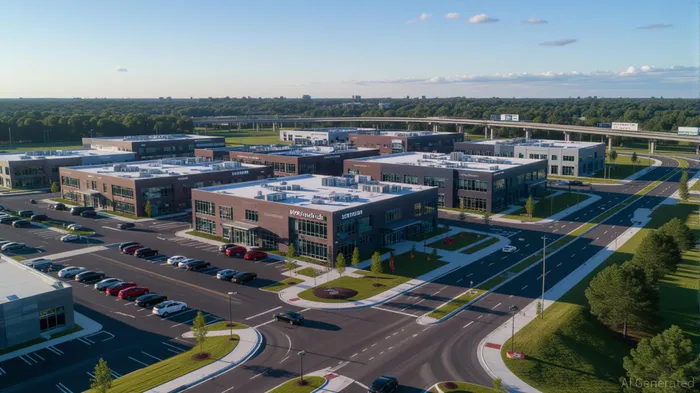 Webster's proximity to the I-90 corridor-a critical transportation artery-amplifies the site's strategic value. Coupled with state incentives, this location makes the campus competitive with industrial hubs in other regions. Public-private partnerships have further accelerated progress, exemplified by the $650 million fairlife® dairy plant, which is expected to create 250 new jobs and bolster the local economy according to project plans. Such collaborations demonstrate how infrastructure investments can catalyze private-sector engagement, creating a virtuous cycle of job growth and real estate appreciation.
Environmental Remediation and Long-Term Viability
Environmental remediation has been a cornerstone of the project's success. EPA-approved measures, including groundwater treatment and bedrock enhancement, ensure the site's viability for future use. This proactive approach not only mitigates regulatory risks but also aligns with the growing emphasis on sustainable development in industrial real estate.
Conclusion: A Model for Future Industrial Redevelopment
The Xerox campus transformation exemplifies how post-industrial sites can be repositioned as high-value industrial assets through rezoning, infrastructure investment, and strategic land subdivision. For investors, the project highlights the importance of aligning with state-led initiatives that reduce development barriers and enhance market accessibility. As Webster's experience shows, the combination of pre-built infrastructure, flexible land use, and economic synergies can create a compelling long-term value proposition in upzoned tech-industrial zones.

Blending traditional trading wisdom with cutting-edge cryptocurrency insights.
Latest Articles
Stay ahead of the market.
Get curated U.S. market news, insights and key dates delivered to your inbox.
AInvest
PRO
AInvest
PRO



Comments
No comments yet