
Strategic Implications of Israel-Iran Tensions: Energy Volatility and Defense Plays
The escalating military conflict between Israel and Iran in June 2025 has thrust geopolitical risk into the spotlight, with profound consequences for global energy markets and defense industries. As attacks on critical infrastructure—particularly oil and gas facilities—escalate, investors must navigate a landscape of short-term opportunities and long-term risks. This analysis explores how prolonged instability could reshape investment strategies across sectors.
Energy Markets: Volatility Creates Both Risk and Reward
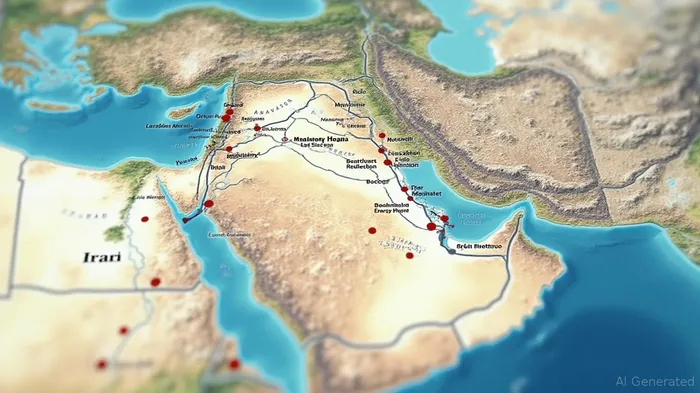
The immediate impact of the conflict has been a 9% spike in oil prices due to fears of supply disruptions in the world's most critical oil transit region. Iran's South Pars gas field—a facility critical to its energy exports—and Israel's Haifa refinery have been targeted, underscoring the vulnerability of infrastructure in the region.
Investment Implications:
- Short-Term Plays: Energy equitiesELPC--, particularly those with exposure to Middle Eastern production (e.g., ExxonMobil (XOM), Chevron (CVX)), could see gains as geopolitical tension supports prices. ETFs like the Energy Select Sector SPDR Fund (XLE) offer broad exposure.
- Risk: A full closure of the Strait of Hormuz—a 20% global oil chokepoint—could push prices above $100/barrel, but sustained disruptions risk triggering global recessionary pressures. Investors should pair long positions with options strategies to hedge against downside.
Defense Sector: A Boom for Missiles, Cybersecurity, and Diversification
The conflict has intensified demand for defensive technologies. Israel's reliance on systems like Iron Dome and the U.S. military's THAAD interceptors highlights the strategic value of missile defense and cybersecurity. Meanwhile, regional allies like Saudi Arabia and the UAE are likely to accelerate defense spending amid heightened threats.
Investment Opportunities:
- Missile Defense: Companies like Raytheon (RTX), which supplies Patriot systems, and Lockheed Martin (LMT), a key Iron Dome partner, stand to benefit from increased procurement.
- Cybersecurity: As critical infrastructure comes under attack, firms like Palo Alto Networks (PANW) and Fortinet (FTNT) could see demand for industrial cyber protections.
- Long-Term Trends: The conflict may accelerate global defense spending, particularly in Europe and Asia, as nations seek energy independence and military resilience.
Macroeconomic Risks: The Double-Edged Sword of Volatility
While sector-specific opportunities exist, prolonged conflict poses systemic risks:
- Inflationary Pressures: Higher oil prices could reignite inflation, forcing central banks to delay rate cuts. This would weigh on equities, especially rate-sensitive sectors like tech and consumer discretionary.
- Supply Chain Disruptions: Rerouted shipping (e.g., via the Cape of Good Hope) adds costs and delays, squeezing margins for global manufacturers.
- Geopolitical Spillover: Escalation risks U.S.-Iran tensions or broader regional wars, potentially triggering sanctions and asset freezes that disrupt global trade.
Investment Strategy: Balance Opportunism with Caution
- Aggressive Plays:
- Overweight energy ETFs (XLE) and defense stocks (RTX, LMT) in diversified portfolios.
- Use inverse ETFs (e.g., S&P 500 Short ETF (SH)) to hedge against macroeconomic risks.
- Defensive Measures:
- Allocate to inflation-protected assets like gold (GLD) or Treasury Inflation-Protected Securities (TIPS).
- Avoid overexposure to Middle Eastern equities, given the risk of asset nationalization or sanctions.
Conclusion
The Israel-Iran conflict represents a pivotal moment for investors. While energy and defense sectors offer clear opportunities, the broader market faces risks from inflation and supply chain fragility. A balanced approach—capitalizing on sector-specific trends while hedging against macroeconomic headwinds—is critical. Investors should remain agile, monitoring oil price movements, defense procurement contracts, and geopolitical developments to adjust strategies in real time.
Final Caution: Do not mistake short-term volatility for long-term trends. Sustained conflict could destabilize global growth, requiring a strategic pivot to safer havens if tensions escalate further.
Data sources: S&P Global, IHS Markit, and Energy Information Administration (EIA).

Stay ahead of the market.
Get curated U.S. market news, insights and key dates delivered to your inbox.


AInvest
PRO
AInvest
PRO



Comments
No comments yet