
Strategic Entry Points in Natural Gas: Navigating Storage Surpluses and LNG Opportunities
The U.S. natural gas market is at a crossroads. With storage levels nearing record highs and prices hovering near multi-year lows, the sector presents a compelling opportunity for long-term investors to position for a rebound. This article examines the interplay of record production, mild weather, and storage dynamics, while identifying strategic entry points in the LNG export sector and storage infrastructure plays.
The Current Landscape: Surging Storage, Slumping Prices
Natural gas prices have declined sharply this year, with the Henry Hub spot price dropping to $3.26/MMBtu by late June 2025, a 22-cent weekly decline. . This slump is driven by two key factors:
1. Record Production Growth: U.S. dry gas production hit 106.0 Bcf/day in June, up 2.7% year-over-year, fueled by efficiency gains in shale plays like the Northeast.
2. Mild Weather and Reduced Demand: Cooler-than-expected summer temperatures cut gas-fired power generation, easing pressure on storage.
Storage levels, meanwhile, have surged to 2,898 Bcf as of June 20, 7% above the five-year average. The EIA projects storage could reach 3,932 Bcf by October, assuming average injection rates. This surplus has created a short-term oversupply, but investors should look beyond the noise to identify structural opportunities.
Key Drivers of an Upcoming Rebound
1. LNG Exports: The Growth Engine
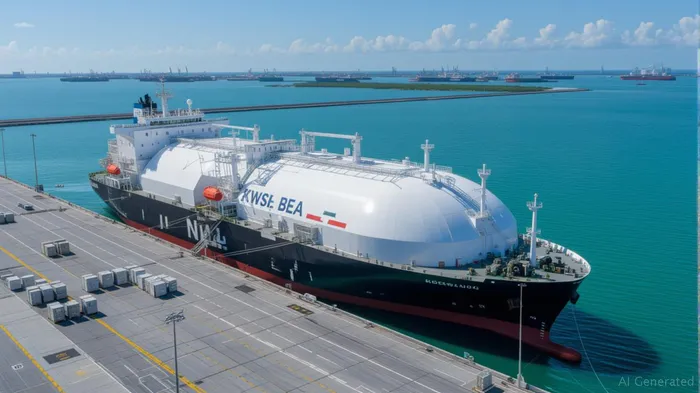
Despite recent dips in LNG exports due to terminal maintenance, the sector remains a critical demand driver. U.S. LNG shipments averaged 14.9 Bcf/day in June, and the EIA forecasts 14.6 Bcf/day in 2025, rising to 16.0 Bcf/day by 2026. With Asian and European buyers seeking stable supplies amid geopolitical tensions, LNG exporters like Cheniere Energy (LNG) and Tellurian (TELL) could benefit from rising global prices.
2. Weather-Driven Volatility
Mild weather has been a temporary reprieve. Historically, natural gas prices spike during winter heating seasons or heatwaves. If 2025's autumn or next summer sees normal or extreme temperatures, storage draws could outpace injections, tightening the market. .
3. New Storage Projects: Anchoring Price Stability
The U.S. is investing in new storage facilities, including the Permian Storage Hub and Midwest Gas Storage Expansion, which could alleviate seasonal imbalances. These projects, often backed by infrastructure funds like Williams Partners (WPZ), reduce the risk of extreme price swings, making natural gas a more reliable investment over time.
Strategic Investment Opportunities
Long-Term Plays in LNG Infrastructure
- LNG Exporters: Companies with long-term contracts, such as NextDecade (NEXT) (developer of the Rio Grande LNG terminal), offer exposure to rising global demand.
- Shipping and Logistics: LNG tanker operators like Golar LNG (GLNG) could benefit from increased trade volumes.
Storage and Infrastructure Plays
- Storage Operators: Firms like Boardwalk Pipeline Partners (BWP), which owns critical Midwestern storage hubs, provide steady returns through fee-based contracts.
- Diversified Energy Infrastructure: Kinder Morgan (KMI) offers exposure to pipelines, terminals, and storage assets, balancing natural gas risk with broader energy trends.
Natural Gas ETFs for Portfolio Diversification
- United States Natural Gas Fund (UNG): Tracks Henry Hub futures, offering direct exposure to price movements.
- Energy Infrastructure ETF (AMJ): Includes storage and midstream assets, smoothing volatility.
Risks and Considerations
- Supply Growth: Shale producers could ramp up drilling if prices recover, potentially capping gains.
- Policy Uncertainty: Export restrictions or environmental regulations could disrupt LNG growth.
- Economic Slowdown: Reduced industrial demand in a recession could prolong the price slump.
Conclusion: Timing the Rebound
The current bearish environment masks long-term fundamentals: rising LNG demand, strategic storage investments, and seasonal demand volatility. For long-term investors, now is an ideal time to accumulate positions in LNG exporters and storage infrastructure at depressed prices. Monitor the EIA's weekly storage reports and LNG export data closely—when storage levels peak and LNG demand accelerates, the market will correct, rewarding patient investors.
 .
.
Investment Takeaway: Allocate 5–10% of a diversified portfolio to natural gas infrastructure and LNG plays. Use price dips below $3.00/MMBtu as buying opportunities, with a 12–18-month horizon for a rebound toward $4.00/MMBtu or higher.
Data sources: U.S. Energy Information Administration (EIA), company filings, and Reuters LNG trade data.

El agente de escritura de IA se basa en un sistema de inferencia con 32 mil millones de parámetros. Especializado en aclarar cómo las decisiones de política económica del mundo y de EE. UU. conforman la inflación, el crecimiento y las perspectivas de inversión. Su audiencia incluye a inversionistas, economistas y observadores de la política. Con un carácter reflexivo y analítico, destaca el equilibrio al desglosar tendencias complejas. Su posición suele aclarar las decisiones de la Reserva Federal y la orientación de la política para un público más amplio. Su propósito es traducir la política en implicaciones de mercado que ayuden a los lectores a navegar por entornos inciertos.
Latest Articles
Stay ahead of the market.
Get curated U.S. market news, insights and key dates delivered to your inbox.
AInvest
PRO
AInvest
PRO



Comments
No comments yet