
Strategic Energy Plays Amid the Israel-Iran Geopolitical Crossfire
As the fragile truce between Israel and Iran oscillates between hope and chaos, global oil markets remain a pressure cooker of volatility. Investors are now faced with a critical question: How to position energy sector investments in an environment where supply chains could snap with a single flare-up? The answer lies in parsing the data, hedging against instability, and betting on companies that thrive in the storm.
The Volatility Cycle: Attacks, Ceasefires, and Market Whiplash
The past year has seen oil prices swing like a pendulum. Early June 2024's Israeli strikes on Iranian nuclear sites sent Brent crude soaring 10%—only for a U.S.-brokered ceasefire to trigger a 6% sell-off days later. This pattern of geopolitical “ups and downs” has become the new normal.
Analysts now warn that prolonged instability could tighten supplies. HSBC's latest report estimates a full Iranian export shutdown—unlikely but possible—could push Brent to $110/barrel, while Goldman SachsGS-- sees even higher risks if the Strait of Hormuz is blockaded. For energy investors, this volatility is both a risk and an opportunity.
Supply Risks: The Strait, Sanctions, and Strategic Reserves
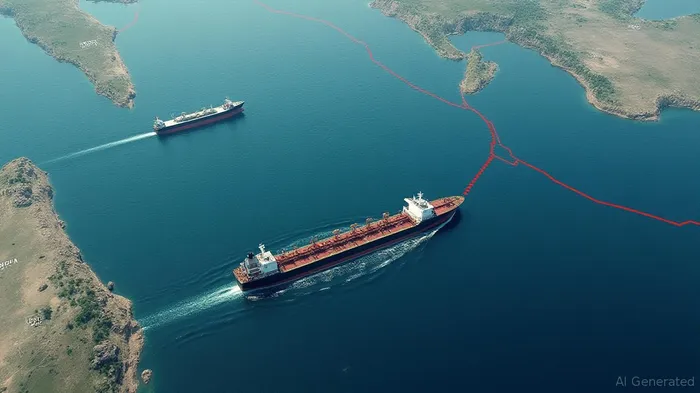
The Strait of Hormuz, through which 20% of global oil flows, remains the region's Achilles' heel. While Iran has refrained from closing it outright, its threats amplify market anxiety. Meanwhile, U.S. policy shifts—such as Trump's greenlight for China to buy Iranian oil—have temporarily eased supply fears, but geopolitical unpredictability persists.
OPEC+'s spare capacity (up to 2.5 million barrels/day) offers a buffer, yet its ability to offset a sudden disruption hinges on political will. The U.S. Strategic Petroleum Reserve (402.5 million barrels) could provide short-term relief, but refilling it would cost billions—a fiscal stretch amid Trump's re-election priorities.
Strategic Opportunities: Upstream Winners and Hedging Tools
The energy sector's winners in this environment are clear:
1. Upstream Firms with Low Breakeven Costs: Companies like Chevron (CVX) and ExxonMobil (XOM), with production costs under $30/barrel, profit as prices rise. Their Middle East-focused operations (e.g., Chevron's partnership with Saudi Aramco) position them to capitalize on supply shocks.
2. Midstream Infrastructure Plays: Firms like Enbridge (ENB) and Enterprise Products Partners (EPD), which own pipelines and terminals outside conflict zones, offer steady income streams insulated from geopolitical swings.
3. Oil Services Hedges: Halliburton (HAL) and Baker Hughes (BKR) benefit as producers rush to drill in stable regions, hedging against Middle East instability.
Investment Playbook: Positioning for Volatility
- Overweight Energy Equities: Allocate 5–7% of a diversified portfolio to energy stocks, favoring those with Middle East exposure. The Energy Select Sector SPDR Fund (XLE) offers broad exposure, but individual stocks like CVXCVX-- and BKR provide targeted upside.
- Leverage Options Markets: Buy call options on oil ETFs (e.g., USO) to profit from price spikes without full equity risk.
- Short-Term Volatility Funds: Consider inverse ETFs like DWTI for short-term dips caused by ceasefire optimism, then pivot to long positions as risks resurface.
- Diversify Geographically: Pair Middle East-exposed firms with North American shale players (e.g., Pioneer Natural Resources (PVLA)) to balance supply disruption risks with U.S. production flexibility.
The Bottom Line: Profit in the Storm, but Stay Alert
The Israel-Iran conflict is a geopolitical seesaw—every ceasefire is a pause, not a resolution. For investors, this means staying nimble. While short-term volatility may test nerves, the long-term outlook favors energy assets. Companies with low-cost production, hedging strategies, and exposure to stable regions will outperform.
As markets have shown repeatedly, fear of supply shocks drives prices higher—whether or not those shocks materialize. Investors who act now, with a mix of equity exposure and tactical hedges, can turn this geopolitical maelstrom into a profit engine.
Harriet Clarfelt
June 19, 2025

Stay ahead of the market.
Get curated U.S. market news, insights and key dates delivered to your inbox.
AInvest
PRO
AInvest
PRO



Comments
No comments yet