
Strategic Energy Plays Amid Geopolitical Volatility: Opportunities in Refined Products Amid Crude Oil Market Disconnect
The global energy market in June 2025 is a study in contrasts. Crude oil futures have drifted lower, pressured by oversupply concerns and geopolitical détentes, while gasoline prices remain stubbornly elevated. This divergence—driven by robust refinery margins, geopolitical risks, and seasonal demand dynamics—creates a compelling opportunity to pivot toward downstream energy sectors.
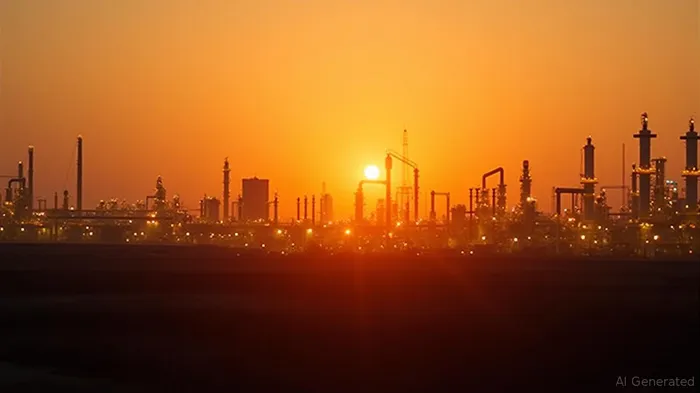
The Divergence: Crude Prices Fall, Gasoline Holds Steady
As of early June 2025, WTI crudeWTI-- traded near $74/barrel, down from a January high of $82/barrel, while gasoline prices remained elevated at $2.33/gallon. This disconnect is rooted in refinery crack spreads—the profit margin refineries make by converting crude into refined products like gasoline and diesel.
In Q1 2025, crack spreads for gasoline averaged $24/barrel, up from a five-year average of $18/barrel. Despite a temporary dip in March, margins rebounded as refineries optimized output ahead of the summer driving season. Meanwhile, the contango market structure—where future crude contracts trade at a premium to spot prices—has penalized crude storage but boosted refining margins, as refineries benefit from buying cheap spot crude and selling refined products at higher forward prices.
Geopolitical Volatility Fuels Refining Resilience
The June 2025 flare-up between Iran and Israel—marked by missile strikes on Qatar's Al Udeid Air Base and U.S. retaliation against Iranian nuclear sites—highlighted the fragility of Middle Eastern energy supply chains. While crude prices initially dipped on hopes of restraint, the threat of disruption to the Strait of Hormuz (handling 20% of global oil trade) kept a risk premium embedded in gasoline prices.
Analysts estimate geopolitical risks add $5–15/barrel to crude prices, but this volatility disproportionately benefits refineries. Their ability to process crude into higher-priced refined products insulates them from crude's downside while capturing upside from demand-driven gasoline prices.
Investment Opportunities in Downstream Energy
1. Refiners: The Sweet Spot of Margin Expansion
Companies like Exxon Mobil (XOM) and Chevron (CVX) are prime plays on strong crack spreads. Both have integrated refining and marketing assets, allowing them to capitalize on widening margins.
Exxon's stock has outperformed crude prices in 2025, reflecting its exposure to refining margins.
2. ETFs Tracking Refined Products
- U.S. Refining ETF (USOIL): Tracks companies focused on refining and marketing, offering diversified exposure to the sector.
- Short Crude ETFs (SCO): Pair with refiner stocks to hedge against crude price declines. For example, shorting SCO while holding XOM could amplify returns if crude falls and crack spreads widen.
3. Geographically Positioned Refineries
West Coast refineries, such as those owned by Phillips 66 (PSX), benefit from regional supply constraints. The EIA projects West Coast gasoline prices to rise by 4% in 2026 due to refinery closures, creating a localized premium.
Risks and Considerations
- Seasonality: Gasoline demand peaks in summer, but hurricane season (June–November) could disrupt Gulf Coast operations, adding volatility.
- Energy Transition: Advances in EV battery tech (e.g., a molecule enabling 11,818-cycle longevity) threaten long-term oil demand. However, refined products like diesel and jet fuel remain resilient, offering a buffer.
Conclusion: Position for the Refining Rebound
The current divergence between crude and refined products is a tactical advantage for investors. With geopolitical risks and seasonal demand supporting gasoline prices, and contango favoring refineries, downstream energy stocks and ETFs are poised to outperform.
Recommendations:
- Buy Exxon Mobil (XOM) and Chevron (CVX) for their refining exposure.
- Add USOIL to a portfolio for sector diversification.
- Short SCO to hedge against crude declines while maintaining long refiner positions.
The energy market's next chapter will be written not by crude's volatility but by the resilience of those turning it into value.
High refinery utilization and falling gasoline inventories signal strong demand, supporting margin expansion.

Stay ahead of the market.
Get curated U.S. market news, insights and key dates delivered to your inbox.
AInvest
PRO
AInvest
PRO



Comments
No comments yet