
Strategic Ecosystems and Brand Resilience: Navigating Retail Vulnerability in the Health and Beauty Sector


 Aime Summary
The collapse of Bodycare, a 55-year-old UK health and beauty retailer, is not just a cautionary tale—it's a case study in the fragility of traditional retail models. As insolvency looms for the chain, , the broader health and beauty industry must confront a critical question: How do brands build resilience in an era of digital disruption, , and shifting ?
The Bodycare Collapse: A Symptom of Systemic Weakness
Bodycare's struggles are emblematic of a sector in flux. Once a profitable staple of British high streets, the company has hemorrhaged millions since the pandemic, . Its failure stems from a misalignment with modern retail realities:
- : Budget retailers like B&M and Home Bargains now offer affordable beauty products, while supermarkets leverage scale to undercut prices.
- : E-commerce has eroded high-street footfall, .
- : The rise of fragrance “dupes” (non-branded imitations of luxury scents) has devalued Bodycare's mass-market offerings, particularly in the lucrative fragrance category.
- : Rising rents, stagnant customer traffic, and a lack of omnichannel integration left the brand unable to adapt to post-pandemic consumer behavior.
The Resilience Playbook: Lessons from the Sector's Winners
While Bodycare's story is bleak, other health and beauty firms have thrived by building robust strategic ecosystems. These companies prioritize , , and —three pillars that define brand resilience.
1. : The Power of Personalization and Gamification
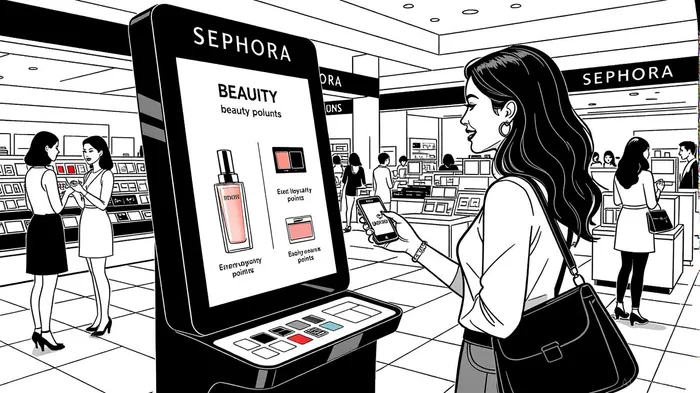
Sephora's Beauty Insider program, with 17 million members, . By leveraging AI-driven personalization and gamified rewards (e.g., bonus point events), the brand turns one-time buyers into lifelong advocates. Its omnichannel model—where rewards are seamlessly redeemable across in-store, online, and app—creates a sticky experience.
2. : Monetizing Loyalty at Scale
. The brand's co-branded credit card and tiered rewards system not only incentivize repeat purchases but also deepen financial integration with customers. Ulta's ability to blend physical retail (with in-store services like nail salons) and digital (via a robust app) exemplifies the “phygital” model.
3. : Value-Driven Retention
The Body Shop's “Love Your Body” program aligns with consumer demand for sustainability and ethical consumption. By offering eco-friendly rewards (e.g., reusable packaging discounts), the brand fosters emotional loyalty. Its omnichannel approach ensures that values are consistently communicated across touchpoints.
Investment Opportunities: Where to Allocate Capital
For investors, the key is to identify firms that have . Here's a breakdown of opportunities:
A.
- Sephora (owned by LVMH).
- Ulta Beauty (NASDAQ: ULTA), Ulta's hybrid model is a hedge against high-street volatility.
B.
- The Body Shop (L'Oréal Group): As consumers prioritize ethical consumption, its value-based loyalty program and eco-friendly product lines offer long-term growth.
C.
- Lancôme (L'Oréal Group): Its high-touch loyalty program, combined with AI-driven personalization, ensures premium pricing power in a competitive market.
The Road Ahead: Strategic Imperatives for Investors
The collapse of Bodycare underscores a universal truth: retail is no longer about products—it's about ecosystems. Brands that succeed will be those that:
- Embrace (e.g., AI, mobile apps, AR/VR try-ons).
- Build through tiered rewards and value alignment.
- (e.g., in-store services, subscription models).
For investors, the lesson is clear: avoid brands clinging to legacy models and instead back those that have reimagined retail as a dynamic, customer-centric experience. , the innovative, and the resilient.
In the end, Bodycare's fate is not a death knell for the sector—it's a call to action. The winners will be those who treat retail not as a transaction, but as a relationship.

Stay ahead of the market.
Get curated U.S. market news, insights and key dates delivered to your inbox.
AInvest
PRO
AInvest
PRO



Comments
No comments yet