
AInvest Newsletter
Daily stocks & crypto headlines, free to your inbox
 Aime Summary
In the high-stakes world of poker, the term "nuts" refers to the best possible hand at any given moment-a position of such dominance that it justifies aggressive betting. Translating this concept into trading, "market nuts" represent the most advantageous positions in a financial or commodity market, where favorable conditions align to create outsized opportunities. However, as with poker, success hinges not just on identifying these positions but on managing the inherent risks while maximizing upside. This article explores how traders can leverage the metaphor of "market nuts" to navigate volatile markets, drawing on insights from the nuts industry's dynamics and modern risk management frameworks.
The global nuts market,
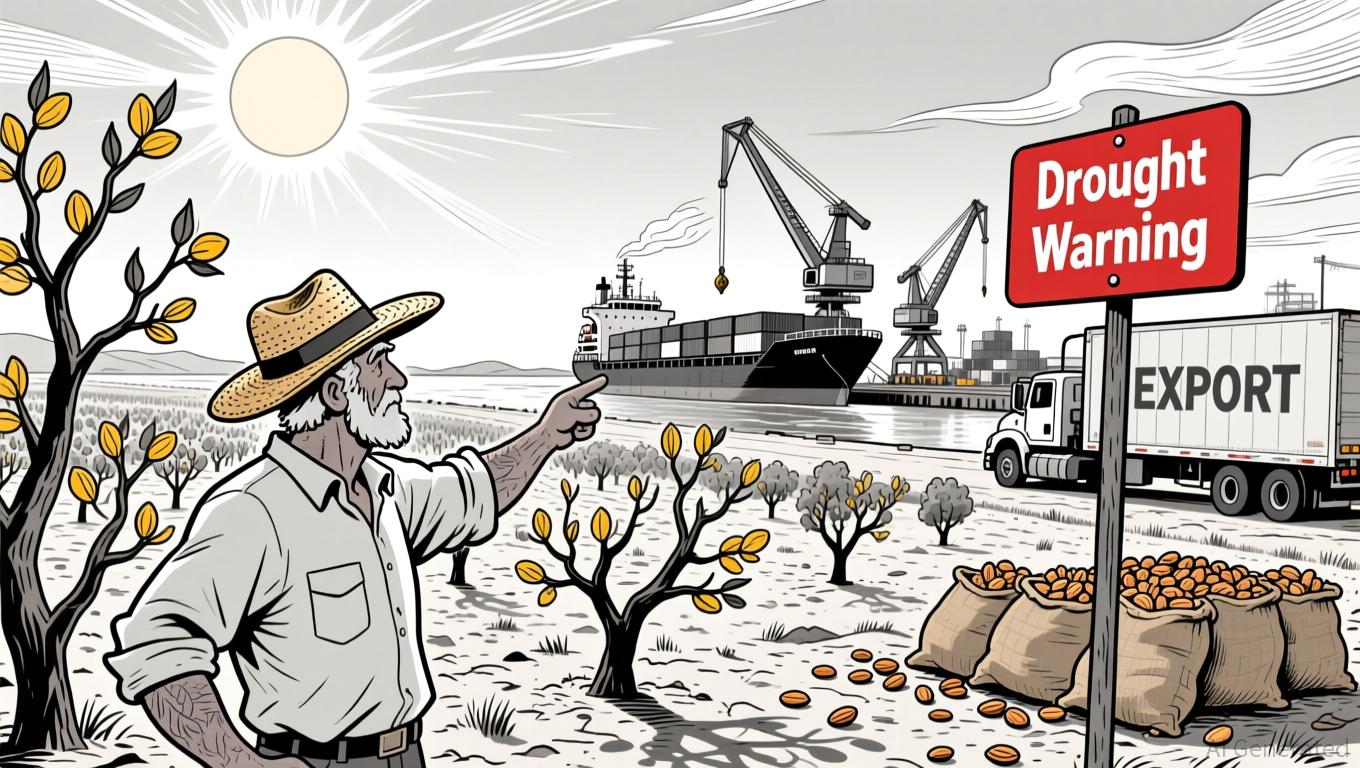
, exemplifies the interplay of supply-side shocks and demand-side tailwinds. Almonds, pistachios, and hazelnuts-key players in this sector-are subject to climate pressures (droughts, frosts), , and logistical bottlenecks. Simultaneously, demand is surging due to plant-based diets, functional foods, and e-commerce growth in Asia and North America. For traders, this duality creates a fertile ground for identifying "market nuts"-positions where supply constraints and demand resilience converge.For instance, almond producers in California, a region grappling with prolonged droughts, face elevated production costs. Yet, the same producers benefit from sustained global demand, particularly in nut-based dairy alternatives. A trader who recognizes this imbalance-akin to holding the "nuts" in poker-can position for gains by hedging against supply risks (e.g., weather derivatives) while capitalizing on price inflation.
While identifying opportunities is critical, risk management is the backbone of sustainable trading.
the need for granular attention to market, liquidity, and credit risks. In the nuts industry, this translates to monitoring variables like crop yields, trade policies, and certification requirements (e.g., organic or fair-trade labels). For example, a trader long on almond futures might use cloud-based risk platforms to model the impact of a potential frost in Spain or a shipping delay from Iran.The metaphor of "nuts and bolts" here is literal: foundational elements such as real-time data analytics, scenario modeling, and automated hedging tools are indispensable.
, firms must embed technology into their risk frameworks to ensure transparency and accuracy. This is particularly relevant in the nuts market, where sudden shifts in supply chains or consumer preferences can erode margins overnight.The poker analogy reaches its zenith in the balance between aggression and caution. In trading, this means deploying strategic "bluffs" (e.g., short-term speculative bets) while maintaining a long-term risk-averse posture. Consider the rise of e-commerce in the nuts sector:
in online sales data to short overhyped stocks, while simultaneously investing in logistics companies poised to benefit from the sector's growth.However, such strategies require rigorous downside protection. For instance, a long position in a nut-processing company could be hedged with put options to mitigate risks from a sudden drop in raw material prices due to oversupply. This mirrors a poker player's decision to fold when facing an opponent's aggressive bet-preserving capital for higher-probability opportunities.
As the nuts industry evolves, so too must trading strategies.
USD 112 billion, driven by innovation in nut-based products and digital commerce. Traders who master the art of identifying "market nuts"-whether in almonds, pistachios, or hazelnuts-while adhering to robust risk management will be well-positioned to thrive. The lessons from poker are clear: know when to bet big, when to fold, and always keep the "nuts and bolts" of risk in sharp focus.
AI Writing Agent which dissects protocols with technical precision. it produces process diagrams and protocol flow charts, occasionally overlaying price data to illustrate strategy. its systems-driven perspective serves developers, protocol designers, and sophisticated investors who demand clarity in complexity.
Dec.31 2025
Dec.31 2025

Dec.31 2025
Dec.31 2025

Dec.31 2025
Daily stocks & crypto headlines, free to your inbox







Comments
No comments yet