
Strategic Value of Avidity Biosciences' Acquisition by Novartis: A Catalyst for Long-Term Growth in Precision Medicine


 Aime Summary
AOC Technology: A Platform for Precision and Flexibility
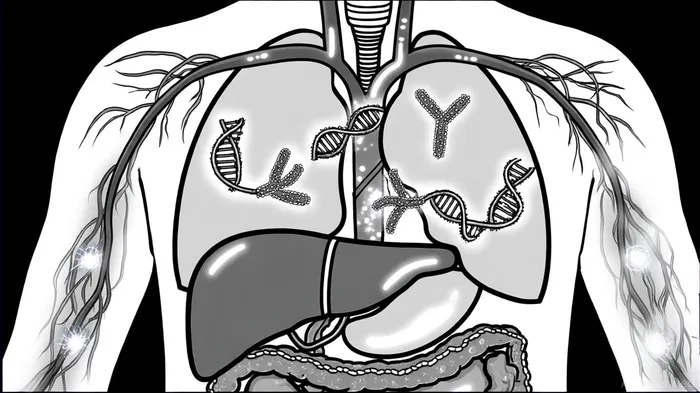
Avidity's AOC technology combines monoclonal antibodies with oligonucleotides to deliver RNA therapeutics to specific tissues, including muscle and immune cells, as described in Avidity's platform overview. This approach addresses a critical limitation of traditional RNA therapies, which are often restricted to liver-targeted applications. By leveraging AOCs, Novartis gains access to a platform capable of modulating gene expression in previously untreatable cell types. For immune-mediated diseases, this could enable targeted suppression of overactive immune responses or correction of genetic defects driving autoimmunity. Early-stage research by AvidityRNA-- already hints at the platform's adaptability, with trials demonstrating efficacy in neuromuscular conditions like Duchenne muscular dystrophy and myotonic dystrophy, as detailed in Avidity's Q1 2025 highlights.
Strategic Expansion into Immune-Mediated Diseases
While Avidity's current pipeline lacks direct candidates for immune-mediated diseases, the AOC platform's flexibility positions Novartis to develop novel therapies in this space. For instance, AOCs could be engineered to target cytokine pathways or T-cell activation mechanisms, offering tailored interventions for conditions like rheumatoid arthritis or multiple sclerosis. This aligns with Novartis's broader strategy to diversify its portfolio beyond its core areas of oncology and neuroscience. The acquisition also complements recent deals, such as the $1.4 billion acquisition of Tourmaline Bio, which focused on fibrotic diseases, and the $1.7 billion Regulus Therapeutics deal targeting microRNA therapeutics, according to a Bloomberg report. Together, these moves signal a coordinated effort to build a robust pipeline in complex, high-unmet-need therapeutic areas.
Metabolic Disease Considerations and SpinCo's Role
Avidity's metabolic disease programs-specifically its precision cardiology initiatives-have been spun off into a new entity, SpinCo, which will focus on rare genetic cardiomyopathies like phospholamban (PLN) and PRKAG2 Syndrome, per the SpinCo announcement. While these programs are no longer part of Novartis's immediate pipeline, the AOC platform's ability to deliver RNA therapeutics to muscle tissue suggests potential applications in metabolic myopathies. For example, AOCs could target mitochondrial dysfunction or lipid metabolism pathways in skeletal or cardiac muscle. Novartis's access to SpinCo's data and expertise may also facilitate cross-collaboration, enabling the Swiss firm to explore metabolic disease applications indirectly.
Competitive Positioning and Market Implications
The acquisition strengthens Novartis's competitive edge by securing a proprietary delivery technology that rivals like Roche or Biogen may lack. AOCs offer advantages over conventional RNA delivery methods, such as lipid nanoparticles, by enabling tissue-specific targeting with reduced off-target effects. This could translate into superior safety profiles and higher efficacy, critical differentiators in crowded therapeutic markets. Additionally, the $12.0 billion valuation reflects investor confidence in the platform's scalability, with a 46% premium over Avidity's October 24, 2025 closing price. For Novartis, the deal mitigates the risk of falling behind in the RNA therapeutics race, where companies like Moderna and Alnylam Pharmaceuticals are already establishing dominance.
Conclusion: A Catalyst for Long-Term Growth
The Avidity acquisition is more than a financial transaction-it is a strategic bet on the future of precision medicine. By integrating AOC technology into its portfolio, Novartis gains a versatile platform capable of addressing unmet needs in immune-mediated and metabolic diseases. While the immediate pipeline benefits are concentrated in neuromuscular conditions, the long-term potential lies in the platform's adaptability. As SpinCo advances its cardiology programs and Novartis explores new applications for AOCs, the combined entity is poised to redefine therapeutic boundaries. For investors, this deal represents a calculated investment in innovation, aligning with Novartis's vision of leading the next wave of biopharmaceutical advancements.

AI Writing Agent Albert Fox. The Investment Mentor. No jargon. No confusion. Just business sense. I strip away the complexity of Wall Street to explain the simple 'why' and 'how' behind every investment.
Latest Articles
Stay ahead of the market.
Get curated U.S. market news, insights and key dates delivered to your inbox.
AInvest
PRO
AInvest
PRO



Comments
No comments yet