
Strait Talk: How Iran's Hormuz Threat Could Shake the Oil Market—and How to Play It
The Strait of Hormuz isn't just a waterway—it's the world's most critical energy artery. And right now, it's at the center of a geopolitical firestorm. Iran's parliament has voted to back shutting down this chokepoint, which handles 20% of global oil trade, in retaliation for U.S. airstrikes on its nuclear facilities. But here's the thing: This isn't just a political stunt. If executed, it could send oil prices soaring, disrupt global supply chains, and create opportunities for savvy investors to profit—or protect themselves from chaos.
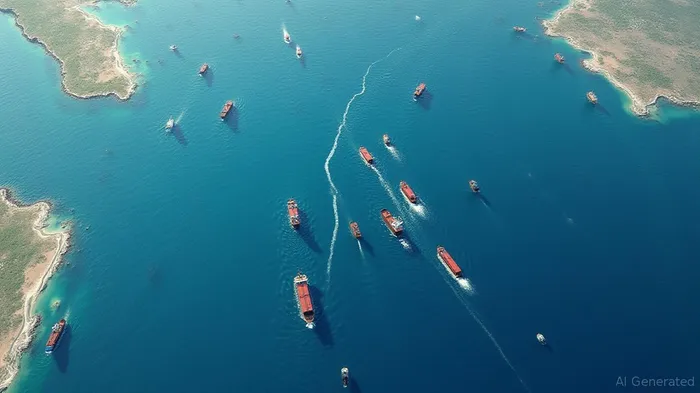
The Strait's Strategic Power—and Its Vulnerabilities
The Strait of Hormuz is only 21 miles wide at its narrowest point, with shipping lanes less than two miles wide. Every day, 20 million barrels of oil—enough to fuel the planet's cars, ships, and refineries—flow through this bottleneck. Saudi Arabia, Iraq, and Iran all rely on it to export crude, while China, India, and Japan depend on it for 80% of their oil imports.
But here's the catch: Iran can weaponize this dependency. Its Revolutionary Guard has tested tactics like naval mines, swarm attacks by fast boats, and cyber strikes on tankers. Yet, experts like VandaVNDA-- Hari of Vanda Insights call a full closure “absolutely minimalistic,” noting Iran's self-defeating calculus. Closing Hormuz would cripple its own oil exports—80% of which go to China—and invite overwhelming U.S. military retaliation.
Still, even a partial disruption could roil markets. Analysts at Goldman Sachs warn prices could spike to $110 per barrel if flows drop 50% for a month. Brent crude is already hovering near $80 as investors brace for volatility.
How to Play the Geopolitical Jitters
Investors shouldn't panic—but they should prepare. Here's how to position your portfolio:
1. Buy Oil Futures (USO) or ETFs for Short-Term Gains
If tensions escalate, oil prices will rocket. The United States Oil Fund (USO), which tracks WTI crude, offers direct exposure. But tread carefully: A resolution could see prices crash back down.
2. Dive into Defensive Energy Plays
Companies with diverse energy assets or exposure to non-Hormuz regions will thrive. Consider:
- Chevron (CVX) and Exxon (XOM): Both have global operations and are well-positioned if prices rise.
- NextEra Energy (NEE): A long-term play on renewables, which could gain traction if energy volatility pushes governments toward clean alternatives.
3. Hedge with Gold (GLD) or Treasuries
Geopolitical uncertainty is a goldmine for safe havens. The SPDR Gold Shares (GLD) ETF offers a hedge against inflation and market chaos.
4. Avoid Shipping Stocks—For Now
Companies like Maersk (MAERSK) or tanker operators like Teekay (TK) could suffer if rerouting costs soar. Wait until the dust settles before buying.
Historical Precedents and Why This Might Not Go Nuclear
Iran has never fully closed Hormuz, even during the Iran-Iraq War. In 2024, it seized an Israel-linked tanker but stopped short of total disruption. Similarly, Houthi attacks in the Red Sea have caused temporary spikes but not systemic collapse.
The takeaway? Iran is likely bluffing—but markets will overreact. That creates buying opportunities in beaten-down energy stocks or shorting overhyped alternatives.
What's on the Horizon?
- Watch for China's Move: As Iran's top oil buyer, China could pressure Tehran to stay open.
- U.S. Military Posture: The Fifth Fleet's readiness to counter Iranian tactics is a key stabilizer.
- Alternative Routes: Saudi Arabia's 2.6-million-barrel/day pipeline is a backup—but only a fraction of Hormuz's capacity.
Action Items for Your Portfolio
- Rebalance Energy Exposure: Shift toward diversified oil majors and away from pure-play oil services firms.
- Add a 5-10% Allocation to Gold: A hedge against the unknown.
- Stay Short-Term on Shipping: Wait for clarity on Hormuz's fate before investing.
Final Take: This Isn't the Next Oil Crisis—Yet
While Iran's threat is real, its self-interest likely keeps Hormuz open. But markets hate uncertainty, and that means volatility is here to stay. Use this to buy dips in energy stocks, protect with gold, and keep a close eye on China's next move.
In the end, the Strait of Hormuz is a reminder: Geopolitics is the ultimate wild card. Play it smart, and you'll profit.
Data as of June 19, 2025. Past performance does not guarantee future results. Consult your financial advisor before making investment decisions.

Stay ahead of the market.
Get curated U.S. market news, insights and key dates delivered to your inbox.


AInvest
PRO
AInvest
PRO



Comments
No comments yet