
Strait of Hormuz Tensions: A Geopolitical Flashpoint for Energy Markets
The Strait of Hormuz, a narrow waterway connecting the Persian Gulf to the Arabian Sea, has long been one of the world's most critical energy chokepoints. With roughly 20% of global oil supply transiting through it daily, any disruption here sends shockwaves through global markets. Recent military escalation between Iran and U.S./Israeli forces has reignited fears of a full-blown conflict that could choke off oil flows. Investors must treat this as a clear and present risk—and position portfolios accordingly.
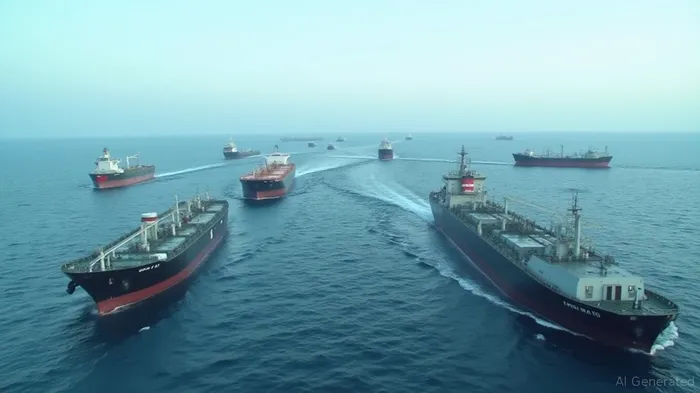
The Geopolitical Tinderbox Ignites
Over the past month, U.S. and Israeli operations have intensified, targeting Iranian nuclear facilities and military infrastructure. The U.S. launched Operation Midnight Hammer, deploying B-2 bombers and Tomahawk missiles to strike nuclear sites like Fordo and Natanz. Iran retaliated with missile volleys at Israeli cities and U.S. bases in Qatar, though most were intercepted. The rhetoric has grown bellicose: Iran's Supreme Leader vowed “strong responses,” while President Trump claimed the strikes “totally obliterated” Iran's nuclear ambitions—a claim Pentagon officials temper as overblown.
The critical wildcard remains Iran's threat to block the Strait of Hormuz. Analysts warn this could spike oil prices to $100 per barrel or higher, with prolonged closures risking a global supply crunch. Asian markets have already reacted: Japan's Nikkei fell sharply, and China's Shanghai Composite dipped 2% last week amid fears of disrupted crude imports.
Why This Matters for Energy Markets
The Strait's strategic importance cannot be overstated. A closure would force tankers to divert via the Cape of Good Hope, adding weeks to transit times and $20+ per barrel in costs. This would:
1. Spur oil price volatility: Even threats of disruption have historically moved prices—witness the 10% spike in June as tensions flared.
2. Disrupt global supply chains: Manufacturers reliant on Middle Eastern crude (e.g., Japan, South Korea) face higher input costs, squeezing profit margins.
3. Test OPEC+'s response: Saudi Arabia and the UAE might ramp up production, but their spare capacity is limited, and infrastructure bottlenecks could delay relief.
Investment Implications: Hedging Against Supply Shocks
With geopolitical risk elevated, investors should consider upstream oil & gas equities or ETFs as a hedge against supply disruption. These assets typically outperform when crude prices rise due to physical shortages, not just speculative moves.
Recommendations:
- ETFs: The Energy Select Sector SPDR Fund (XLE) tracks U.S. oil & gas majors like ChevronCVX-- (CVX) and ExxonXOM-- (XOM), offering broad exposure. Alternatively, the VanEck Oil ETF (OIL) provides more direct crude price sensitivity.
- Equities: Focused upstream players like Devon Energy (DVN) or Pioneer Natural Resources (PXD) benefit from higher oil prices without the added risks of refining or retail operations.
- Avoid: Downstream players (e.g., refining, LNG exports) may struggle if demand growth stalls amid economic fallout from energy inflation.
The Bottom Line
The Strait of Hormuz is no longer a hypothetical risk—it's an active flashpoint. With military brinkmanship at its peak, the probability of a supply-disrupting conflict is unacceptably high. Investors ignoring this risk are playing with fire. Allocating 5-10% of a portfolio to energy equities now could provide critical downside protection if tensions escalate.
Final Note: Monitor Iranian retaliation closely. A full closure of the Strait would likely trigger a coordinated international response (e.g., NATO naval patrols), but the initial shock could last weeks. Stay nimble—this is a risk to hedge against, not bet on.
Ben Levisohn's analysis focuses on actionable insights at the intersection of geopolitics and markets. For further updates, follow @BenLevisohn on Twitter.

Stay ahead of the market.
Get curated U.S. market news, insights and key dates delivered to your inbox.
AInvest
PRO
AInvest
PRO



Comments
No comments yet