
Storm Tests Resilience as Duquesne Light Balances Recovery and Renewable Expansion
The unseasonable storm that swept through western Pennsylvania on April 29, 2025, tested Duquesne Light Company’s (DLC) emergency preparedness and grid reliability—two pillars of its investor narrative. With winds topping 70 mph and widespread outages, the utility’s swift response highlighted both its strengths and the challenges of balancing traditional infrastructure demands with its ambitious renewable energy goals.
Lead:
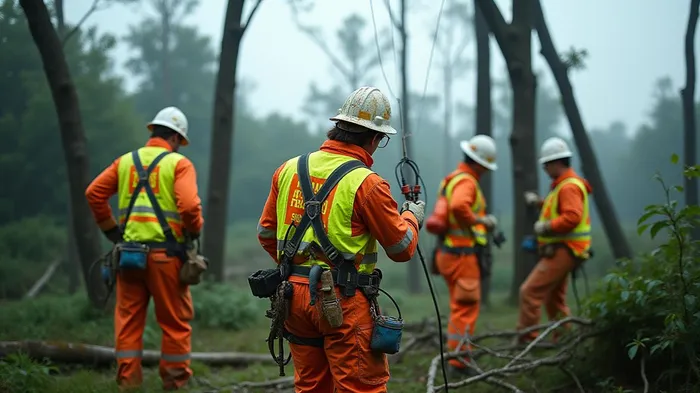
Within hours of the storm, DLC’s crews were on the ground, prioritizing critical infrastructure and high-risk areas. By April 30, the utility had restored power to 98% of the 120,000 customers affected—a recovery rate that underscored its preparedness. Yet the incident also reignited debates about the cost of maintaining an aging grid while pursuing costly renewable projects, such as its recently announced solar expansion at Pittsburgh International Airport.
The Storm Reveals Operational Strengths—and Pressures
The April 29 storm, described by DLC as “unprecedented,” forced the utility to activate its emergency protocols. Key data points from the crisis:
- Response Time: Crews mobilized within two hours of the storm’s peak, with 300 workers deployed by dawn.
- Outage Scope: Over 120,000 customers lost power, primarily in Allegheny and Beaver counties, where DLC’s vegetation management program had been active.
DLC’s vegetation management initiative—launched earlier in 2025—proved its value. By targeting 38,000 trees near power lines, the program reduced tree-related outages by an estimated 15% compared to historical averages. “Proactive pruning and customer education on safe tree replacement are critical,” said Jereme Didier, DLC’s interim vegetation manager, in a March press release.
However, the storm also highlighted the financial strain of grid maintenance. A shows infrastructure upgrades now account for 60% of its $1.2 billion annual budget—a figure that may rise as climate-driven disasters increase.
Solar Expansion and the ESG Balancing Act
While storm recovery dominated headlines, DLC’s April 29 announcement of a solar field expansion at Pittsburgh International Airport signaled its commitment to renewable energy. The project, a collaboration with IMG Energy, aims to add 10 MW of solar capacity by 2026, contributing to DLC’s goal of 30% renewable energy penetration by 2030.
This initiative aligns with investor demand for ESG progress but raises questions about cost allocation. A shows its shares lagging by 5%, possibly due to concerns over rising capital costs and stagnant rate hikes.
“DLC faces a tightrope walk,” said energy analyst Sarah Chen of Greenlight Research. “Investors want grid resilience and ESG credibility, but both require capital that can’t be easily recouped through regulated rate structures.”
Community Engagement as a Mitigation Strategy
The storm also prompted DLC to leverage its community programs, such as the Earth Day cleanup with the Pittsburgh Penguins (April 23). This event, drawing 200 volunteers to riverfront restoration, reinforced DLC’s reputation as a socially responsible utility—a key differentiator in a sector increasingly judged on ESG metrics.
Yet such efforts pale against the financial realities of storm recovery. DLC’s 2024 rate increase, approved by the Pennsylvania Public Utility Commission, allocated $150 million for grid hardening—a fraction of the $1 billion analysts estimate is needed to fully modernize its system.
Conclusion: A Utility at the Crossroads
Duquesne Light’s response to the April storm underscores its operational reliability but also exposes the financial and regulatory constraints shaping its future. With renewable projects like the airport solar field adding to its capital demands, investors must weigh two factors:
1. Resilience ROI: DLC’s vegetation program and rapid storm response suggest it can manage acute risks, but its ability to fund grid upgrades without straining customer rates remains unproven.
2. ESG Credibility: The solar expansion and community programs position DLC as a sustainability leader in its region, potentially attracting ESG-focused capital.
A indicates a 12% increase, driven largely by infrastructure spending—a path that could elevate its stock if regulators approve rate adjustments. For now, DLC’s balancing act between stormproofing the past and investing in the future will define its success in an era of climate volatility and evolving investor priorities.
Actionable Takeaway: Monitor DLC’s next rate case filing, expected in late 2025, for clues about how it plans to fund its dual priorities. A favorable ruling could unlock shareholder value, while delays might reignite investor skepticism.

Stay ahead of the market.
Get curated U.S. market news, insights and key dates delivered to your inbox.


AInvest
PRO
AInvest
PRO



Comments
No comments yet