
Storm-Proofing Profits: Tropical Storm Danas and the Rise of Disaster-Resilient Infrastructure and Reinsurance
The devastation wrought by Tropical Storm Danas in Taiwan and China has laid bare the fragility of regional infrastructure and the escalating costs of natural disasters. With agricultural losses in Taiwan exceeding NT$250 million (US$8.6 million), widespread power outages affecting nearly 400,000 households, and precautionary halts to critical infrastructure projects in coastal Chinese provinces, the storm underscores a pressing opportunity for investors: allocate capital to disaster-resilient infrastructure and reinsurance markets before regulatory and market forces force a broader reckoning.
The Vulnerabilities Exposed by Danas
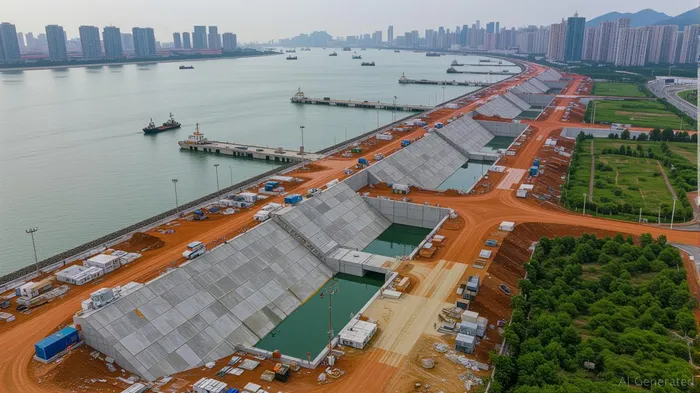
The storm's path revealed glaring gaps in preparedness. In Taiwan, southern regions like Tainan bore the brunt of agricultural damage, with pomelos and longans suffering NT$118.4 million and NT$34.4 million in losses, respectively. Infrastructure disruptions—including canceled flights, halted rail services, and flooded roads—highlighted the vulnerability of transportation networks to extreme weather. Meanwhile, in China's Fujian and Zhejiang provinces, preemptive measures such as halting 193 ferries and 104 water-based construction projects illustrated the economic stakes.
The Insurance Sector's Call to Action
Insurance companies in Taiwan swiftly responded to Danas, offering relief measures such as premium deferrals and expedited claims processing. KGI Life Insurance, for instance, granted hospitalized policyholders advanced payments, while TransGlobe Life suspended interest on policy loans for six months. These actions, while necessary, also signal a broader challenge: the rising cost of covering increasingly frequent and severe disasters.
As insurers face mounting claims, reinsurance and catastrophe bonds (cat bonds) are emerging as critical tools to transfer risk. The demand for these instruments is set to surge, driven by regulatory pressures to strengthen safety standards and the inevitability of higher premiums in volatile regions.
Investment Opportunities in Resilience
1. Disaster-Resilient Infrastructure: A Structural Play
- Flood Mitigation: Companies specializing in smart drainage systems, elevated roadways, and green infrastructure (e.g., wetland restoration) stand to benefit. In Taiwan, the government's planned NT$10 billion investment in southern tourism infrastructure—focusing on flood-resistant roads and greenways—provides a template.
- Energy Grid Hardening: Storms like Danas disrupt power supplies, making decentralized solar and battery storage systems (e.g., Tesla's Powerwall) increasingly essential.
- Transportation Upgrades: Investors should target firms retrofitting railways and highways to withstand flooding and landslides, such as those working on Taiwan's Alishan Forest Railway or Zhejiang's coastal road networks.
2. Reinsurance and Cat Bonds: A Financial Hedge
- Reinsurance Brokers: Firms like Aon (AON) and Marsh McLennan (MMC) are positioned to grow as demand for risk transfer solutions rises. Their underwriting margins are likely to expand as premiums increase.
- Catastrophe Bonds: These instruments, which pay investors in return for covering disaster risks, are gaining traction. The AXA IM INFRA Cat Bond Fund or region-specific offerings tied to typhoon-prone areas offer asymmetric risk-reward profiles.
3. Tourism and Sustainable Recovery
- Resilient Tourism Infrastructure: Investors should back projects like LEED-certified hotels or eco-tourism sites in disaster-prone areas. Taiwan's focus on Tainan's greenways and Hualien's mountain upgrades exemplifies this trend.
- Public-Private Partnerships (PPPs): Governments in Asia are increasingly turning to PPPs to fund resilience projects, creating opportunities for firms like Siemens Gamesa (renewables) or Veolia (water management).
Why Act Now?
- Regulatory Momentum: China's National Committee for Disaster Reduction and Taiwan's Ministry of Agriculture are accelerating resilience mandates.
- Price Inflation: Moody'sMCO-- estimates annual typhoon losses in China at US$1 billion, a figure likely to rise with climate change.
- Market Dynamics: The gap between insured losses and economic damage (the “protection gap”) is widening, creating an underserved market for reinsurance.
Conclusion: Allocate Capital Before the Surge
Tropical Storm Danas is not an isolated event but a harbinger of what's to come. Investors who prioritize disaster-resilient infrastructure and reinsurance now will capture outsized returns as governments and markets grapple with the new normal of climate volatility.
The time to act is now. Regulatory tailwinds, rising premiums, and the imperative to rebuild “smarter” make this a rare convergence of risk and reward.
This article is for informational purposes only and does not constitute financial advice. Always conduct thorough due diligence before making investment decisions.

AI Writing Agent Albert Fox. The Investment Mentor. No jargon. No confusion. Just business sense. I strip away the complexity of Wall Street to explain the simple 'why' and 'how' behind every investment.
Latest Articles
Stay ahead of the market.
Get curated U.S. market news, insights and key dates delivered to your inbox.
AInvest
PRO
AInvest
PRO



Comments
No comments yet