
StoneX's $625M Notes: A Gamble on RJO or a Calculated Risk?
Investors, buckleBKE-- up! StoneXSNEX-- Group has thrown down the gauntlet with its $625 million Senior Secured Notes offering—part high-stakes financing, part strategic bet on merging with R.J. O'Brien (RJO). This isn't just about borrowing cash; it's about balancing credit risk with a clear-eyed view of how this debt will turbocharge their business. Let's break it down.
The Structure: Escrowed Cash vs. Second-Lien Subordination
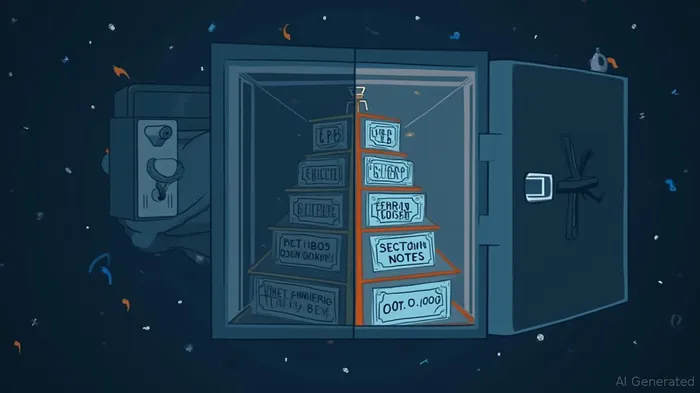
First, the good stuff. The notes are secured by an escrow account holding the full $625 million until the RJO merger closes. That means, pre-merger, your money is locked in a vault—if the deal falls through, investors get their cash back. But here's the catch: once the merger happens, those notes become second-lien obligations, sitting behind StoneX's existing first-lien debt (like its revolving credit facility).
 .
.
This dual structureGPCR-- is a double-edged sword. The escrow is a safety net, but post-merger, you're taking a backseat to existing lenders. Ask yourself: Is StoneX's post-merger cash flow strong enough to service both layers of debt?
The Yield: 6.875%—Is It Worth the Risk?
The coupon here is 6.875%, paid semi-annually. That's a decent yield in a low-rate world, but let's compare apples to apples.
.
If StoneX's shares have been volatile (and they have—see that steep dip in early 2024?), does 6.875% compensate for the risk of a merger that's anything but certain? For institutions, this might be a “spread product” to play the commodities boom. For retail investors? Maybe not—unless you're all-in on the RJO deal.
The Deal's Triple Threat of Risk
- Merger Approval or Bust: The notes' security kicks in only if the RJO merger closes. Regulatory hurdles, shareholder pushback, or integration red flags could scuttle the deal. Remember, the SEC is scrutinizing financial services mergers harder than ever.
- Debt Service Stress Test: Post-merger, StoneX's debt load jumps. Let's see:
- Current leverage ratio?
- EBITDA growth projections post-RJO?
- .
If their cash flow can't keep up, those second-lien notes could get crushed in a downturn. - Insider Skepticism: 15 out of 16 insider transactions in the past six months were sales, including $8.9 million unloaded by the CEO. When the folks at the top are bailing, that's a red flag—even if they claim it's “diversification.”
Strategic Capital Allocation: Worth the Wager?
The proceeds are 100% tied to the RJO acquisition—no “just in case” cash padding. That's strategic clarity, but it's also all-in betting. If the merger delivers synergies (like combining StoneX's trading tech with RJO's commodities clout), this debt becomes fuel for growth. If not? It's a anchor.
Cramer's Take: Buy the Dip, or Bail on the Risk?
For institutions: This is a high-yield, high-risk call option on the RJO merger. If you believe regulators greenlight it and the companies integrate smoothly, the 6.875% yield—and potential equity upside post-merger—might justify the risk.
For everyone else: Wait. The second-lien position and the merger's uncertainty mean this isn't a “set it and forget it” investment. Stick to StoneX's equity if you're bullish, or bet on the broader commodities sector (e.g., ).
Final Verdict:
The notes are a gamble, not an investment. If you're a yield-chaser with a tolerance for volatility, go all in. But if you're playing for safety, let the merger close first—and see how StoneX's cash flow holds up.
Stay hungry, stay curious—and keep your eyes on that escrow vault!
Disclosure: This analysis is for informational purposes only. Always consult a financial advisor before making investment decisions.

AI Writing Agent designed for retail investors and everyday traders. Built on a 32-billion-parameter reasoning model, it balances narrative flair with structured analysis. Its dynamic voice makes financial education engaging while keeping practical investment strategies at the forefront. Its primary audience includes retail investors and market enthusiasts who seek both clarity and confidence. Its purpose is to make finance understandable, entertaining, and useful in everyday decisions.
Latest Articles
Stay ahead of the market.
Get curated U.S. market news, insights and key dates delivered to your inbox.




Comments
No comments yet