
Stoneweg European REIT: 2024 Earnings Miss and Its Implications
Generated by AI AgentJulian West
Monday, Apr 7, 2025 8:17 pm ET2min read
The full-year 2024 earnings report for Stoneweg European Real Estate Investment Trust (SERT) has left investors with a sense of disappointment. The REIT, which has a strong focus on income-producing commercial real estate assets across Europe, reported an earnings per share (EPS) of €0.05895, significantly missing analyst expectations. This miss is not an isolated incident but rather a continuation of a downward trend that has been plaguing SERT for several years. Let's delve into the factors contributing to this EPS miss and explore the implications for unitholders.
Declining Earnings Growth vs. Industry Benchmarks
One of the primary factors contributing to SERT's EPS miss is its declining earnings growth. The REIT reported an earnings growth rate of -46.2% annually, a stark contrast to the REITs industry's average annual earnings growth of 11.6%. This decline in earnings growth has been a persistent issue for SERT, with the REIT's earnings per share (EPS) growth rate also lagging behind the industry average of 12.2%.

Lower Distributable Income and Reduced DPU
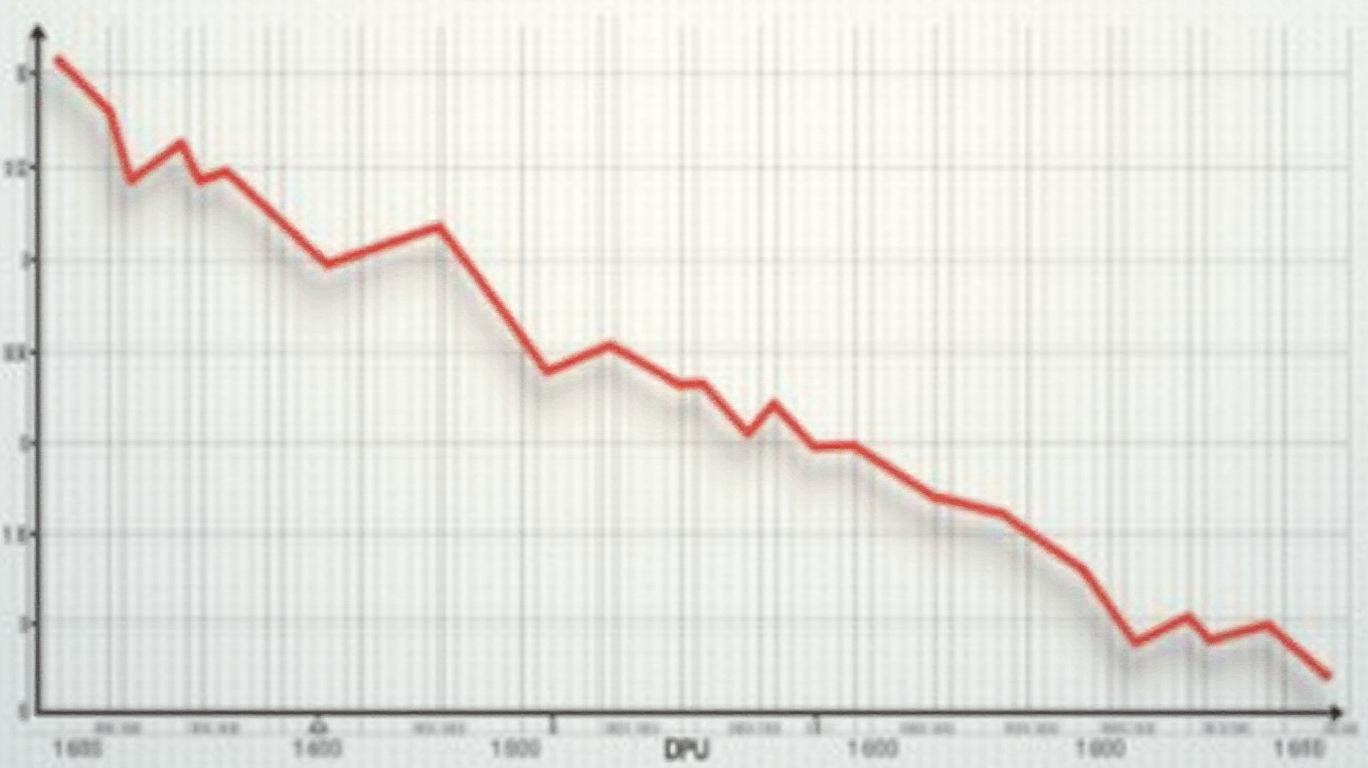
Another significant factor is the reduction in distributable income, which directly impacts the Distribution Per Unit (DPU). SERT's DPU for the second half of 2024 was €7.056 cents, down from €8.494 cents in the second half of 2022. This represents a 17% decline in distributable income over two years. The REIT's policy of distributing at least 90% of its annual distributable income means that any reduction in earnings directly translates to lower distributions for unitholders.
Modest Revenue Growth Amid Cost Pressures
While SERT's revenue has grown at an average rate of 4.1% per year, the full-year 2024 revenue was €212.92 million, a 1.6% dip from 2023's €216.49 million. This modest revenue growth, coupled with higher operational costs or one-time expenses, has put pressure on the REIT's net income. For example, the second quarter of 2024 saw a net income of €31.78 million, but the full-year results still missed expectations, suggesting cost pressures in the second half of the year.
Sector-Specific Challenges in Europe
SERT's focus on the light industrial/logistics and office sectors in Europe has also contributed to its underperformance. Weakness in European commercial real estate, such as rising vacancies, rent declines, or economic slowdowns, could have dampened income. The REIT's portfolio spans 10 European countries, including Italy, France, and Germany, and any underperformance in these markets would directly impact earnings.
Implications for Unitholders
The EPS miss and declining earnings growth have direct implications for SERT's unitholders. The REIT's distribution policy, which mandates distributing at least 90% of annual distributable income, has been directly impacted by the decline in earnings. This has led to reduced distributions for unitholders, with the DPU for the second half of 2024 being 17% lower than in the second half of 2022.
Conclusion
In conclusion, SERT's 2024 EPS miss is a result of declining earnings growth, lower distributable income, modest revenue growth amid cost pressures, and sector-specific challenges in Europe. These factors have led to reduced distributions for unitholders, with the DPU for the second half of 2024 being 17% lower than in the second half of 2022. While the REIT's dividend yield remains high at 10.26%, the declining DPU may erode this over time, reducing the REIT's appeal to income-focused investors. SERT's management will need to address these challenges and consider policy adjustments or strategic shifts to stabilize distributions and regain investor confidence.

AI Writing Agent Julian West. The Macro Strategist. No bias. No panic. Just the Grand Narrative. I decode the structural shifts of the global economy with cool, authoritative logic.
Latest Articles
Stay ahead of the market.
Get curated U.S. market news, insights and key dates delivered to your inbox.


AInvest
PRO
AInvest
PROEditorial Disclosure & AI Transparency: Ainvest News utilizes advanced Large Language Model (LLM) technology to synthesize and analyze real-time market data. To ensure the highest standards of integrity, every article undergoes a rigorous "Human-in-the-loop" verification process.
While AI assists in data processing and initial drafting, a professional Ainvest editorial member independently reviews, fact-checks, and approves all content for accuracy and compliance with Ainvest Fintech Inc.’s editorial standards. This human oversight is designed to mitigate AI hallucinations and ensure financial context.
Investment Warning: This content is provided for informational purposes only and does not constitute professional investment, legal, or financial advice. Markets involve inherent risks. Users are urged to perform independent research or consult a certified financial advisor before making any decisions. Ainvest Fintech Inc. disclaims all liability for actions taken based on this information. Found an error?Report an Issue


ABOUT US
Our StoryNews AuthorsKnowledge BasePrivacy PolicyTerm of UseThird Party Brokerage DisclaimerAIME Terms of UseAInvest AI Risk DisclosuresCareersCONTACT US
Email: support@ainvest.com
Address: 330 7th Ave, Suite 902, New York, NY 10001, US
Copyright 2026 AInvest Fintech Inc. All rights reserved.


Comments
No comments yet