
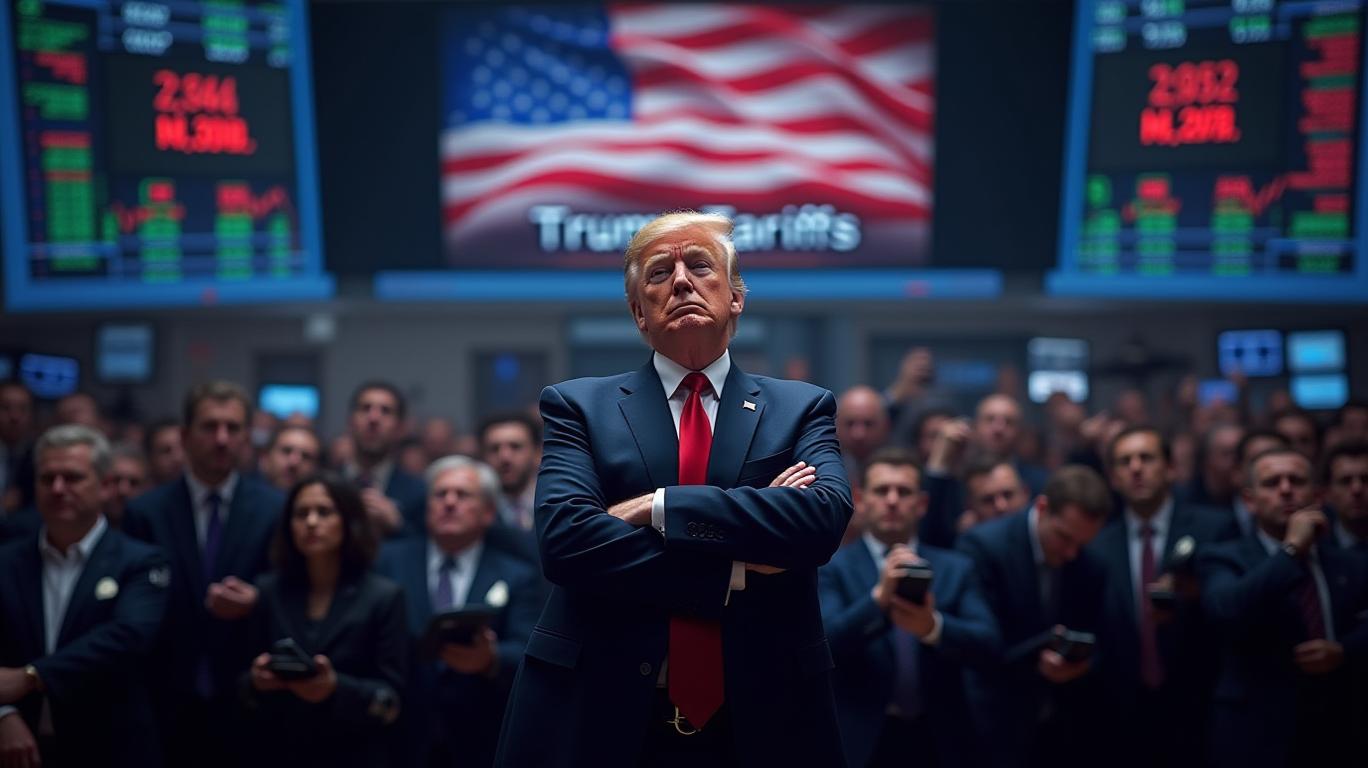
U.S. Stocks Plunge as Trump Tariffs Spark Market Volatility
On April 9, U.S. stocks experienced a volatile trading session, with the Nasdaq Composite leading the decline by dropping over 330 points. The market opened higher but failed to sustain the gains, as concerns over Trump's impending tariffs weighed heavily on investor sentiment. The Dow Jones Industrial Average fell by 320.01 points, or 0.84%, to close at 37,645.59. The S&P 500 also declined, shedding 79.48 points, or 1.57%, to end the day at 4,982.77.
The initial rally in the market was driven by hopes of potential negotiations between the U.S. and its major trading partners to reduce tariffs. Trump's post on his Truth Social platform hinted at progress in discussions with South Korea and other nations, mentioning various trade-related issues, including defense spending and energy purchases. However, the market's optimism was short-lived as analysts pointed out the lack of substantial support for the rally.
U.S. Treasury Secretary Scott Bessent described retaliatory tariffs imposed by trading partners as a "big mistake" and indicated that around 70 countries had reached out to the U.S. for tariff negotiations. He expressed optimism about reaching favorable deals if substantial proposals were made, though some tariffs might remain as bargaining chips. White House Economic Advisor Larry Kudlow stated that the administration was prepared to present a plan to Trump on who and when to engage in tariff negotiations, prioritizing Japan and South Korea. Analysts interpreted this as a signal that the U.S. might implement retaliatory tariffs before entering negotiations, a strategy that could further unsettle the market.
Despite discussions about potential agreements, no concrete deals seemed imminent before the deadline. Higher retaliatory tariffs were set to take effect at 12:01 AM on April 10, following the 10% base tariffs implemented on April 7. The White House confirmed that cumulative tariffs on Chinese goods could reach as high as 104%.
Trump's recent tariffs have led analysts to lower their economic growth forecasts for the year and raise inflation expectations. The latest projections suggest that Trump's tariffs could reduce U.S. trade volumes, potentially limiting the additional fiscal revenue the federal government might have expected. The market's reaction to Trump's tariffs has been significant, with investors already pricing in the risk of an economic recession. The Federal Reserve's rate cut expectations have fluctuated, with the market currently anticipating at least three rate cuts this year, the first of which is fully priced in for June. Federal Reserve officials have expressed varying views on the impact of tariffs and the appropriate monetary policy response.
Mary Daly, President of the Federal Reserve Bank of San Francisco, suggested that the Fed could afford to be patient before making any rate adjustments, given the current economic conditions and the uncertainty surrounding trade policies. She emphasized the need for a cautious and measured approach. Federal Reserve Chairman Jerome Powell had previously warned that the impact of new tariffs could be more significant than anticipated, and the Fed must ensure that price increases do not lead to sustained inflation. The focus now shifts to how the market and policymakers will navigate the ongoing trade tensions and their potential economic implications.

Stay ahead of the market.
Get curated U.S. market news, insights and key dates delivered to your inbox.


AInvest
PRO
AInvest
PRO



Comments
No comments yet