
Stock Market Volatility 2026: Why Staying Invested Matters Now
 Aime Summary
Market corrections are not just a possibility—they are a regular feature of investing. Since 1970, there have been 19 corrections without bear markets, and the average recovery has been 18.4% within just six months. Today's market volatility, though unsettling, fits this familiar pattern. Investors who panic sell during downturns run the risk of locking in losses and missing the quick rebounds that often follow. As JPMorganJPM-- Asset Management notes, some of the best days for the market tend to come right after the worst, reinforcing the benefit of staying invested.
What Role Is Geopolitical Risk Playing in Today's Market Volatility?
2026 has seen increased uncertainty due to rising geopolitical tensions, especially the ongoing conflict in Iran. These developments have caused sharp swings in major indexes like the S&P 500 and Nasdaq Composite. However, while headlines may drive short-term volatility, the underlying economic fundamentals remain robust. Corporate earnings, supportive fiscal policies, and solid economic growth continue to anchor the market, even amid the turbulence. Still, the risk of a full-scale correction increases if energy costs remain high and begin to impact inflation, interest rates, and corporate profits.
Should You Panic Sell or Try to Time the Market During a Correction?
Panic selling during a downturn is tempting, but it can be one of the most costly mistakes an investor can make. Selling at the bottom means missing the bounce when it happens. As the saying goes, "nobody knows what the market will do in the coming months," and trying to time the market is notoriously difficult. Instead of trying to guess when the market will bottom out, experts recommend a disciplined, long-term approach. Dollar-cost averaging—investing fixed amounts over time—can reduce the risk of making emotional decisions during market swings.
Staying invested also means capturing the compounding effect of gains when the market eventually rebounds. Historically, corrections tend to be short-lived, with most lasting about four months and recovering quickly afterward. For retirees and long-term investors, this means avoiding the "sequence of returns" risk—selling assets at a loss during a downturn can significantly impact long-term portfolio sustainability.
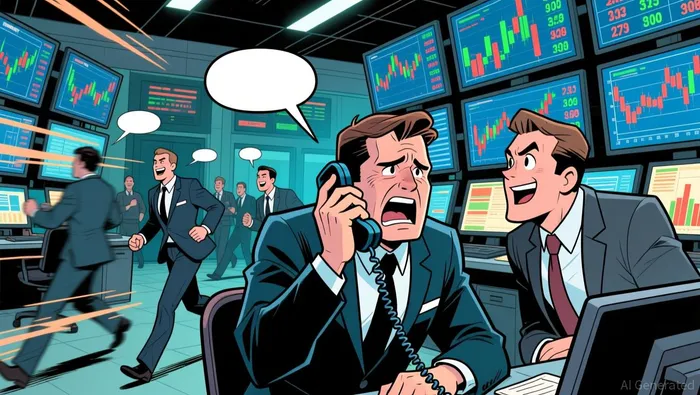
As markets remain choppy and unpredictable, the most effective strategy for investors is to stay diversified and focused on their long-term goals. Having a clear investment plan and working with a financial advisor can help investors avoid emotional reactions and remain aligned with their financial objectives, no matter what the market does next.

Stay ahead of the market.
Get curated U.S. market news, insights and key dates delivered to your inbox.


AInvest
PRO
AInvest
PRO



Comments
No comments yet