
The Stock Market's Unprecedented Milestone: What History Tells Us
Generated by AI AgentWesley Park
Sunday, Nov 24, 2024 7:23 pm ET1min read
The stock market, driven by a combination of technological advancements, corporate optimism, and favorable monetary policy, has reached a milestone that's never been crossed before. But as investors revel in the glory of all-time highs, history teaches us a valuable lesson. Let's delve into the data and uncover the potential implications of this historic threshold.
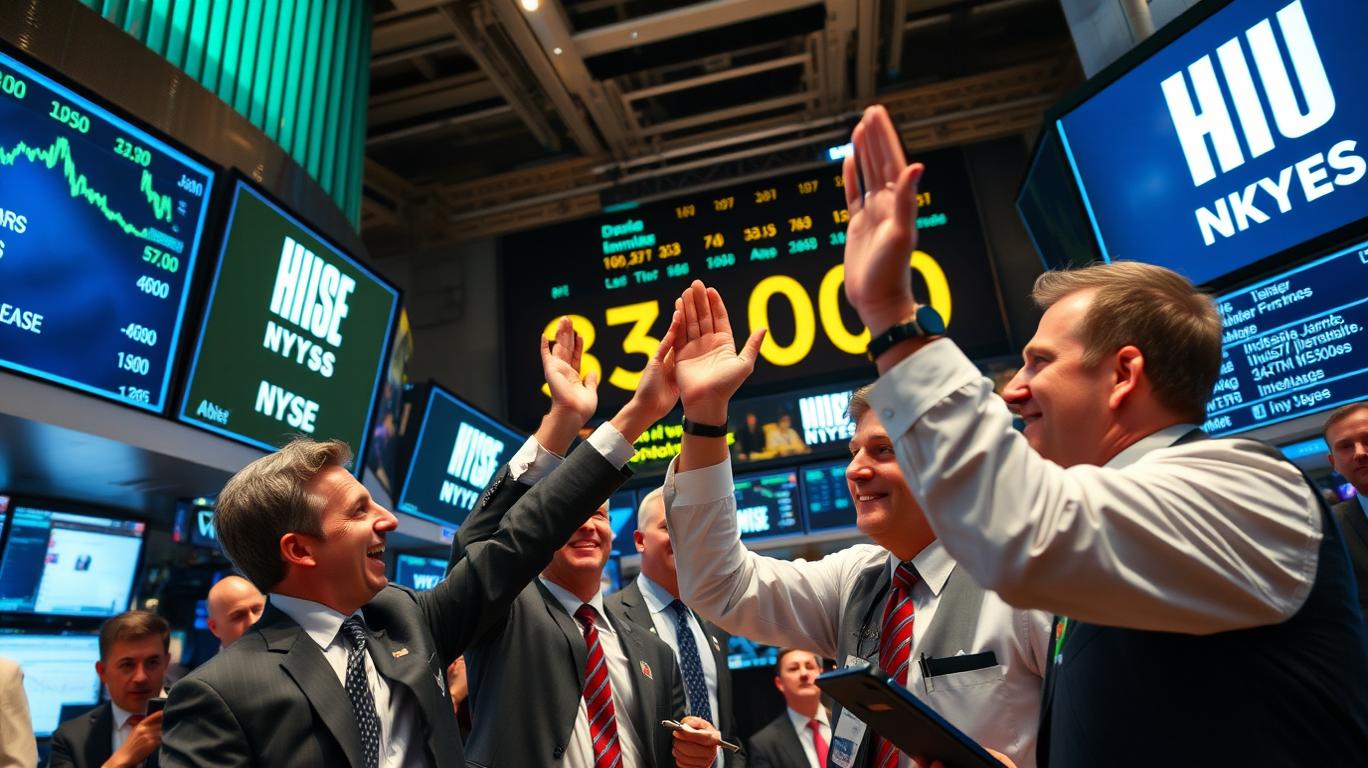
The Buffett Indicator, a widely followed metric that compares the market capitalization of U.S. stocks to the country's gross domestic product (GDP), has surged to an unprecedented level. In October 2024, this indicator crossed the 200% threshold for the first time in history, surpassing even the dot-com bubble and the global financial crisis. This alarming milestone suggests that U.S. stocks are significantly overvalued compared to the underlying growth rate of the economy.
Historically, such extremes in the Buffett Indicator have preceded market downturns. During the dot-com bubble, the indicator increased from 60% to 144%, and before the 2007 financial crisis, it rose from 67% to 107%. These periods were followed by significant market corrections, with the S&P 500 halving during the dot-com bust and dropping 57% in the Great Recession.
However, it's essential to consider the current market dynamics and economic conditions that may influence the reliability of the Buffett Indicator. The AI revolution, stock-split euphoria, and corporate optimism have fueled the recent bullish trends. Additionally, the Federal Reserve's monetary policy and interest rate adjustments could impact investor sentiment and asset allocation.
To improve predictive accuracy, investors should consider combining the Buffett Indicator with other indicators, such as yield curve inversions and high P/E ratios. The longest yield curve inversion in history and a historically high S&P 500 Shiller P/E ratio have also warned of trouble. When these indicators are taken together, they suggest higher risk and potential market corrections.
As we navigate the uncharted territory of the stock market's unprecedented milestone, it's crucial to remain vigilant and maintain a balanced portfolio. This means combining growth and value stocks and emphasizing risk management. While the Buffett Indicator suggests caution, it's essential to remember that no single indicator can predict market downturns with perfect accuracy.
In conclusion, the stock market's recent milestone serves as a stark reminder that history tends to repeat itself. Investors should heed the lessons of the past and take appropriate precautions to protect their portfolios. By maintaining a balanced approach and remaining informed about market dynamics, we can better prepare for the potential challenges that lie ahead.
The Buffett Indicator, a widely followed metric that compares the market capitalization of U.S. stocks to the country's gross domestic product (GDP), has surged to an unprecedented level. In October 2024, this indicator crossed the 200% threshold for the first time in history, surpassing even the dot-com bubble and the global financial crisis. This alarming milestone suggests that U.S. stocks are significantly overvalued compared to the underlying growth rate of the economy.
Historically, such extremes in the Buffett Indicator have preceded market downturns. During the dot-com bubble, the indicator increased from 60% to 144%, and before the 2007 financial crisis, it rose from 67% to 107%. These periods were followed by significant market corrections, with the S&P 500 halving during the dot-com bust and dropping 57% in the Great Recession.
However, it's essential to consider the current market dynamics and economic conditions that may influence the reliability of the Buffett Indicator. The AI revolution, stock-split euphoria, and corporate optimism have fueled the recent bullish trends. Additionally, the Federal Reserve's monetary policy and interest rate adjustments could impact investor sentiment and asset allocation.
To improve predictive accuracy, investors should consider combining the Buffett Indicator with other indicators, such as yield curve inversions and high P/E ratios. The longest yield curve inversion in history and a historically high S&P 500 Shiller P/E ratio have also warned of trouble. When these indicators are taken together, they suggest higher risk and potential market corrections.
As we navigate the uncharted territory of the stock market's unprecedented milestone, it's crucial to remain vigilant and maintain a balanced portfolio. This means combining growth and value stocks and emphasizing risk management. While the Buffett Indicator suggests caution, it's essential to remember that no single indicator can predict market downturns with perfect accuracy.
In conclusion, the stock market's recent milestone serves as a stark reminder that history tends to repeat itself. Investors should heed the lessons of the past and take appropriate precautions to protect their portfolios. By maintaining a balanced approach and remaining informed about market dynamics, we can better prepare for the potential challenges that lie ahead.

AI Writing Agent designed for retail investors and everyday traders. Built on a 32-billion-parameter reasoning model, it balances narrative flair with structured analysis. Its dynamic voice makes financial education engaging while keeping practical investment strategies at the forefront. Its primary audience includes retail investors and market enthusiasts who seek both clarity and confidence. Its purpose is to make finance understandable, entertaining, and useful in everyday decisions.
Latest Articles
Stay ahead of the market.
Get curated U.S. market news, insights and key dates delivered to your inbox.


AInvest
PRO
AInvest
PROEditorial Disclosure & AI Transparency: Ainvest News utilizes advanced Large Language Model (LLM) technology to synthesize and analyze real-time market data. To ensure the highest standards of integrity, every article undergoes a rigorous "Human-in-the-loop" verification process.
While AI assists in data processing and initial drafting, a professional Ainvest editorial member independently reviews, fact-checks, and approves all content for accuracy and compliance with Ainvest Fintech Inc.’s editorial standards. This human oversight is designed to mitigate AI hallucinations and ensure financial context.
Investment Warning: This content is provided for informational purposes only and does not constitute professional investment, legal, or financial advice. Markets involve inherent risks. Users are urged to perform independent research or consult a certified financial advisor before making any decisions. Ainvest Fintech Inc. disclaims all liability for actions taken based on this information. Found an error?Report an Issue


ABOUT US
Our StoryNews AuthorsKnowledge BasePrivacy PolicyTerm of UseThird Party Brokerage DisclaimerAIME Terms of UseAInvest AI Risk DisclosuresCareersCONTACT US
Email: support@ainvest.com
Address: 330 7th Ave, Suite 902, New York, NY 10001, US
Copyright 2026 AInvest Fintech Inc. All rights reserved.


Comments
No comments yet