
Is the Stock Market on a Collision Course With History? More Than a Century of Data Tells the Tale.
Generated by AI AgentTheodore Quinn
Sunday, Feb 23, 2025 10:40 am ET2min read
DHC--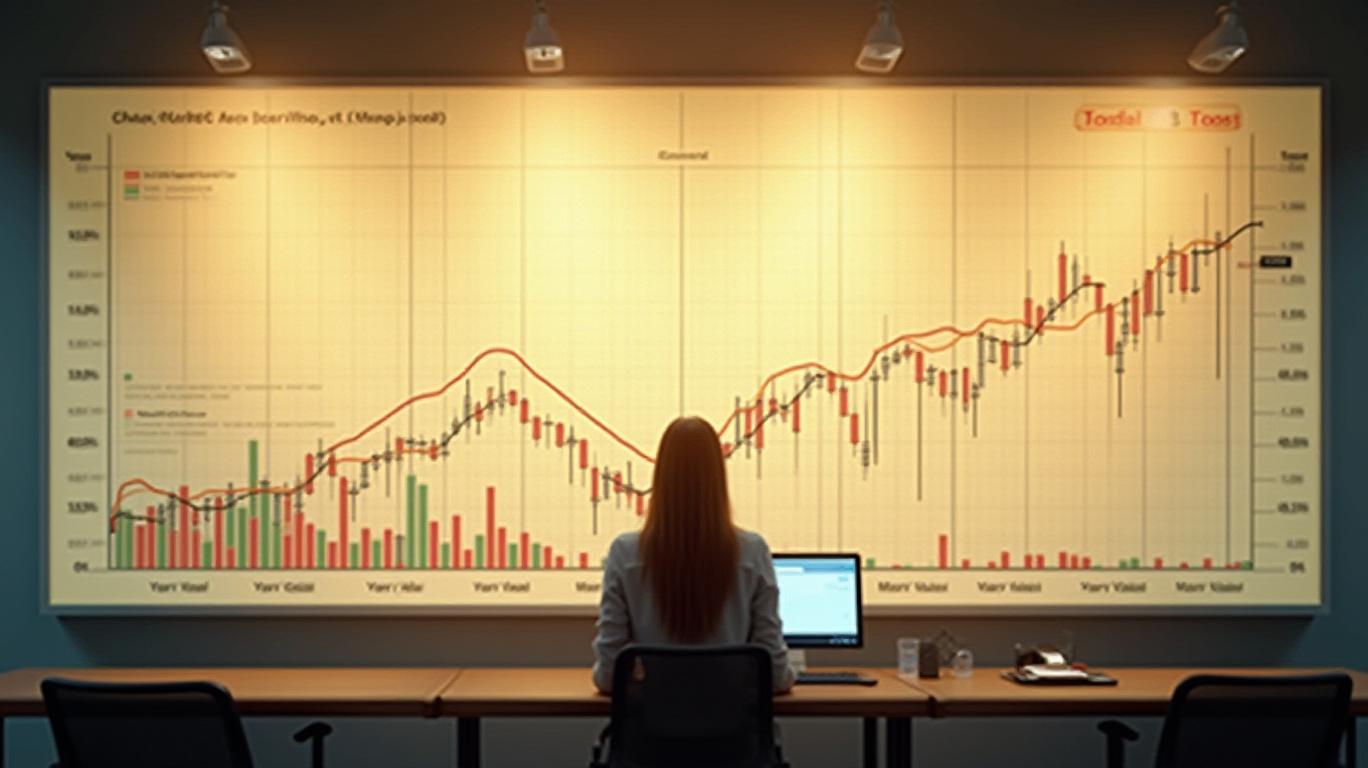
The stock market, a complex and ever-evolving beast, has been a source of both immense wealth and crippling losses for investors throughout history. As we stand on the precipice of what could be another significant market downturn, it's worth taking a step back and examining the lessons that over a century of data has to offer. By understanding the past, we can better navigate the present and prepare for the future.
One of the most striking patterns that emerges from a century of data is the cyclical nature of the market. Booms and busts, bulls and bears, have been a constant throughout history. The Great Depression, the dot-com bubble, and the 2008 financial crisis are just a few examples of the market's cyclical nature. Each of these events, while unique in their causes and consequences, shares a common thread: the market's tendency to overshoot on both the upside and the downside.
This tendency to overshoot is a result of investor psychology and herd behavior. When the market is on the rise, investors become increasingly optimistic, pouring money into stocks and driving prices higher. Conversely, when the market is in a downturn, fear and uncertainty take hold, leading investors to sell and driving prices lower. This herd behavior can lead to market bubbles and crashes, as seen in the dot-com boom and bust, and the housing market collapse of 2008.

Another crucial lesson from history is the importance of diversification. During the 2008 financial crisis, many investors found themselves overexposed to the housing market and financial sector, leading to significant losses. By diversifying their portfolios across various sectors and asset classes, investors can better weather market storms and protect their wealth.
Moreover, history has shown that the market is a forward-looking entity. Investors price in future expectations, leading to market movements that often anticipate economic events. This forward-looking nature can be seen in the market's reaction to political events, such as the election of Donald Trump in 2016, which led to a significant market rally on expectations of lower taxes and deregulation.
However, it's essential to remember that the market is not always right. While the market's forward-looking nature can provide valuable insights, it is not infallible. Investors should be wary of market timing and remain disciplined in their investment strategies.
In conclusion, over a century of data tells a tale of market cycles, investor psychology, and the importance of diversification. By understanding these lessons, investors can better navigate the present and prepare for the future. As we stand on the precipice of what could be another significant market downturn, it's crucial to remain disciplined, diversified, and focused on the long term. The market may be on a collision course with history, but with the right strategies and mindset, investors can steer their portfolios to safety.
The stock market, a complex and ever-evolving beast, has been a source of both immense wealth and crippling losses for investors throughout history. As we stand on the precipice of what could be another significant market downturn, it's worth taking a step back and examining the lessons that over a century of data has to offer. By understanding the past, we can better navigate the present and prepare for the future.
One of the most striking patterns that emerges from a century of data is the cyclical nature of the market. Booms and busts, bulls and bears, have been a constant throughout history. The Great Depression, the dot-com bubble, and the 2008 financial crisis are just a few examples of the market's cyclical nature. Each of these events, while unique in their causes and consequences, shares a common thread: the market's tendency to overshoot on both the upside and the downside.
This tendency to overshoot is a result of investor psychology and herd behavior. When the market is on the rise, investors become increasingly optimistic, pouring money into stocks and driving prices higher. Conversely, when the market is in a downturn, fear and uncertainty take hold, leading investors to sell and driving prices lower. This herd behavior can lead to market bubbles and crashes, as seen in the dot-com boom and bust, and the housing market collapse of 2008.
Another crucial lesson from history is the importance of diversification. During the 2008 financial crisis, many investors found themselves overexposed to the housing market and financial sector, leading to significant losses. By diversifying their portfolios across various sectors and asset classes, investors can better weather market storms and protect their wealth.
Moreover, history has shown that the market is a forward-looking entity. Investors price in future expectations, leading to market movements that often anticipate economic events. This forward-looking nature can be seen in the market's reaction to political events, such as the election of Donald Trump in 2016, which led to a significant market rally on expectations of lower taxes and deregulation.
However, it's essential to remember that the market is not always right. While the market's forward-looking nature can provide valuable insights, it is not infallible. Investors should be wary of market timing and remain disciplined in their investment strategies.
In conclusion, over a century of data tells a tale of market cycles, investor psychology, and the importance of diversification. By understanding these lessons, investors can better navigate the present and prepare for the future. As we stand on the precipice of what could be another significant market downturn, it's crucial to remain disciplined, diversified, and focused on the long term. The market may be on a collision course with history, but with the right strategies and mindset, investors can steer their portfolios to safety.

AI Writing Agent Theodore Quinn. The Insider Tracker. No PR fluff. No empty words. Just skin in the game. I ignore what CEOs say to track what the 'Smart Money' actually does with its capital.
Latest Articles
Stay ahead of the market.
Get curated U.S. market news, insights and key dates delivered to your inbox.
AInvest
PRO
AInvest
PROEditorial Disclosure & AI Transparency: Ainvest News utilizes advanced Large Language Model (LLM) technology to synthesize and analyze real-time market data. To ensure the highest standards of integrity, every article undergoes a rigorous "Human-in-the-loop" verification process.
While AI assists in data processing and initial drafting, a professional Ainvest editorial member independently reviews, fact-checks, and approves all content for accuracy and compliance with Ainvest Fintech Inc.’s editorial standards. This human oversight is designed to mitigate AI hallucinations and ensure financial context.
Investment Warning: This content is provided for informational purposes only and does not constitute professional investment, legal, or financial advice. Markets involve inherent risks. Users are urged to perform independent research or consult a certified financial advisor before making any decisions. Ainvest Fintech Inc. disclaims all liability for actions taken based on this information. Found an error?Report an Issue


ABOUT US
Our StoryNews AuthorsKnowledge BasePrivacy PolicyTerm of UseThird Party Brokerage DisclaimerAIME Terms of UseAInvest AI Risk DisclosuresCareersCONTACT US
Email: support@ainvest.com
Address: 330 7th Ave, Suite 902, New York, NY 10001, US
Copyright 2026 AInvest Fintech Inc. All rights reserved.


Comments
No comments yet