
Stock Market Closed on MLK Day 2026: Key Dates and Impacts for Investors
 Aime Summary
The U.S. stock market will be closed on Martin Luther King Jr. Day, January 19, 2026.
Bond markets and the U.S. Postal Service will also be closed on the same day.
Markets will reopen for regular trading on Tuesday, January 20, 2026.
If you're a retail investor or financial planner preparing for trading windows and settlement dates, the U.S. market closure on January 19 is a key factor to consider. This pause affects not just equities but also bond markets and related financial services, potentially influencing settlement timelines and delivery schedules. Understanding the full scope of closures is essential for managing expectations and planning around market activity in early 2026.
Martin Luther King Jr. Day, observed on the third Monday in January, is a federal holiday in the U.S. Since 1983, when President Ronald Reagan signed the King Holiday Bill into law, major exchanges like the New York Stock Exchange and Nasdaq have closed for the day. This closure also extends to the U.S. bond market, meaning no Treasury or corporate bond trading will occur on January 19. The full market day closure includes no pre-market or after-hours sessions, making it distinct from other days where early or late trading might occur.
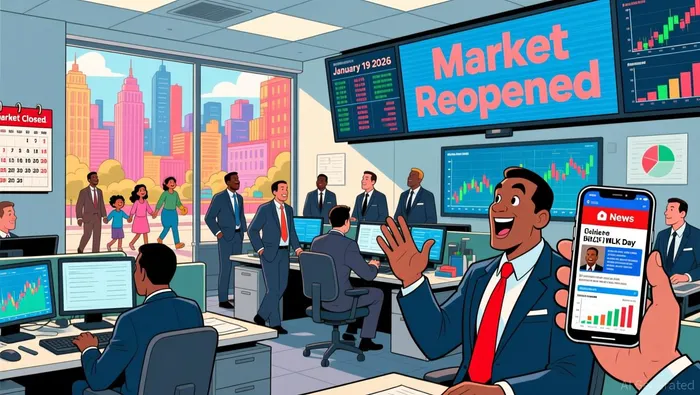
The implications for investors are straightforward: any trades scheduled for January 19 will need to be rescheduled for January 20 or later. Settlement dates for transactions executed before the holiday are typically pushed forward to the next business day, which can delay cash availability or asset delivery. For those who rely on regular market activity for income or portfolio rebalancing, this closure may require adjustments in timing. Additionally, the bond market closure could impact fixed-income investors reliant on real-time market prices for valuations.
The next major market holiday in 2026 is Presidents' Day on February 16. Investors should also keep in mind the broader schedule of market closures, including holidays like Good Friday, Memorial Day, and Independence Day. Staying ahead of these dates is crucial, especially during high-activity periods like earnings season or merger activity. For those who trade in cryptocurrencies, it's worth noting that crypto markets remain open 24/7 and are unaffected by U.S. federal holidays.
Is the Stock Market Open on MLK Day 2026? What Investors Need to Know
The U.S. stock market will not be open on MLK Day in 2026. All major exchanges, including the NYSE and Nasdaq, will be closed for regular and extended-hours trading. The U.S. bond market will also pause, and the U.S. Postal Service will suspend mail delivery. These closures impact not just trading activity but also related services like financial settlements and payroll processing. While ATMs and online banking remain functional, physical bank branches and post offices will be closed.
For investors, this holiday means a full trading pause. Any trades executed before the market close on January 18 will settle as normal, but no new transactions will be processed on January 19. If you're managing a portfolio or have trades that rely on specific settlement dates, it's wise to plan ahead. The next full market day after MLK Day is Tuesday, January 20, when trading will resume at 9:30 a.m. Eastern Time ( as per the full market schedule).
How Does MLK Day Closure Impact Financial Services and Market Participants
The MLK Day closure affects more than just equity trading. Bond markets will be fully closed, and the U.S. Postal Service will not deliver mail, which can delay settlement of transactions that rely on physical documentation. While many private businesses remain open, including grocery stores and retail locations, government offices like libraries, motor vehicle departments, and post offices will be closed.
For investors using automated investment platforms or relying on real-time market data, the closure means no updates or trading on January 19. It's also worth noting that most banks will close their branches, though digital banking services will remain available. This holiday can impact payment timing for investors who rely on regular dividend payouts or capital gains distributions that are scheduled around specific calendar dates.
Understanding the full scope of market and service closures is especially important for active traders and those managing cash flow in their portfolios. For instance, if you're planning a large trade that requires cash, you'll need to account for the holiday and ensure that the settlement date doesn't conflict with the MLK Day pause. Similarly, if you're relying on bond markets for portfolio adjustments, you'll need to plan for a delay in execution until January 20.
What to Watch After MLK Day 2026 Market Closures
Following the MLK Day closure, the market will return to normal operations on January 20. Investors should continue monitoring key economic data and earnings reports, as Q4 2025 earnings season is already underway and will continue into early 2026. The next full market closure will be on Presidents' Day, February 16, but other holidays like Good Friday and Memorial Day will also impact trading later in the year. Keeping track of these dates helps ensure that investors are prepared for any disruptions in timing or execution.
As for longer-term trends, the market closures in early 2026 may coincide with broader economic developments, including potential interest rate decisions or shifts in investor sentiment due to global economic conditions. For those who trade options or futures, it's especially important to note the holiday schedule to avoid issues with option expirations or futures settlements that could be affected by calendar changes.
Ultimately, the MLK Day closure is a routine part of the U.S. financial calendar and a reminder of how federal holidays shape market activity. By staying informed and planning ahead, retail investors can manage their portfolios with greater precision, regardless of whether they trade equities, bonds, or other assets.

Stay ahead of the market.
Get curated U.S. market news, insights and key dates delivered to your inbox.


AInvest
PRO
AInvest
PRO



Comments
No comments yet