
Stock Market Closed on MLK Day 2026: Here’s What Investors Need to Know
 Aime Summary
- U.S. stock markets will be fully closed on January 19, 2026, in observance of Martin Luther King Jr. Day.
- The New York Stock Exchange and NasdaqNDAQ-- will reopen for regular trading on January 20, 2026.
- The U.S. bond market will also be closed on January 19, 2026, and reopen on January 20.
The U.S. stock market will be closed on Monday, January 19, 2026, in observance of Martin Luther King Jr. Day, one of the most significant federal holidays on Wall Street. For retail investors and businesses, understanding this closure is critical to avoid missed opportunities or unexpected delays in transactions. This year’s schedule, consistent with prior years, aligns with the standard holiday calendar followed by the New York Stock Exchange and Nasdaq. Investors should be aware that no pre-market, regular, or after-hours trading will take place on this day, and both the stock and bond markets will be fully paused.
Many investors—especially those new to the market—may not realize the full impact of MLK Day closures on financial activity. While the stock market is the most visible casualty, the bond market, banks, and even the U.S. Postal Service all shut down for the day. This creates a ripple effect on financial settlements, payroll processing, and delivery schedules. The closure on January 19, being early in the year, can catch investors off guard after the New Year’s Day market reopening on January 2. As a result, it’s important to plan trades, dividend reinvestments, and other time-sensitive actions around these dates.
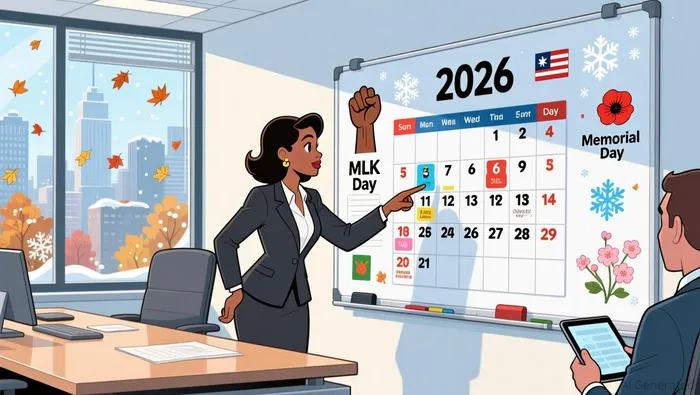
Is the Stock Market Open on MLK Day 2026? The Full Answer
U.S. stock markets will be closed on Monday, January 19, 2026, in observance of Martin Luther King Jr. Day. This is a standard federal holiday recognized by the New York Stock Exchange, Nasdaq, and the U.S. bond market. The day is observed to honor the legacy of Dr. Martin Luther King Jr., and as such, financial markets and many government services shut down for the day. The markets will reopen for regular trading on Tuesday, January 20. This closure is part of a broader 2026 market calendar that includes 10 full-day closures and two early closures, such as Black Friday and Christmas Eve.
This year, the MLK Day closure marks the first of several market holidays in 2026. The next full market closure will be on Monday, February 16, in observance of Presidents’ Day. Understanding the full calendar helps investors manage expectations and avoid confusion around trade settlement dates and market availability. The Securities Industry and Financial Markets Association (SIFMA) and exchanges like the NYSE and Nasdaq provide detailed schedules ahead of time, ensuring investors can plan accordingly.
Why Is the Stock Market Closed on MLK Day? Understanding the Rationale
Martin Luther King Jr. Day became a federal holiday in 1983, signed into law by President Ronald Reagan. The third Monday in January was selected to encourage people to reflect on the civil rights leader’s legacy and contributions to American society. While this is not a market-specific holiday, the financial system—like many other sectors—closes to allow employees time to observe the holiday. The stock market is particularly sensitive to such closures because trading is highly synchronized and relies on consistent timing for order execution, settlement, and cash flows.
For investors, the closure affects more than just stock trading. Bond markets, which are also critical for many investment portfolios, also shut down on MLK Day. Additionally, the U.S. bond market will be closed for several other federal holidays, including Good Friday and Independence Day. Unlike the stock and bond markets, the cryptocurrency market remains open 24/7, offering an alternative for investors who need liquidity on non-trading days.
In practice, the MLK Day closure is one of the first major market disruptions of the year. Investors should ensure that all electronic fund transfers and investment-related transactions are scheduled well in advance to accommodate for the closure. For businesses, particularly those that rely on payroll or financial settlements, knowing the schedule helps avoid potential operational delays. The closure also underscores the importance of reviewing your brokerage or investment platform’s calendar for specific dates and exceptions.
Is the Stock Market Open Tomorrow? Checking the 2026 Calendar
For those who find themselves wondering, “Is the stock market open tomorrow?” on the days leading up to MLK Day, the answer is straightforward in 2026: no. January 19 is a full market holiday, and January 20 is the first full trading day of the year after the New Year’s Day closure. The market will follow its standard 9:30 a.m. to 4 p.m. Eastern time schedule from January 20 onward until the next holiday. This pattern repeats for all major U.S. stock market closures, including Presidents’ Day, Memorial Day, and others.
Investors who trade frequently or rely on automated systems for portfolio management should double-check their calendar to avoid scheduling trades on a holiday. Additionally, it’s worth noting that pre-market and after-hours trading—often used for executing trades outside of regular hours—are also suspended on days when the market is closed. This is a common point of confusion, particularly for newer traders who may not be aware of the full range of market hours and exceptions.
The 2026 holiday schedule also includes early closures on November 27 (Black Friday) and December 24 (Christmas Eve), both of which end at 1 p.m. Eastern time. These closures are less common but still important for investors who may have trades or transfers scheduled on these dates. By having a clear understanding of the calendar, investors can avoid unnecessary fees, missed opportunities, and operational hiccups.
What to Watch Next: Key Market Holidays in 2026
With MLK Day in the rearview mirror, the next major U.S. market holiday to be aware of is Presidents’ Day on Monday, February 16. After that, Good Friday will close the market on April 3, followed by Memorial Day on May 25 and Juneteenth on June 19. The Independence Day closure is observed on July 3, and the year ends with Labor Day on September 7, Thanksgiving on November 26, and Christmas on December 25.
Investors should also keep an eye out for early closures. In addition to the already-mentioned Black Friday and Christmas Eve closures, the bond market will also close early on Maundy Thursday and other specific days. These closures impact not just trading but also settlement timelines and cash availability, which can affect portfolio management and liquidity.
Understanding the full 2026 market calendar ensures that investors can plan their trades, allocate resources, and manage their portfolios effectively. While MLK Day is an early example, it’s part of a broader pattern of closures that are essential to consider for any investor with an active strategy.

Stay ahead of the market.
Get curated U.S. market news, insights and key dates delivered to your inbox.
AInvest
PRO
AInvest
PRO



Comments
No comments yet