
The US Stock Market in 2025: A Year of Volatility, AI-Driven Gains, and Tariff Turmoil
 Aime Summary
The US stock market in 2025 experienced significant volatility, with early declines driven by trade policies and later surges from technological advancements, culminating in a mixed close as of mid-December.
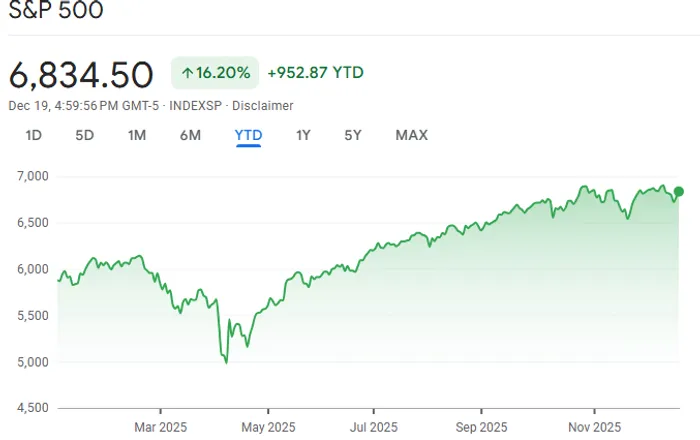
The S&P 500 has seen a year-to-date gain of about 16.20% as of December 22nd with the index at approximately 6,834 after wavering near all-time highs earlier in the month. The index ranged from a low of around 4,800 in the spring to highs nearing close to 7,000 in the fall, reflecting influences from political shifts, Federal Reserve actions, and the AI boom.
Early-Year Lows: The Impact of Trump Tariffs Post-Inauguration
Following Donald Trump's inauguration on January 20, 2025, markets initially rose on expectations of deregulation, with the S&P 500 climbing to about 6,200 in February. However, the rapid implementation of tariffs on imports from China, Mexico, and Canada—intended to bolster domestic industries—ignited fears of inflation and supply disruptions
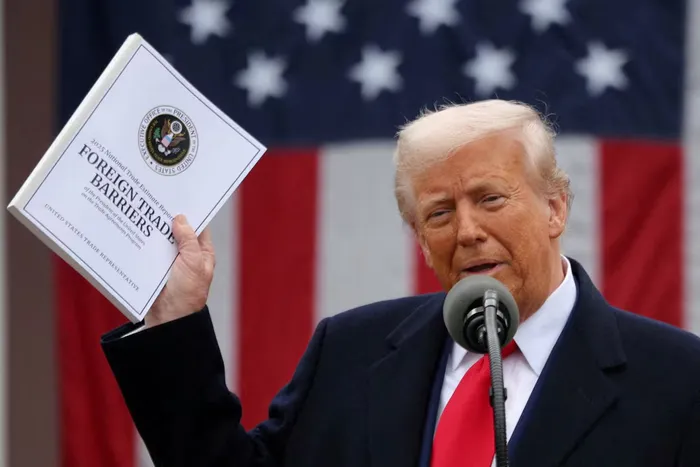
This led to a sharp sell-off, with the S&P 500 dropping nearly 20% over seven weeks, hitting a low of approximately 4,800 by early April. J.P. Morgan Global Research noted that these tariffs contributed to lowered 2025 GDP growth estimates due to heightened trade uncertainty. The Tax Foundation projected the tariffs would raise federal revenues by $142.9 billion but act as a significant tax hike, exacerbating economic pressures. A temporary pause in escalations in mid-April sparked a rebound, marking this "Trump inauguration tariff low" as the year's bottom, reminiscent of 2018 trade tensions but intensified by global supply vulnerabilities.
Mid-Year Fluctuations: Powell's Speeches and Rate Decisions
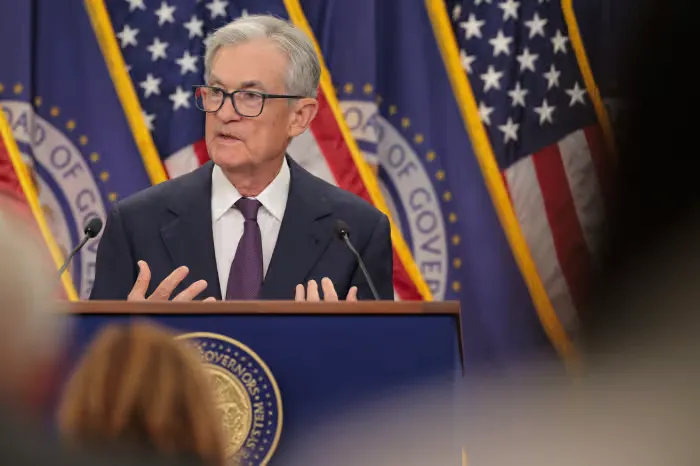
Federal Reserve Chair Jerome Powell's speeches significantly influenced market movements in 2025. At the Jackson Hole symposium on August 22, Powell signaled openness to rate cuts, citing rising inflation risks and labor market weakening, which boosted stocks—the Dow gained as investors anticipated relief.
The S&P 500 rose about 1.5% that day, aiding recovery from spring lows and closing August around 6,500. However, in an October 14 speech, Powell warned of building inflationary pressures into 2026 and high stock valuations, triggering a dip, especially in tech, with the S&P 500 falling 1-2% in subsequent sessions. The December Fed meeting further highlighted caution, with Powell emphasizing a solid economic footing but no immediate hikes, leading to mixed reactions and a year-end softening.
These communications illustrated the Fed's balancing act amid persistent inflation and asset bubble concerns.
Fall Highs: The AI Power Surge
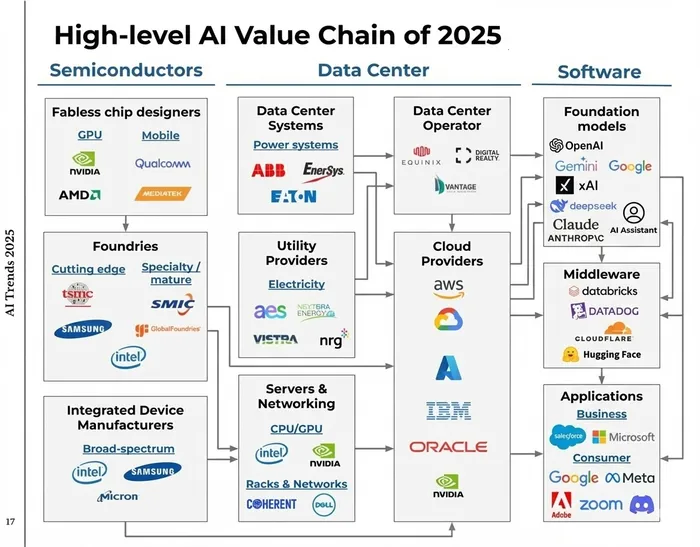
The fall marked 2025's peak, driven by the AI sector's momentum. AI capital expenditures were projected to exceed $500 billion in 2026, but 2025 saw robust growth, with AI stocks up 21% year-to-date and contributing to broader market gains. The S&P 500 pushed to around 6,900, edging close to 7,000, in late October, closing the month near 6,900 amid enthusiasm for AI adoption across industries. Bloomberg reported bulls expecting continued momentum, with earnings growth at 10% for the year. However, by mid-December, AI bubble fears emerged, with stocks like those in the sector weighing on indices— the Nasdaq and S&P 500 fell 1.69% and 1.07% on December 12 amid valuation concerns. Vanguard highlighted AI's economic upside but cautioned on stock exuberance, noting uneven productivity gains. This "fall high point due to AI power" peaked before late-year reassessments.
To clarify these trends, here's a table of key S&P 500 points:
Outlook for 2026: Cautious Optimism Amid Risks
For 2026, Wall Street anticipates moderate S&P 500 growth, potentially reaching 7,800—a 16% rally—driven by 9% earnings acceleration in non-tech sectors. Bloomberg notes a shift from tech to "old school" growth, with AI supercycle continuing but at a tempered pace of 13-15% earnings.
Risks include an AI bust, as forecasters warn of shaky profit assumptions and adoption rates stalling. Tariff effects may spill over, potentially sparking a 2026 crash, per analysts. Overall, Bloomberg describes a "cautious optimism" with bullish emerging markets and diversification advised beyond AI.

Rodder Shi is a market analyst covering U.S. stocks and prediction markets. He holds a Master’s degree in Financial Engineering from UCLA and dual degrees from UC San Diego, with research experience at CICC and Rayliant. An IAQF quantitative research award winner, he has over six years of equity and options investing experience focused on data-driven and risk-aware market analysis.
Latest Articles
Stay ahead of the market.
Get curated U.S. market news, insights and key dates delivered to your inbox.


AInvest
PRO
AInvest
PRO



Comments
No comments yet