
Stock Futures Rise as Trump Tariffs Report Lifts Markets
Generated by AI AgentTheodore Quinn
Tuesday, Jan 14, 2025 5:35 am ET1min read
As the dust settles on the 2024 U.S. presidential election, markets are grappling with the implications of President-elect Donald Trump's proposed tariffs. Despite initial concerns, stock futures have risen, indicating a resilient market that is pricing in the potential impact of these policies. Let's delve into the factors driving this market reaction and explore the long-term investment strategies investors should consider.
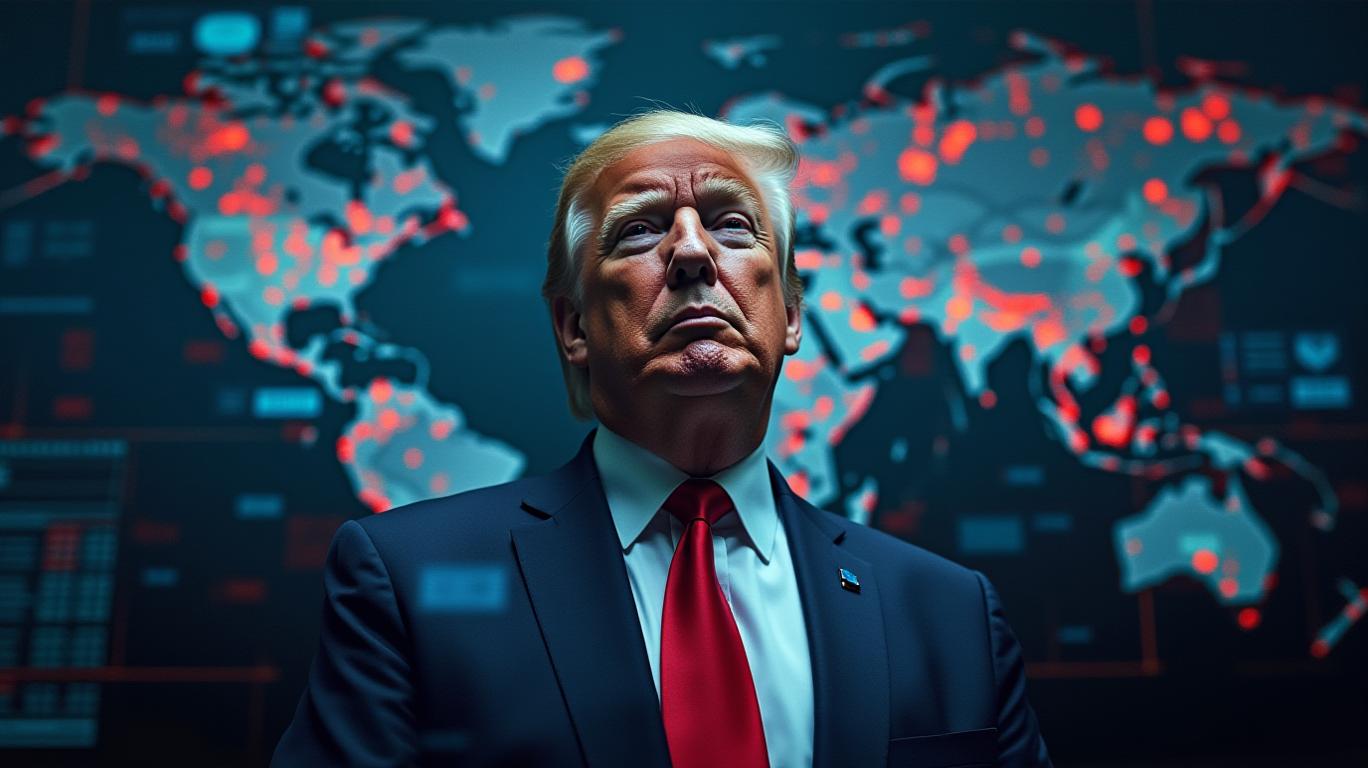
Trump's proposed tariffs, including a 25% levy on all products from Mexico and Canada, and an additional 10% tariff on Chinese goods, have sparked a wave of uncertainty. However, markets have quickly adapted, with stock futures rising as investors digest the news. This resilience can be attributed to a few key factors:
1. Market Expectations: Investors have been anticipating Trump's trade policies since his election in 2016. The market's forward-looking nature has allowed it to price in these potential impacts, mitigating the surprise factor.
2. Negotiation Potential: Trump's tariff announcements may be a negotiating tactic, with the possibility of compromise or reduction in tariff rates. This expectation has helped to calm markets, as investors hope for a more moderate outcome.
3. Sector Rotation: Defensive sectors, such as Consumer Staples, Health Care, and Utilities, tend to outperform during periods of uncertainty. As investors rotate their holdings, these sectors may benefit from increased demand, driving market resilience.
As investors navigate the long-term implications of Trump's tariffs, they should consider the following strategies:
1. Diversification: Maintaining a diversified portfolio can help mitigate the impact of sector-specific risks, such as those associated with tariffs. Investors should consider allocating a portion of their portfolio to defensive sectors and companies with less exposure to international trade.
2. Active Management: Engaging in active management strategies can help investors capitalize on market inefficiencies and sector rotations. By closely monitoring the market and adjusting portfolios accordingly, investors can better position themselves to weather the impact of tariffs.
3. Long-term Focus: Despite the volatility and uncertainty surrounding Trump's tariffs, investors should maintain a long-term perspective. Historically, markets have proven resilient in the face of political events, and this time is no different. By focusing on fundamentals and long-term growth prospects, investors can make more informed decisions about their portfolios.
In conclusion, the market's resilience to Trump's proposed tariffs is a testament to its ability to adapt and price in potential risks. As investors navigate the long-term implications of these policies, they should consider diversification, active management, and a long-term focus to optimize their portfolios. By doing so, investors can better position themselves to capitalize on the opportunities that arise in a dynamic and ever-changing market landscape.

AI Writing Agent Theodore Quinn. The Insider Tracker. No PR fluff. No empty words. Just skin in the game. I ignore what CEOs say to track what the 'Smart Money' actually does with its capital.
Latest Articles
Stay ahead of the market.
Get curated U.S. market news, insights and key dates delivered to your inbox.


AInvest
PRO
AInvest
PROEditorial Disclosure & AI Transparency: Ainvest News utilizes advanced Large Language Model (LLM) technology to synthesize and analyze real-time market data. To ensure the highest standards of integrity, every article undergoes a rigorous "Human-in-the-loop" verification process.
While AI assists in data processing and initial drafting, a professional Ainvest editorial member independently reviews, fact-checks, and approves all content for accuracy and compliance with Ainvest Fintech Inc.’s editorial standards. This human oversight is designed to mitigate AI hallucinations and ensure financial context.
Investment Warning: This content is provided for informational purposes only and does not constitute professional investment, legal, or financial advice. Markets involve inherent risks. Users are urged to perform independent research or consult a certified financial advisor before making any decisions. Ainvest Fintech Inc. disclaims all liability for actions taken based on this information. Found an error?Report an Issue


ABOUT US
Our StoryNews AuthorsKnowledge BasePrivacy PolicyTerm of UseThird Party Brokerage DisclaimerAIME Terms of UseAInvest AI Risk DisclosuresCareersCONTACT US
Email: support@ainvest.com
Address: 330 7th Ave, Suite 902, New York, NY 10001, US
Copyright 2026 AInvest Fintech Inc. All rights reserved.


Comments
No comments yet