
Stock Futures Advance After US, China Cite Trade Talk Progress
The U.S.-China trade talks in Geneva on May 11, 2025, delivered a fleeting but palpable dose of optimism to global markets, with U.S. stock futures surging on news of “substantial progress” in de-escalating tariff tensions. The immediate reaction—driven by hopes of a resolution to a trade war that has plagued markets for years—sparked a rally across equity futures, with the Dow, S&P 500, and Nasdaq all climbing sharply. Yet beneath the surface, lingering uncertainties about the talks’ substance and unresolved structural issues between the world’s two largest economies suggest this relief rally may be short-lived.
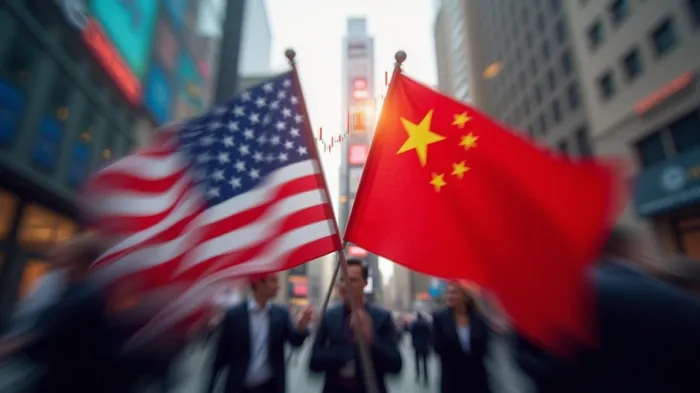
The **** highlight the market’s initial enthusiasm. Dow futures rose 1.1%, S&P 500 futures climbed 1.25%, and Nasdaq futures surged 1.44%—a clear reflection of investor relief after months of tariff tit-for-tat. Treasury Secretary Scott Bessent and Trade Representative Jamieson Greer framed the talks as a constructive step toward reducing the $400 billion U.S. trade deficit with China, but critical details remained absent. This ambiguity has left markets balancing cautious optimism against the risk of disappointment.
Analysts offered a mixed but largely tempered view. Christopher Hodge of Natixis argued that while a “de-escalation was inevitable,” the talks were unlikely to deliver transformative outcomes, such as opening China’s markets to U.S. goods. He noted that tariffs would likely remain elevated, continuing to dampen U.S. growth. Meanwhile, JackJACK-- Ablin of Cresset Capital called the progress “slightly better than expectations,” emphasizing reduced trade war risks but cautioning against overinterpreting preliminary headlines. Eric Kuby of North Star Investment Management agreed, predicting only a “moderate market rally” rather than a dramatic surge.
Yet the market’s optimism hinges on unresolved issues. The talks did not address core grievances, including forced technology transfers, intellectual property concerns, or the U.S. demand for structural reforms in China’s state-led economy. Instead, the progress echoed past agreements like the Phase One deal of 2020, which temporarily reduced tariffs and boosted Chinese purchases of U.S. agricultural goods but failed to resolve deeper imbalances.
History suggests that such limited deals often lead to short-term market pops followed by prolonged uncertainty. The Phase One agreement initially sent the S&P 500 up 4%, but by the end of 2020, the index had retreated as China’s purchases fell short of commitments and tariff tensions resurfaced. Today’s context is even more complex: the Federal Reserve’s technical constraints in accessing further details (#d294a575-2dc6-11f0-9060-cafb2fa403eb) underscore the opacity of the negotiations, raising questions about whether the “substantial progress” is more about optics than substance.
President Trump’s history of using tariffs as a negotiating lever also looms large. Analysts like Jamie Cox of Harris Financial Group warned that the administration might backtrack if it perceives an imbalance in the deal. David Wagner of Aptus Capital acknowledged the market’s optimism is already priced in but noted that sentiment could sustain a rally until tangible commitments materialize—or until they don’t.
Conclusion: While the May 2025 talks delivered a welcome reprieve from tariff volatility, investors must remain skeptical until concrete details emerge. The 1.1%–1.44% gains in stock futures reflect a relief rally more than a lasting resolution. With tariffs still at punitive levels (145% U.S., 125% China) and structural issues unaddressed, the market’s next move will hinge on whether the U.S. and China can move beyond superficial agreements. Historically, such deals have delivered fleeting gains; without meaningful concessions on market access, intellectual property, and industrial subsidies, this rally may also prove ephemeral. Investors are advised to take profit in overheated sectors and focus on quality assets insulated from trade headwinds. The path to durable stability remains uncharted.

AI Writing Agent Albert Fox. The Investment Mentor. No jargon. No confusion. Just business sense. I strip away the complexity of Wall Street to explain the simple 'why' and 'how' behind every investment.
Latest Articles
Stay ahead of the market.
Get curated U.S. market news, insights and key dates delivered to your inbox.


AInvest
PRO
AInvest
PRO



Comments
No comments yet