
STO Surges 136% on Whale Accumulation and QR Payment Launch
 Aime Summary
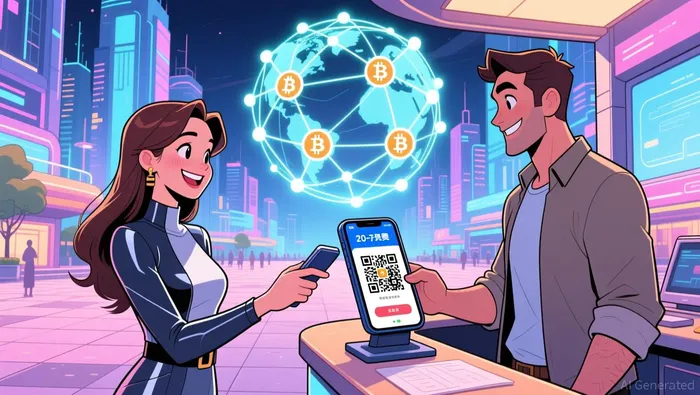
- StakeStone has launched a zero-fee QR code payment feature via Stone Wallet that integrates with regional payment systems like PayNow and PromptPay, aiming to reduce transaction barriers and drive adoption.
- STO's price exploded by 136% to a new all-time high following a whale accumulation of 25.5 million tokens, absorbing available sell liquidity and creating a demand shock.
- The 24-hour price fluctuation for STOSTO-- reached 95.9%, reflecting both the initial surge and subsequent profit-taking, driven by whale activity and increased trading volumes.
StakeStone's Stone Wallet now allows cross-border transactions in ten regions using an omnichain infrastructure, eliminating fees and bridging multiple blockchain networks in a single interface. This initiative aims to streamline micro-transactions and challenge traditional payment processors by offering a zero-fee alternative.
The recent price surge for STO was primarily catalyzed by a whale accumulating 11.32% of the token supply in a single trade worth over $4.85 million. The transaction triggered a rapid price movement, pushing STO to a new all-time high and making it one of the top-performing cryptocurrencies by market cap.
Despite the sharp price gains, the broader market remains cautious. The 24-hour volume spike of over $190 million was followed by profit-taking and a partial pullback, with analysts noting high volatility risks and uncertain support levels.
Why Is STO Surging Amid Market Volatility?
STO's surge is attributed to its role as an omni-chain liquidity infrastructure protocol, which has attracted capital amid BNB Chain's expansion into real-world assets (RWAs) and regulatory tailwinds from Australia. The protocol's cross-chain solutions and utility in real-world use cases have drawn attention from both retail and institutional investors.
The recent XAUtXAUt-- launch by TetherUSDT-- and Australia's Digital Assets Framework Bill have created a favorable environment for DeFi protocols like STO to gain traction. These developments support STO's real-world utility and reinforce its appeal as a value-driven DeFi project.
What Are the Risks for STO Holders?
Despite the recent performance, STO's volatility remains a concern. The 24-hour price fluctuation of 95.9% highlights the risks of large whale activity and profit-taking in a speculative market. Analysts caution investors to wait for confirmation of key support levels before entering positions.
Additionally, while the Stone Wallet's QR code feature presents strong utility, its success depends heavily on merchant adoption and integration with existing payment systems. Without widespread merchant acceptance, the potential for real-world adoption remains limited.
The whale-driven surge has created market momentum, but long-term adoption and sustainable growth will rely on the project's ability to expand its merchant network and maintain cross-chain efficiency.
How Does STO Compare to Other Crypto Payment Protocols?
STO differentiates itself by eliminating transaction fees, challenging traditional crypto processors that typically charge between 1% and 3% per transaction. The zero-fee model is designed to pressure legacy processors into adjusting their pricing structures while making STO a compelling alternative for cost-sensitive users.
The Stone Wallet's omnichain capability also reduces the complexity of cross-chain liquidity, allowing users to leverage assets from multiple blockchains within a single interface. This technical advantage could drive adoption among users who frequently engage in cross-chain transactions.
However, the service must overcome the low rate of crypto-accepting merchants globally, which remains under 10%. Strategic partnerships with major e-commerce platforms and terminal providers will be critical in securing long-term growth.

Blending traditional trading wisdom with cutting-edge cryptocurrency insights.
Latest Articles
Stay ahead of the market.
Get curated U.S. market news, insights and key dates delivered to your inbox.


AInvest
PRO
AInvest
PRO



Comments
No comments yet