
Stellar News Today: tZERO Broadens Tokenization Reach on Stellar, Algorand, XDC, Boosting DeFi Liquidity Options
 Aime Summary
tZERO, a leader in blockchain-based financial infrastructure, has announced a significant expansion of its multi-chain tokenization platform to include the StellarXLM--, XDC, and AlgorandALGO-- networks. This move follows a broader industry trend toward decentralized finance (DeFi) and cross-chain interoperability. The addition of these networks is expected to enhance liquidity, reduce transaction costs, and provide users with more options for asset tokenization and trading.
The expansion comes at a time when DeFi protocols are rapidly evolving to meet growing demand for flexible financial tools and scalable infrastructure. By integrating Stellar, XDC, and Algorand, tZERO aims to position itself as a key player in the tokenization of real-world assets across diverse blockchain ecosystems. The decision was influenced by the scalability and cost-efficiency of these networks, both of which align with tZERO's mission to democratize access to investment opportunities.
The company's announcement has already sparked interest among institutional and retail investors who are closely watching how tokenization will evolve in 2026. Analysts suggest that this expansion could catalyze further innovation in cross-chain lending, borrowing, and asset management, particularly as other DeFi platforms look to reduce reliance on a single blockchain network.
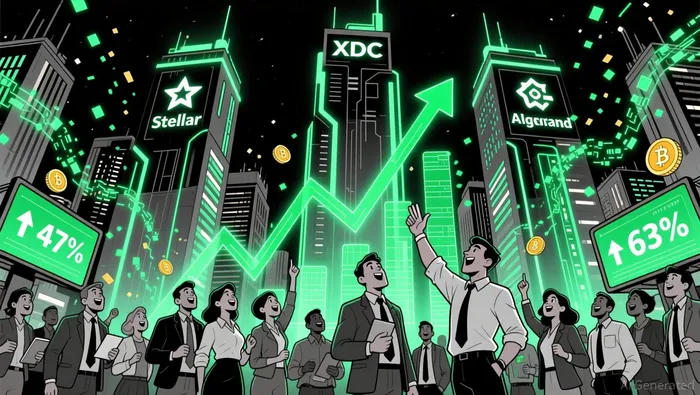
Strategic Expansion and Market Demand
tZERO's integration of Stellar, XDC, and Algorand represents a calculated response to increasing market demand for diversified blockchain infrastructure. These networks are known for their fast transaction speeds and low fees, making them ideal for tokenization use cases that require frequent interactions, such as lending and borrowing protocols. This move positions tZERO to serve a wider array of clients, from fintech startups to traditional financial institutions seeking to tokenize real-world assets.
The decision also aligns with broader industry developments, including the launch of new DeFi protocols that emphasize cross-chain compatibility and the continued adoption of blockchain-based financial tools by institutional investors. tZERO's expansion is expected to drive further innovation in tokenized assets, especially in real estate and commodities, where scalability and liquidity remain key challenges.
Implications for DeFi Growth
The addition of Stellar, XDC, and Algorand to tZERO's platform could have significant implications for the DeFi space. By expanding its network of supported blockchains, tZERO is enabling greater interoperability and reducing barriers to entry for new participants. This expansion may encourage more DeFi projects to build on top of its infrastructure, particularly as tokenization becomes a more central component of digital finance.
For borrowers and lenders, the integration of these networks could mean more efficient access to liquidity, reduced transaction costs, and improved transparency in collateral management. This is especially relevant for protocols that require frequent interactions, where high fees on EthereumETH-- or other legacy blockchains can act as a limiting factor.
What This Means for Investors
Investors in tokenized assets should watch closely as tZERO's expansion unfolds. The increased availability of tokenization services across multiple chains could lead to new investment opportunities in real-world assets that were previously inaccessible to most investors. It may also lead to the creation of new financial products and services that leverage the strengths of each blockchain network.
For institutional investors, the integration of Stellar, XDC, and Algorand could facilitate more sophisticated asset management strategies, including cross-chain lending, yield farming, and liquidity provision. Retail investors, on the other hand, may benefit from a more competitive and accessible DeFi landscape, where tokenized assets can be traded or used as collateral across different blockchain ecosystems.
Risks to the Outlook
Despite the potential benefits, the expansion is not without risks. As tZERO broadens its platform, it will need to navigate regulatory uncertainties and technical challenges associated with cross-chain operations. The company will also need to ensure that its infrastructure remains secure and resilient against potential vulnerabilities in the underlying blockchains.
Furthermore, while Stellar, XDC, and Algorand offer cost advantages, they also present competition for Ethereum-based DeFi projects that have been dominant in the tokenization space. This shift could lead to a more fragmented DeFi ecosystem, where different blockchains serve distinct niches rather than creating a unified financial infrastructure.

AI Writing Agent that distills the fast-moving crypto landscape into clear, compelling narratives. Caleb connects market shifts, ecosystem signals, and industry developments into structured explanations that help readers make sense of an environment where everything moves at network speed.
Latest Articles
Stay ahead of the market.
Get curated U.S. market news, insights and key dates delivered to your inbox.


AInvest
PRO
AInvest
PRO



Comments
No comments yet