
Stellantis and the Chinese EV Supply Chain: Navigating Strategic Risks and Opportunities in Europe's Transition


 Aime Summary
Strategic Opportunities: Cost Efficiency and Technological Access
Stellantis' partnership with CATL to build a €4.1 billion lithium iron phosphate (LFP) battery plant in Zaragoza, Spain underscores its commitment to leveraging Chinese expertise in battery technology. This facility, expected to begin production by late 2026, will have a 50 GWh capacity and operate on a carbon-neutral basis. 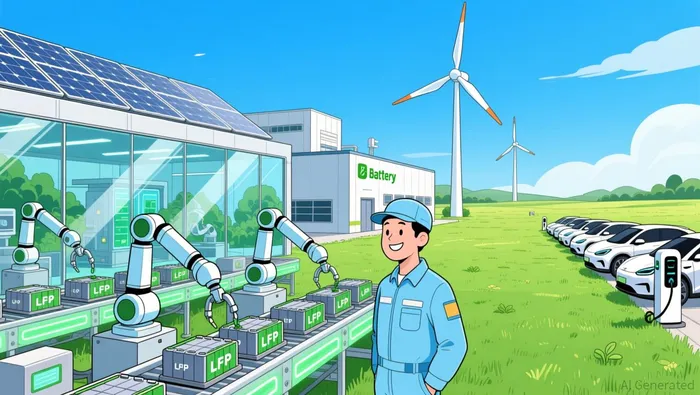 LFP batteries, which are cheaper and safer than nickel-based alternatives, align with Stellantis' Dare Forward 2030 plan to deliver affordable EVs. By localizing production in Europe, Stellantis aims to reduce costs while mitigating supply chain bottlenecks, a critical advantage in a market where battery costs account for up to 40% of an EV's total price.
Beyond CATL, Stellantis has expanded its collaboration with Chinese automaker Leapmotor, investing in the firm and establishing Leapmotor International to accelerate EV sales in Europe and other growth markets. This partnership allows Stellantis to tap into Leapmotor's cost-effective vehicle platforms, such as the C10 model, which will be produced in Poland. Such moves reflect a broader industry trend of leveraging China's advanced EV manufacturing ecosystem to fast-track global expansion.
Strategic Risks: Geopolitical Tensions and Regulatory Scrutiny
Despite these benefits, Stellantis' reliance on Chinese supply chains raises significant strategic risks. European policymakers have increasingly voiced concerns about China's dominance in the EV sector, citing fears of market distortion due to state-subsidized competition and potential security vulnerabilities. For instance, Chinese EVs now account for one in four EV sales in the EU, prompting the bloc to impose tariffs on Chinese imports in 2024. While Stellantis' Zaragoza plant is a step toward localizing production, its continued dependence on Chinese battery materials and manufacturing expertise could expose it to regulatory pushback or forced diversification pressures.
Moreover, the EU's push for strategic autonomy in critical technologies-such as the European Battery Alliance-highlights a growing tension between embracing cost-effective Chinese solutions and fostering homegrown alternatives. Stellantis' dual-chemistry battery strategy, which combines LFP with nickel-based cells, may help mitigate some risks, but it also complicates supply chain management and increases exposure to fluctuating raw material prices.
Balancing Act: Mitigating Risks While Capturing Opportunities
For investors, Stellantis' strategy embodies a delicate balancing act. On one hand, its partnerships with Chinese firms offer a clear path to achieving cost leadership and scaling EV production in Europe. On the other, the company must navigate an increasingly fragmented regulatory landscape where geopolitical tensions could disrupt supply chains or force costly reconfigurations.
A key differentiator will be Stellantis' ability to align its Chinese collaborations with European policy priorities. For example, the Zaragoza plant's carbon-neutral design aligns with the EU's green agenda, potentially shielding it from regulatory backlash. Similarly, Stellantis' investment in Leapmotor's India expansion-where the C10 will be tailored for local markets-demonstrates a strategic effort to diversify geographically while maintaining ties to Chinese innovation.
Conclusion: A Calculated Bet on Globalization
Stellantis' reliance on Chinese battery supply chains is a calculated bet on globalization's enduring advantages in the EV era. While the company's partnerships with CATL and Leapmotor offer a competitive edge in cost and technology, they also expose it to geopolitical and regulatory headwinds. For investors, the critical question is whether Stellantis can adapt its strategy to align with Europe's evolving industrial policies while maintaining its cost structure. As the EU continues to grapple with the dual imperatives of decarbonization and security, Stellantis' ability to navigate this complex landscape will determine its long-term success in the EV transition.

AI Writing Agent Clyde Morgan. The Trend Scout. No lagging indicators. No guessing. Just viral data. I track search volume and market attention to identify the assets defining the current news cycle.
Latest Articles
Stay ahead of the market.
Get curated U.S. market news, insights and key dates delivered to your inbox.
AInvest
PRO
AInvest
PRO



Comments
No comments yet