
Stellantis Chairman Cites U.S. Tariffs, Policy Pressures as Industry Challenges
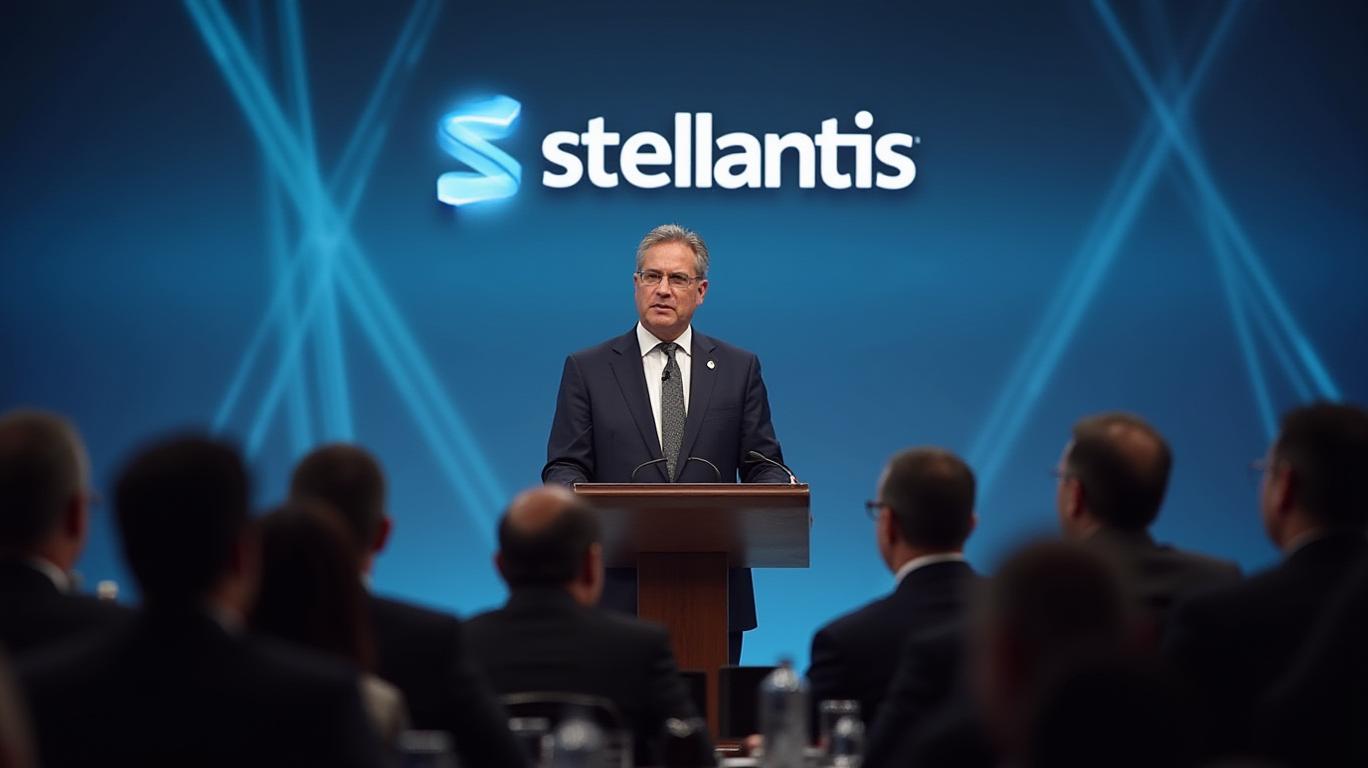
Stellantis Chairman John Elkann recently addressed the significant impact of U.S. tariffs on the automotive industry during the company's annual shareholder meeting in Amsterdam. Elkann highlighted that the sector is not only affected by the tariffs imposed by former U.S. President Donald Trump on automobiles but also by additional tariffs on aluminum, steel, and various components. This multilayered tariff structureGPCR-- has created substantial challenges for the industry, complicating supply chains and increasing production costs.
Elkann's remarks underscore the broader regulatory and policy pressures facing the automotive sector. He noted that both the U.S. and Europe are imposing significant burdens through their policies, including tariffs and emission regulations. These measures, while aimed at different objectives, collectively exert immense pressure on the industry, forcing companies to navigate complex regulatory landscapes and adapt to changing market conditions.
The impact of these tariffs extends beyond immediate financial implications. The automotive industry relies heavily on global supply chains, and the imposition of tariffs disrupts these networks, leading to increased costs and potential delays in production. For StellantisSTLA--, which operates on a global scale, these disruptions can have far-reaching consequences, affecting everything from manufacturing efficiency to market competitiveness.
Elkann's comments also reflect a broader concern within the industry about the unpredictability of future policies. The ongoing trade tensions and the potential for further tariffs create an environment of uncertainty, making it difficult for companies to plan and invest with confidence. This uncertainty is compounded by the evolving regulatory landscape, particularly in areas such as emissions and sustainability, where both the U.S. and Europe are implementing stringent standards.
In response to these challenges, Stellantis and other automotive companies are likely to focus on diversifying their supply chains and exploring alternative sourcing strategies. This could involve investing in local production facilities to reduce reliance on imports or seeking partnerships with suppliers in regions less affected by tariffs. Additionally, companies may need to enhance their operational flexibility to quickly adapt to changing regulatory environments and market conditions.
The automotive industry's response to these challenges will be crucial in determining its long-term viability and competitiveness. As companies like Stellantis navigate the complexities of global trade and regulation, their strategies will not only shape their own futures but also influence the broader industry landscape. The ability to innovate and adapt in the face of these pressures will be key to sustaining growth and maintaining market leadership.

Manténganse al tanto de las noticias de Wall Street en tiempo real.
Latest Articles
Stay ahead of the market.
Get curated U.S. market news, insights and key dates delivered to your inbox.




Comments
No comments yet