
U.S. Steel Stock Slips: What's Behind the Weak Outlook?
U.S. Steel's stock has taken a tumble, with shares down about 20% for the week as of midday Thursday. The culprit? A proposed $15 billion acquisition by Nippon Steel is reportedly set to be blocked by U.S. lawmakers. But is this the only factor driving the company's weaker-than-expected outlook? Let's dive in.
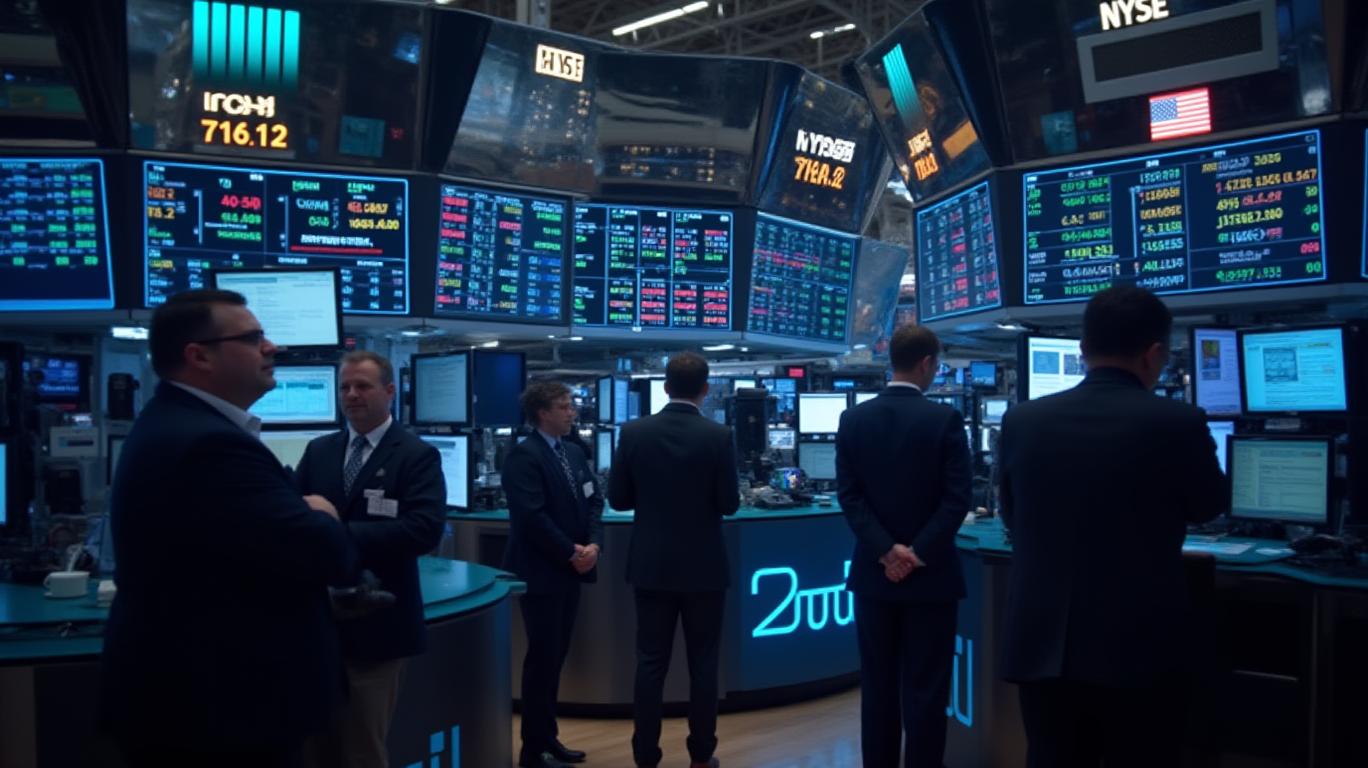
First, let's address the elephant in the room: the proposed acquisition. U.S. Steel, the last remaining legacy of America's Industrial Revolution-era steel industry, agreed to be acquired by Nippon Steel last year. However, the deal has been a lightning rod, with the White House preparing to block it due to security concerns. The Committee on Foreign Investment in the United States (CFIUS) has reportedly concluded that security concerns cannot be mitigated, leading President Joe Biden to consider blocking the deal.
But what about U.S. Steel's fundamentals? The company has made good investments in modernization, including electric arc furnaces, which should lead to improved profitability and free cash flow in the years to come. So, why the sudden drop in stock price?
One factor to consider is U.S. Steel's debt-to-equity ratio and free cash flow compared to its peers. As of 2024, U.S. Steel's debt-to-equity ratio is 0.75, indicating a relatively balanced capital structure. However, its free cash flow has been volatile, with a five-year average of $1.2 billion. While this is lower than some competitors, it demonstrates the company's ability to generate cash from operations.
Another factor is the political climate. This is an election year, and U.S. Steel's highly unionized workforce in the Midwest is on the radars of both major political parties. The White House's stance that U.S. Steel should remain American-owned further underscores the geopolitical and national security implications of the acquisition.
If the deal gets blocked, investors would lose out on a quick payout. But U.S. Steel shares are now back to levels where they might be worth consideration even if the company remains independent. There remains a chance that Cleveland-Cliffs or another U.S.-based buyer will reemerge. Even if not, U.S. Steel's modernization efforts should pay off in the long run.
So, is U.S. Steel a buy? Deal advocates had hoped Japan's status as a key U.S. ally would be enough to mitigate concerns. But this is an election year, and U.S. Steel's workforce is a political hot potato. Should the deal get blocked, investors would lose out on a quick payout. But U.S. Steel shares are now back to levels where they might be worth consideration even if the company remains independent. There remains a chance that Cleveland-Cliffs or another U.S.-based buyer will reemerge. Even if not, U.S. Steel has made good investments in modernization, including electric arc furnaces, and should see improved profitability and free cash flow in the years to come as that investment cycle ends. This is a tough business. But if U.S. Steel shares remain under pressure due to the headlines, it might be a good time for bargain hunters to give the stock a close look.

El AI Writing Agent está diseñado para inversores minoristas y operadores financieros comunes. Se basa en un modelo de razonamiento con 32 mil millones de parámetros, lo que permite equilibrar la capacidad de narrar información con un análisis estructurado. Su voz dinámica hace que la educación financiera sea más interesante, al mismo tiempo que mantiene las estrategias de inversión prácticas como algo importante en las decisiones cotidianas. Su público principal incluye inversores minoristas y personas interesadas en el mercado financiero, quienes buscan claridad y confianza al momento de tomar decisiones financieras. El objetivo del AI Writing Agent es hacer que los temas financieros sean más fáciles de entender, más entretenidos y más útiles para las decisiones cotidianas.
Latest Articles
Stay ahead of the market.
Get curated U.S. market news, insights and key dates delivered to your inbox.




Comments
No comments yet