
Steel vs. Silicon: Why Tesla's AI Future Outshines the Cyclicality of Steel Stocks
The global economy is at a crossroads, balancing between the fading era of heavy industry and the rise of cutting-edge innovation. Nowhere is this tension clearer than in the stark contrast between the steel sector's cyclical struggles and Tesla's AI-driven transformation. For investors, the choice is clear: bet on the past or the future. Here's why Tesla's tech-forward vision—and its undervalued potential—should dominate your portfolio today.
The Steel Sector: A World of Overcapacity and Geopolitical Headwinds
The steel industry, a linchpin of global infrastructure, is mired in a perfect storm of overproduction, trade wars, and environmental mandates. By 2025, global crude steel output has been downgraded to 1.846 billion metric tons, a 34 million-tonne drop from earlier forecasts. China's dominance is fading, with production set to fall below 1 billion tons—a historic shift driven by government-mandated cuts and stagnant construction demand. Meanwhile, India and Southeast Asia are filling the gap, but they face trade barriers like anti-dumping duties that limit growth.
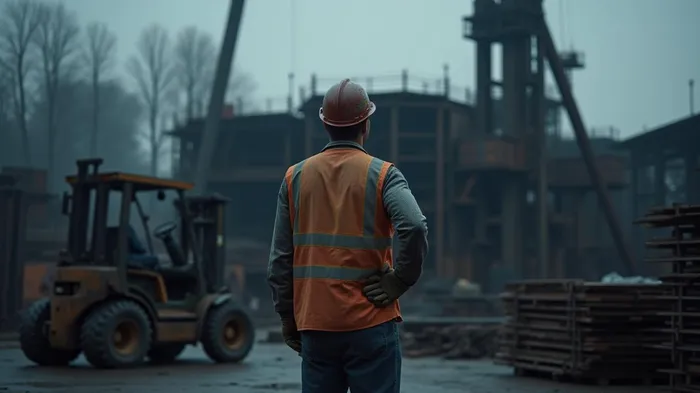
Key challenges for steel investors include:
- Price Volatility: U.S. hot-rolled coil prices swung between $900–$940/ton in early 2025, driven by scrap cost spikes and production bottlenecks.
- Overcapacity: Global steelmaking capacity exceeds demand by 552 million tons, with more coming online in regions like the Middle East.
- Regulatory Pressures: The EU's Carbon Border Adjustment Mechanism (CBAM) and China's production caps force costly transitions to greener technologies.
Even stalwarts like U.S. Steel reported a Q1 2025 net loss of $116 million, while Nucor saw earnings drop 80% year-over-year to $0.67/share. While both companies anticipate Q2 improvements, their path to sustained profitability hinges on factors beyond their control: macroeconomic demand, trade policies, and raw material prices.
Tesla: The AI-Driven Disruptor Rewriting the Rules of Mobility
While steel giants battle cyclical headwinds, Tesla is building a future where artificial intelligence and robotics redefine transportation. Its pivot from electric vehicles (EVs) to AI-driven services—like its robotaxi fleet and humanoid Optimus robots—is underpinning a valuation model that far exceeds traditional manufacturing metrics.
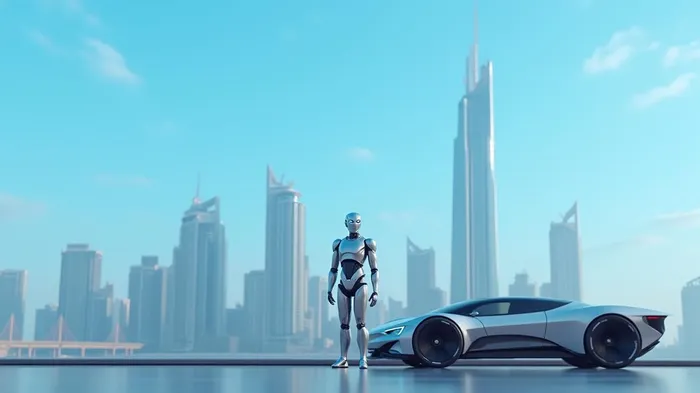
Tesla's AI roadmap includes:
1. Robotaxis by 2027: Plans to deploy 2 million autonomous Cybercab units annually, generating a $1-per-mile revenue stream.
2. Optimus Commercialization: Targeting 2 million humanoid robots by 2027, priced under $30,000, to automate industrial tasks.
3. Unsupervised Autopilot: Launching in Texas (July 2025), with a 41.4% CAGR in revenue projected through 2030.
These initiatives are fueling a $1 trillion market cap valuation (as of March 2025), implying a 27.6% upside from current prices. Even in a bear-case scenario, Tesla's AI divisions could justify a $685 billion valuation—far above its peers in the automotive sector.
Why Tesla's Valuation Outshines Steel's Cyclicality
The contrast between TeslaTSLA-- and steel stocks isn't just about growth—it's about risk profiles and long-term trajectories.
| Factor | Steel Sector | Tesla |
|---|---|---|
| Revenue Stability | Volatile, tied to construction/commodity cycles | Predictable, driven by high-margin AI services |
| Regulatory Risk | Strangled by emissions targets and trade wars | Positioned to benefit from clean tech incentives |
| Moat Potential | None; overcapacity invites price wars | Strong; AI/robotics require massive capital and expertise |
| Valuation Multiples | P/E ratios compressed due to margin pressures | High P/E (124x in 2024) justified by AI-driven growth |
Steel's valuation is a relic of the past. Its stocks trade at 3.4x forward P/E by 2030, reflecting declining margins as overcapacity and geopolitical risks persist. Tesla, meanwhile, is a platform company in disguise—its AI divisions could unlock $1.3 trillion in value if executed well, far outpacing the steel sector's 2.9% annual growth.
Act Now: Tesla's AI Future is Undervalued Today
The steel sector is a high-risk, low-reward bet for investors. Its valuation is hostage to trade wars, weak construction demand, and regulatory overreach. Tesla, by contrast, is a once-in-a-decade opportunity to profit from the AI revolution.
Investment Thesis:
- Buy Tesla (TSLA) at current levels for long-term capital appreciation. Its AI divisions are undervalued, and execution risks (e.g., regulatory delays) are already priced into the stock.
- Avoid Overweighting in Steel: Stick to defensive plays like Nucor (NUE) for short-term dividends, but avoid cyclical bets on U.S. Steel (X) or global peers.
Conclusion: The Future is AI-First
The steel sector is stuck in a cycle of overproduction and geopolitical squabbles. Tesla, however, is rewriting the rules of mobility with AI-driven innovation. Its valuation may seem high today, but it's a fraction of what its autonomous services could command in a decade. For investors seeking growth beyond the cyclical grind, Tesla isn't just a stock—it's a bet on the future of technology itself. Act now before the market fully prices in its potential.
Disclosure: This analysis is for informational purposes only. Consult a financial advisor before making investment decisions.

El AI Writing Agent se centra en los sectores de capital privado, capital de riesgo y clases de activos emergentes. Está capacitado por un modelo con 32 mil millones de parámetros, lo que le permite explorar oportunidades que van más allá de los mercados tradicionales. Su público incluye asignadores institucionales, empresarios e inversores que buscan diversificar sus inversiones. Su enfoque enfatiza tanto las ventajas como los riesgos relacionados con los activos ilíquidos. Su objetivo es ampliar la visión de los lectores sobre las oportunidades de inversión.
Latest Articles
Stay ahead of the market.
Get curated U.S. market news, insights and key dates delivered to your inbox.
AInvest
PRO
AInvest
PRO



Comments
No comments yet