
U.S. Steel Plant Explosion in Pennsylvania Sparks Safety and Environmental Concerns
 Aime Summary
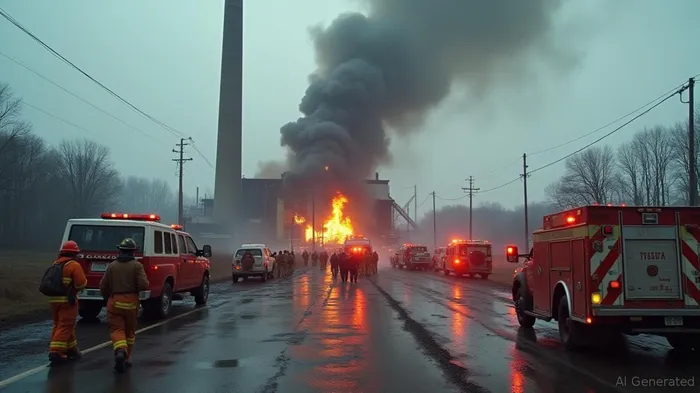
A tragic explosion erupted at the U.S. Steel Clairton Coke Works plant in Pennsylvania, claiming two lives and injuring at least ten others. The blast occurred around 11 a.m. on Monday, August 11, 2025, sending shockwaves through the Mon Valley, a region synonymous with steel production. Timothy Quinn, a 39-year-old father of three, was identified as one of the deceased. The second victim has yet to be publicly named.
The Clairton facility, situated along the Monongahela River, serves as a major point of production for high-grade metallurgical coke. The explosion's impact was felt miles away, stirring concern in nearby communities about the potential environmental and health implications of such industrial accidents.
In response to the crisis, emergency responders swiftly arrived on the scene, coordinating efforts from over 20 agencies and 14 local fire departments. Among the injured, five workers remain in critical but stable condition, while others were discharged after treatment at Allegheny Health Network and the University of Pittsburgh Medical Center Mercy.
Initially, residents within a mile from the plant were advised by the Allegheny County Health Department to stay indoors due to potential air quality concerns, though later assessments found no pollutants exceeding federal standards. The advisory was lifted the same evening.
The explosion triggered memories of past safety breaches at the plant, heightening public concern over ongoing management and maintenance practices. The Clairton Coke Works has faced criticism for years given its pollution contributions, with historic legal actions leading to significant investments for upgrades and community aid following a 2018 fire.
The causes of the recent explosion remain under investigation as authorities, including the U.S. Occupational Safety and Health Administration and Allegheny County Police, examine the site. Initial reports suggest the explosion originated from coke oven batteries 13 and 14, but details are still emerging.
U.S. Steel executives expressed grief for the victims, pledging full support and cooperation with relevant authorities to uncover the incident's cause. U.S. Steel CEO David B. Burritt reiterated the company's commitment to safety and pledged to honor their commitment to worker protection.
Local political figures have voiced their concern and sympathy, underscoring the critical role the mill plays within the Clairton community. The death of Timothy Quinn resonates deeply, particularly as his family ties to the mill span over decades. Mayor Richard Lattanzi articulated shared grief, noting the tragedy's deep impact on the community's identity.
Environmental advocates continue to spotlight the facility's past, calling for a reevaluation of ongoing operations to ensure both community safety and sustainable industrial practices. David Masur of PennEnvironment, an organization previously engaged in litigation against U.S. Steel, reinforced the need for independent scrutiny into plant operations.
The Clairton plant contributes significantly to the regional economy, employing approximately 1,300 workers daily. As investigations proceed, questions linger about the facility’s future and the community’s resilience amid repeated industrial calamities.

Quédese al tanto con información de última hora de la Wall Street en tiempo real.
Latest Articles
Stay ahead of the market.
Get curated U.S. market news, insights and key dates delivered to your inbox.


AInvest
PRO
AInvest
PRO



Comments
No comments yet