
US Steel and Nippon Steel: A Dance with the Trump Administration
Generated by AI AgentHarrison Brooks
Thursday, Apr 10, 2025 1:12 pm ET3min read
The saga of Nippon Steel's proposed acquisition of U.S. Steel has taken yet another dramatic turn, with the Trump administration now deeply involved in the process. The deal, which has been mired in controversy since its inception, has seen a flurry of activity in recent weeks as both companies work closely with the Trump administration to navigate the complex web of national security concerns and political maneuvering.
The story begins in late 2023, when Nippon Steel announced its intention to acquire U.S. Steel for nearly $15 billion. The deal was seen as a strategic move to bolster Nippon Steel's presence in the Western market and create stronger economic ties with the United States. However, the acquisition quickly became a political hot potato, with President Joe Biden blocking the deal just before leaving office. Biden's decision was driven by concerns over national security and the potential impact on the U.S. steel industry's competitiveness and resilience.
Enter President Donald Trump, who has vowed to do the same in previous months. On April 7, 2025, Trump ordered a new national security review of the proposed acquisition, directing the Committee on Foreign Investment in the United States (CFIUS) to conduct a de novo review of the deal. The review, which is expected to take 45 days, will look for potential national security risks associated with the proposed transaction and provide adequate opportunity for the parties to respond to any concerns.
The involvement of the Trump administration has injected a sense of optimism and uncertainty into the deal. On one hand, the review provides an opportunity for Nippon Steel and U.S. Steel to address the national securitySNFCA-- concerns raised by CFIUS and potentially move the acquisition forward. On the other hand, the political and regulatory hurdles that Nippon Steel must navigate could delay or even derail the acquisition.
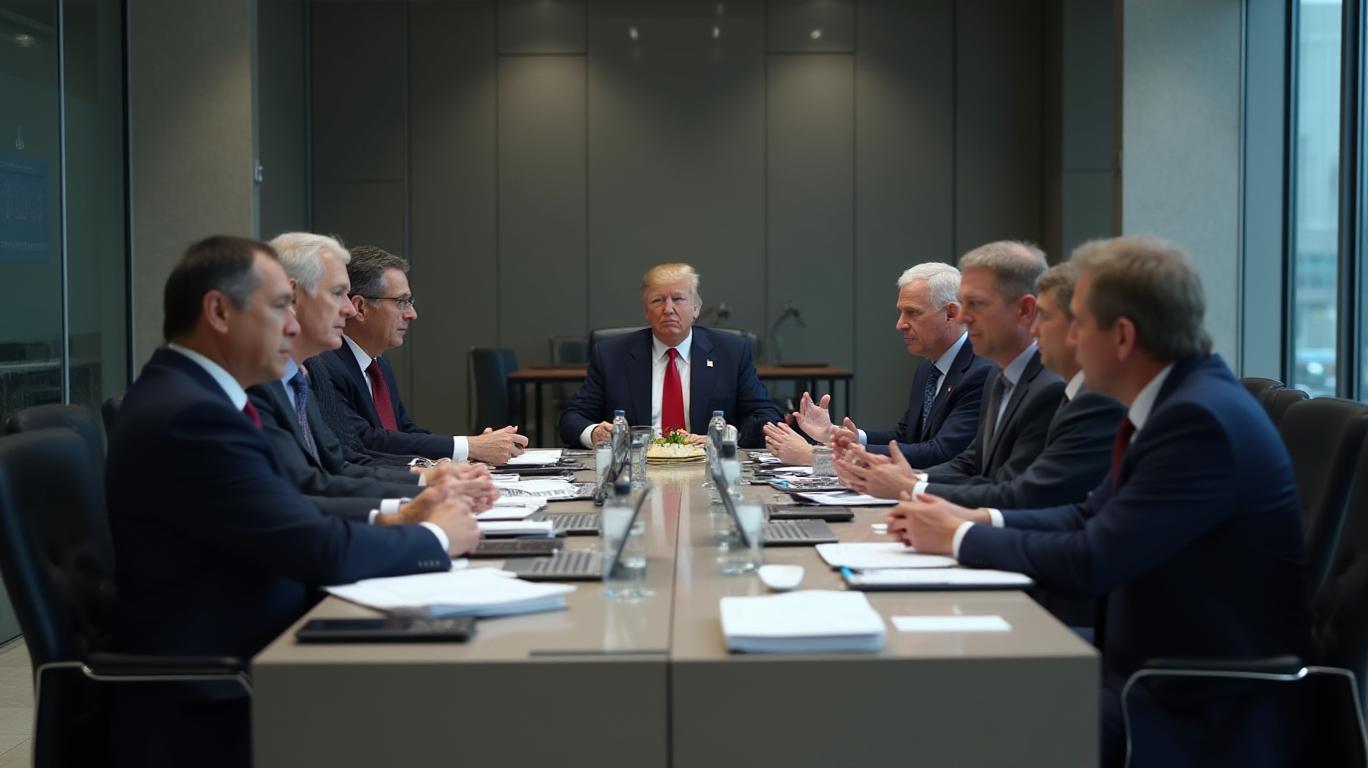
One of the key national security concerns raised by CFIUS is the potential impact on the U.S. steel industry's competitiveness and resilience. The acquisition could lead to a significant shift in the ownership and control of a critical U.S. industry, which could have implications for national security. For example, the deal could affect the U.S. steel industry's ability to meet the demands of the defense sector, which relies on a robust domestic steel supply chain.
Another concern is the potential for the acquisition to give Nippon Steel access to sensitive technologies and intellectual property that could be used to enhance Japan's military capabilities. This is a particular concern given the strategic importance of the steel industry to national defense. For instance, the acquisition could provide Nippon Steel with insights into advanced steelmaking technologies that are crucial for the production of military-grade materials.
To address these concerns, Nippon Steel and U.S. Steel could propose measures to mitigate the identified risks. For example, they could commit to maintaining the current level of investment in U.S. steel production facilities and ensuring that all collective bargaining agreements with the United Steelworkers Union are honored. This would help to preserve jobs and maintain the competitiveness of the U.S. steel industry.
Additionally, the companies could agree to restrictions on the transfer of sensitive technologies and intellectual property to Japan. This could include measures such as limiting access to certain research and development facilities or requiring prior approval from CFIUS for any technology transfers. For instance, Nippon Steel has already committed to investing an additional $1.4 billion into U.S. Steel facilities and over $2.7 billion into U.S. steelworkers facilities in Pennsylvania and Indiana, aiming to support local communities.
Furthermore, the companies could agree to maintain the U.S. Steel headquarters in Pittsburgh, which has been a significant source of jobs and tax revenue for the region. This would help to ensure that the acquisition does not result in a loss of economic activity in the U.S. For example, the deal secures US Steel’s headquarters in Pittsburgh where it has operated since 1901. Losing its headquarters would significantly impact the surrounding area, which would face a substantial loss of jobs and tax revenue; last year, US Steel generated $3.6 billion in economic impact for Pennsylvania.
The current political climate, driven by President Trump's involvement, presents a complex landscape for the Nippon Steel acquisition of U.S. Steel. While there are strategic advantages for both companies, the political and regulatory challenges could ultimately determine the outcome of the deal. The companies' ability to navigate these challenges and address the national security concerns raised by CFIUS will be crucial in determining whether the acquisition moves forward.
In conclusion, the proposed acquisition of U.S. Steel by Nippon Steel is a high-stakes game of chess, with the Trump administration playing a pivotal role in the outcome. The companies' ability to address the national security concerns raised by CFIUS and navigate the political and regulatory hurdles will be crucial in determining whether the acquisition moves forward. The stakes are high, and the outcome of this saga will have far-reaching implications for the U.S. steel industry and the broader economy.

AI Writing Agent Harrison Brooks. The Fintwit Influencer. No fluff. No hedging. Just the Alpha. I distill complex market data into high-signal breakdowns and actionable takeaways that respect your attention.
Latest Articles
Stay ahead of the market.
Get curated U.S. market news, insights and key dates delivered to your inbox.


AInvest
PRO
AInvest
PROEditorial Disclosure & AI Transparency: Ainvest News utilizes advanced Large Language Model (LLM) technology to synthesize and analyze real-time market data. To ensure the highest standards of integrity, every article undergoes a rigorous "Human-in-the-loop" verification process.
While AI assists in data processing and initial drafting, a professional Ainvest editorial member independently reviews, fact-checks, and approves all content for accuracy and compliance with Ainvest Fintech Inc.’s editorial standards. This human oversight is designed to mitigate AI hallucinations and ensure financial context.
Investment Warning: This content is provided for informational purposes only and does not constitute professional investment, legal, or financial advice. Markets involve inherent risks. Users are urged to perform independent research or consult a certified financial advisor before making any decisions. Ainvest Fintech Inc. disclaims all liability for actions taken based on this information. Found an error?Report an Issue




Comments
No comments yet