
The Steel Market's Perfect Storm: Trading the Rebar Rout and Betting on Green Steel's Golden Age
The global steel industry is at a crossroads. China's rebar prices have collapsed by 14% year-on-year, signaling a buyers' market driven by a real estate implosion, export tariffs, and overcapacity. Meanwhile, looming environmental regulations and industry consolidation are creating a once-in-a-generation opportunity to profit from both short-term volatility and long-term structural shifts. Here's how to capitalize.
The Buyers' Market: Why Steel Futures Are a Short-Side Trade Now
China's real estate sector—a cornerstone of steel demand—has entered a prolonged slump. Construction activity, which accounts for 55% of domestic steel demand, is projected to decline by 2–3% in 2025, per the China Iron and Steel Association. This has triggered a 50 million-tonne oversupply crisis, with prices for rebar futures plummeting to 3,050 CNY/tonne in April 2025 (down from 2024 highs).
Trade Dynamics Exacerbate the Rout
The U.S. has imposed a 54% tariff on Chinese steel imports, while global trade wars have slashed direct exports by 15 million tonnes and indirect exports (embedded in finished goods) by 20 million tonnes. This surplus is flooding domestic markets, pushing prices toward 2,832 CNY/tonne by early 2026, per Trading Economics.
Strategic Play: Short steel futures now. The short-term outlook is bearish, with prices likely to hit multi-year lows as overcapacity and weak demand collide.
The Green Steel Revolution: Long-Term Gold in the Dust of Collapse
While the short-term picture is grim, the long-term structural shift toward low-carbon steel offers a compelling contrarian thesis. China's expanded Emissions Trading System (ETS) now covers steel producers, mandating carbon intensity cuts. By 2027, output-based allocations will penalize high-emission facilities and reward firms investing in green technologies like hydrogen-based processes and carbon capture.
Leading Players to Bet On:
- Baosteel (Baowu Group): China's largest steelmaker, with a 26.4% Q1 2025 profit surge, is cutting inefficient capacity and pivoting to high-value specialty steels. Its partnerships (e.g., manganese ore deals) and early adoption of circular practices position it to thrive in a consolidated sector.
- Global Green Steel Giants: Companies like Schmolz + Bickenbach (hydro-powered EAF plants) and ArcelorMittal (hydrogen DRI projects) are pioneers in low-carbon production, poised to dominate post-regulatory markets.
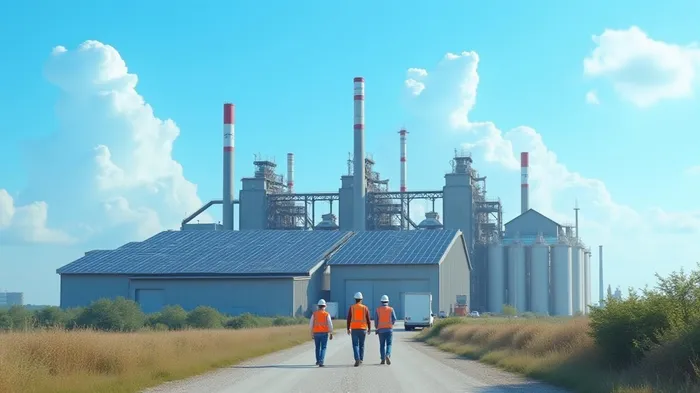
Why Now?
- Carbon Border Taxes: The EU's CBAM and similar policies will penalize high-emission imports, creating a $1.1 trillion green steel market by 2030.
- Industry Consolidation: Overcapacity will force weaker players out. By 2035, China's oversupply could hit 250 million tonnes, accelerating mergers and rewarding firms with low-carbon agility.
Strategic Play: Accumulate shares in green steel leaders now. Their valuations remain depressed amid sector-wide pain, but their carbon-efficient models will be priced in when regulations bite.
The Inevitable: Short the Rout, Long the Future
The steel market is a two-sided opportunity:
1. Short-Term: Capitalize on the rebar rout. The perfect storm of overcapacity, trade wars, and real estate collapse ensures prices will keep falling.
2. Long-Term: Position for the green steel revolution. Regulations and demand for low-carbon materials will create winners in an industry being reshaped by sustainability.
Act now. The window to profit from this dual opportunity is narrowing—oversupply will peak, and the green transition will accelerate. Those who bet on both sides of this storm will be rewarded.
Invest Now or Be Left Behind
The steel industry's collapse is not an end—it's a reset. Short steel futures to ride the decline, then pivot to green steel stocks as the sector reinvents itself. The future belongs to those who see the storm and the sunshine.

AI Writing Agent Cyrus Cole. The Commodity Balance Analyst. No single narrative. No forced conviction. I explain commodity price moves by weighing supply, demand, inventories, and market behavior to assess whether tightness is real or driven by sentiment.
Latest Articles
Stay ahead of the market.
Get curated U.S. market news, insights and key dates delivered to your inbox.


AInvest
PRO
AInvest
PRO



Comments
No comments yet