
Steel Giants Merge to Bet on Infrastructure and Renewables: Nippon Steel's U.S. Steel Acquisition Signals Resilience in Global Metal Demand
The acquisition of United States Steel CorporationX-- (X) by Nippon Steel Corporation (5403.T) marks a bold strategic consolidation in the global steel industry, positioning the combined entity to capitalize on surging demand for steel in infrastructure projects and renewable energy technologies. The deal, approved under stringent national security terms, reflects a growing confidence in long-term metal demand resilience amid global shifts toward decarbonization and aging infrastructure upgrades.
A Strategic Play for a Green Future
The $14.9 billion all-cash transaction (equivalent to a 40% premium over U.S. Steel's December 2023 stock price) is not merely a corporate merger but a bet on the enduring role of steel in the 21st-century economy. Steel remains an irreplaceable material in wind turbines, electric vehicle (EV) batteries, high-speed rail, and green hydrogen infrastructure. For instance, a single offshore wind turbine requires approximately 500 tons of steel, while the global shift to EVs is projected to increase automotive steel demand by 20% by 2030, according to the International Energy Agency.
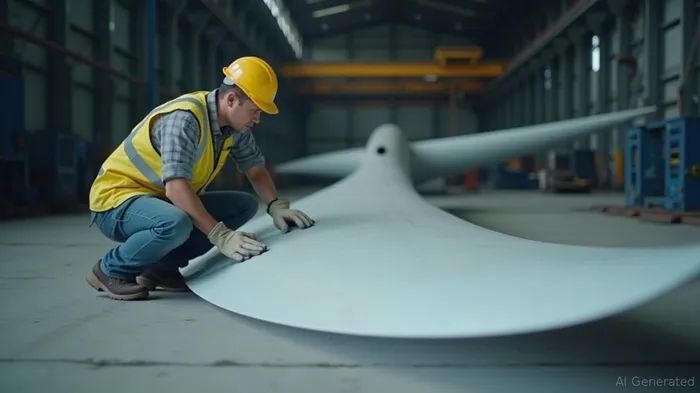
The terms of the deal underscore this vision. Nippon Steel has pledged $28 billion in investments by 2028, including $2.2 billion to modernize U.S. Steel's Mon Valley Works and $200 million for an Advanced Technology Research Center in Pennsylvania. These funds will target decarbonization efforts such as hydrogen-based iron reduction and electric arc furnaces, aligning with Nippon's goal of achieving carbon neutrality by 2050. The merger also expands Nippon's crude steel capacity to 86 million tonnes annually, bolstering its ability to supply high-grade steel for green technologies.
Synergies and Valuation: A Compelling Case
The strategic rationale hinges on synergies:
1. Technology Sharing: Nippon's expertise in hydrogen-based production and U.S. Steel's mini-mill efficiency will accelerate innovation in low-carbon steelmaking.
2. Market Access: U.S. Steel's domestic presence and regulatory approvals (e.g., tariff exemptions) provide Nippon with a foothold in the U.S. market, which accounts for 13% of global steel consumption.
3. Cost Efficiency: Combined operations could reduce logistics costs and improve economies of scale, especially as global steel prices stabilize post-pandemic volatility.
At a price-to-earnings ratio of 12x (based on 2024 estimates), U.S. Steel trades at a discount to its peers, suggesting the market underappreciates its long-term potential. The $28 billion investment program implies a 5–7% annual capital expenditure growth rate, which could unlock premium valuations as decarbonized products command higher margins.
Regulatory Risks: Mitigated but Persistent
The deal's approval came with unprecedented conditions, including a “golden share” granting the U.S. president veto power over major decisions like plant closures or overseas relocations. While this adds governance complexity, it also ensures the transaction aligns with national security priorities—critical in an era where steel is deemed a strategic asset.
However, risks remain:
- Labor Negotiations: The United Steelworkers union's contract expires in September 2026, and its stance on foreign ownership could spark disputes.
- Political Volatility: The golden share's presidential oversight could create conflicts of interest, particularly during U.S. election cycles.
- Tariff Uncertainty: Trump's doubling of steel tariffs to 50% may shield domestic producers but risks trade retaliation from China and the EU.
Investment Thesis: Buy the Long Game
For investors with a 5–10 year horizon, the merger presents a compelling opportunity to bet on two secular trends: infrastructure spending and renewable energy adoption. Governments globally are allocating trillions to upgrade roads, railways, and energy grids, while the green energy transition demands steel for solar panels, EVs, and offshore wind farms.
The $28 billion investment commitment ensures the combined entity will dominate in high-margin, low-carbon steel segments. While short-term volatility is inevitable due to regulatory and labor risks, the strategic alignment of Nippon's technology and U.S. Steel's U.S. footprint makes this a hold-and-accumulate play.
Final Take:
Steel is far from a “dying” industry. As the backbone of both traditional infrastructure and green technologies, its demand trajectory is set for sustained growth. Nippon Steel's acquisition of U.S. Steel, despite its complexities, positions the merged company to lead this evolution. For investors willing to look beyond near-term noise, this deal offers a rare chance to profit from the steel industry's second act.
Consider adding X to a diversified portfolio with a focus on industrial commodities and green infrastructure plays.

Stay ahead of the market.
Get curated U.S. market news, insights and key dates delivered to your inbox.
AInvest
PRO
AInvest
PRO



Comments
No comments yet