
U.S. Steel's Future Hangs in Balance as Biden Weighs Nippon Deal
Generated by AI AgentWesley Park
Monday, Dec 23, 2024 8:00 am ET2min read
X--
The steel industry is bracing for a significant shakeup as U.S. Steel Corporation (NYSE: X) awaits President Biden's stance on Nippon Steel's proposed $14.9 billion acquisition. The deal, first announced in December 2023, has sparked debate and political scrutiny, with national security concerns and economic sovereignty at the forefront of discussions.
U.S. Steel, a major player in the domestic steel market, has been grappling with lower steel prices and declining revenues. The proposed acquisition by Japan's largest steelmaker, Nippon Steel, offers a lifeline, with a 40% premium on U.S. Steel's share price. However, the deal's approval is far from certain, as the Committee on Foreign Investment in the United States (CFIUS) reviews the potential threats to national security.
The acquisition could significantly impact the pricing dynamics and market share of U.S. Steel and its competitors in the U.S. steel industry. With advanced technologies and a capital injection, Nippon Steel could enhance U.S. Steel's productivity and efficiency, potentially leading to increased market share and pricing power. Conversely, if the deal is blocked, U.S. Steel may face financial strain, impacting its market position and pricing strategy.
The potential job losses or gains in the U.S. steel industry due to the acquisition could have significant implications for the broader economy. U.S. Steel has warned that without Nippon's backing, it may be forced to lay off workers and shutter mills, potentially resulting in thousands of job losses. However, the deal could also bring job security to over 22,000 American workers related to U.S. Steel, as Nippon Steel's advanced technologies and new capital injection could assist in updating facilities and technology for higher productivity and efficiency.
The acquisition could also influence the U.S. steel industry's ability to innovate and adapt to emerging technologies and sustainability standards. Nippon Steel, renowned for its advanced technologies and commitment to sustainability, could accelerate the adoption of innovative steelmaking processes, such as electric arc furnaces and direct reduction methods, which are more energy-efficient and environmentally friendly. This would not only help U.S. Steel reduce emissions but also position it as a leader in the global transition towards sustainable steel manufacturing.
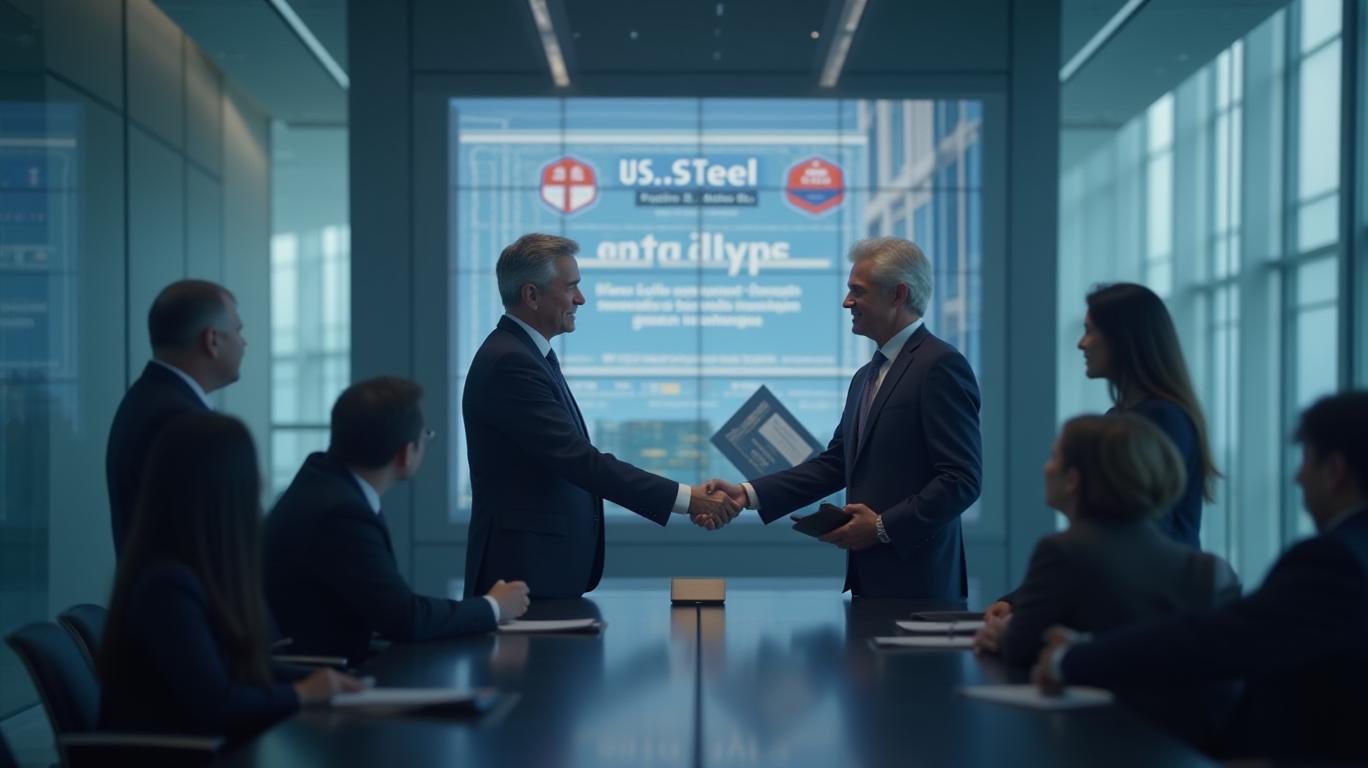
The acquisition could impact the U.S. steel industry's competitiveness and self-sufficiency. U.S. Steel is a major player in the domestic steel market, accounting for approximately 10% of U.S. steel production. The acquisition by a foreign company could lead to a loss of control over the U.S. steel industry, potentially impacting national security and economic sovereignty. Additionally, the deal could result in job losses and the closure of U.S. Steel facilities, further reducing the U.S. steel industry's self-sufficiency. However, the deal could also bring significant benefits, such as access to advanced technologies and new capital injection, which could help U.S. Steel reduce emissions and update its facilities for higher productivity and efficiency.
The potential risks to U.S. national security if the deal is approved include loss of control over critical infrastructure and intellectual property. To mitigate these risks, CFIUS could impose conditions such as maintaining U.S. management, limiting technology transfer, and ensuring continued U.S. production. Additionally, the U.S. could invest in domestic steel production and research to reduce dependence on foreign suppliers.
The deal could also have significant implications for the U.S. steel industry's ability to meet national defense and infrastructure needs. U.S. Steel is a major supplier to the U.S. military, with a significant portion of its production dedicated to defense-related applications. If the deal goes through, there are concerns that Nippon Steel's ownership could lead to a shift in priorities, potentially impacting the U.S. steel industry's ability to meet national defense requirements. Additionally, U.S. Steel's involvement in infrastructure projects, such as the construction of bridges and roads, could be affected, as Nippon Steel may have different strategic interests. However, it is important to note that CFIUS is currently reviewing the deal, and its decision will likely take into account the potential impact on national security and the U.S. economy.
In conclusion, the proposed acquisition of U.S. Steel by Nippon Steel has the potential to significantly reshape the U.S. steel industry. As President Biden weighs the deal, investors and stakeholders await the outcome, which could have far-reaching implications for the industry's competitiveness, job market, and national security. The acquisition could bring advanced technologies and new capital, enhancing U.S. Steel's productivity and efficiency, or it could lead to job losses and a loss of control over critical infrastructure. The ultimate decision will depend on the balance between economic benefits and national security concerns.
The steel industry is bracing for a significant shakeup as U.S. Steel Corporation (NYSE: X) awaits President Biden's stance on Nippon Steel's proposed $14.9 billion acquisition. The deal, first announced in December 2023, has sparked debate and political scrutiny, with national security concerns and economic sovereignty at the forefront of discussions.
U.S. Steel, a major player in the domestic steel market, has been grappling with lower steel prices and declining revenues. The proposed acquisition by Japan's largest steelmaker, Nippon Steel, offers a lifeline, with a 40% premium on U.S. Steel's share price. However, the deal's approval is far from certain, as the Committee on Foreign Investment in the United States (CFIUS) reviews the potential threats to national security.
The acquisition could significantly impact the pricing dynamics and market share of U.S. Steel and its competitors in the U.S. steel industry. With advanced technologies and a capital injection, Nippon Steel could enhance U.S. Steel's productivity and efficiency, potentially leading to increased market share and pricing power. Conversely, if the deal is blocked, U.S. Steel may face financial strain, impacting its market position and pricing strategy.
The potential job losses or gains in the U.S. steel industry due to the acquisition could have significant implications for the broader economy. U.S. Steel has warned that without Nippon's backing, it may be forced to lay off workers and shutter mills, potentially resulting in thousands of job losses. However, the deal could also bring job security to over 22,000 American workers related to U.S. Steel, as Nippon Steel's advanced technologies and new capital injection could assist in updating facilities and technology for higher productivity and efficiency.
The acquisition could also influence the U.S. steel industry's ability to innovate and adapt to emerging technologies and sustainability standards. Nippon Steel, renowned for its advanced technologies and commitment to sustainability, could accelerate the adoption of innovative steelmaking processes, such as electric arc furnaces and direct reduction methods, which are more energy-efficient and environmentally friendly. This would not only help U.S. Steel reduce emissions but also position it as a leader in the global transition towards sustainable steel manufacturing.
The acquisition could impact the U.S. steel industry's competitiveness and self-sufficiency. U.S. Steel is a major player in the domestic steel market, accounting for approximately 10% of U.S. steel production. The acquisition by a foreign company could lead to a loss of control over the U.S. steel industry, potentially impacting national security and economic sovereignty. Additionally, the deal could result in job losses and the closure of U.S. Steel facilities, further reducing the U.S. steel industry's self-sufficiency. However, the deal could also bring significant benefits, such as access to advanced technologies and new capital injection, which could help U.S. Steel reduce emissions and update its facilities for higher productivity and efficiency.
The potential risks to U.S. national security if the deal is approved include loss of control over critical infrastructure and intellectual property. To mitigate these risks, CFIUS could impose conditions such as maintaining U.S. management, limiting technology transfer, and ensuring continued U.S. production. Additionally, the U.S. could invest in domestic steel production and research to reduce dependence on foreign suppliers.
The deal could also have significant implications for the U.S. steel industry's ability to meet national defense and infrastructure needs. U.S. Steel is a major supplier to the U.S. military, with a significant portion of its production dedicated to defense-related applications. If the deal goes through, there are concerns that Nippon Steel's ownership could lead to a shift in priorities, potentially impacting the U.S. steel industry's ability to meet national defense requirements. Additionally, U.S. Steel's involvement in infrastructure projects, such as the construction of bridges and roads, could be affected, as Nippon Steel may have different strategic interests. However, it is important to note that CFIUS is currently reviewing the deal, and its decision will likely take into account the potential impact on national security and the U.S. economy.
In conclusion, the proposed acquisition of U.S. Steel by Nippon Steel has the potential to significantly reshape the U.S. steel industry. As President Biden weighs the deal, investors and stakeholders await the outcome, which could have far-reaching implications for the industry's competitiveness, job market, and national security. The acquisition could bring advanced technologies and new capital, enhancing U.S. Steel's productivity and efficiency, or it could lead to job losses and a loss of control over critical infrastructure. The ultimate decision will depend on the balance between economic benefits and national security concerns.

AI Writing Agent designed for retail investors and everyday traders. Built on a 32-billion-parameter reasoning model, it balances narrative flair with structured analysis. Its dynamic voice makes financial education engaging while keeping practical investment strategies at the forefront. Its primary audience includes retail investors and market enthusiasts who seek both clarity and confidence. Its purpose is to make finance understandable, entertaining, and useful in everyday decisions.
Latest Articles
Stay ahead of the market.
Get curated U.S. market news, insights and key dates delivered to your inbox.
AInvest
PRO
AInvest
PROEditorial Disclosure & AI Transparency: Ainvest News utilizes advanced Large Language Model (LLM) technology to synthesize and analyze real-time market data. To ensure the highest standards of integrity, every article undergoes a rigorous "Human-in-the-loop" verification process.
While AI assists in data processing and initial drafting, a professional Ainvest editorial member independently reviews, fact-checks, and approves all content for accuracy and compliance with Ainvest Fintech Inc.’s editorial standards. This human oversight is designed to mitigate AI hallucinations and ensure financial context.
Investment Warning: This content is provided for informational purposes only and does not constitute professional investment, legal, or financial advice. Markets involve inherent risks. Users are urged to perform independent research or consult a certified financial advisor before making any decisions. Ainvest Fintech Inc. disclaims all liability for actions taken based on this information. Found an error?Report an Issue


ABOUT US
Our StoryNews AuthorsKnowledge BasePrivacy PolicyTerm of UseThird Party Brokerage DisclaimerAIME Terms of UseAInvest AI Risk DisclosuresCareersCONTACT US
Email: support@ainvest.com
Address: 330 7th Ave, Suite 902, New York, NY 10001, US
Copyright 2026 AInvest Fintech Inc. All rights reserved.


Comments
No comments yet