
Staten Island's Real Estate Renaissance: Infrastructure and Demographics Fuel Growth Opportunities
The once-overlooked borough of Staten Island is undergoing a transformation, driven by ambitious infrastructure projects and demographic shifts that are reshaping its real estate landscape. A confluence of factors—from the $400 million North Shore Action Plan to a diversifying population—positions Staten Island as a compelling investment opportunity in New York City's housing market. This article explores how these trends are boosting property values, attracting new residents, and creating opportunities for investors.
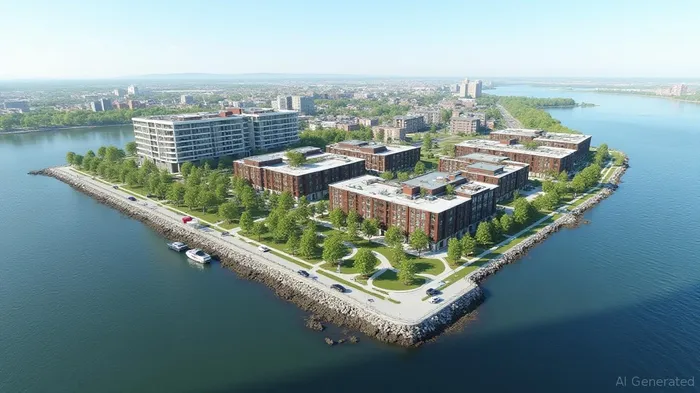
Infrastructure Development: The Engine of Revitalization
At the heart of Staten Island's resurgence is the North Shore Action Plan, a $400 million initiative launched in 2023. The plan's crown jewel is the New Stapleton Waterfront, a 38-acre mixed-use development converting a former U.S. naval base into 2,400 residential units (25% affordable), a public school, and 20 acres of green space. Construction milestones, such as the completion of the Mary Cali Dalton Recreation Center in 2024 and the Tompkinsville Esplanade in 2025, underscore progress. The project's use of mass timber construction—a first for large-scale residential development in the Northeast—also aligns with Mayor Adams' sustainability goals, reducing carbon footprints and creating jobs in green manufacturing.
Transportation upgrades are further improving accessibility. The Staten Island Ferry, which returned its concessions in 2024, is exploring expanded high-speed routes to Brooklyn. Meanwhile, pedestrian-friendly corridors and enhanced bus routes aim to reduce car dependency in areas like Great Kills, where 72% of residents currently drive to work.
Demographic Shifts: A Diverse, Aging Population
Staten Island's population grew 6.4% from 2010 to 2025, reaching 492,925 residents. While the Italian American population declined by over 20%, other groups are surging:- Ethiopian residents increased 347.8% (46 to 206)- Latvian residents rose 337.3% (142 to 621)- Israeli residents grew 227.8% (759 to 2,488)
The median household income of $99,170 (25% above the NYC average) and a 54.5% white population highlight Staten Island's suburban appeal. However, challenges persist: 13.2% of residents live in poverty, with seniors facing a 14.8% poverty rate. This aging population (17.7% over 65) is driving demand for senior-friendly housing, such as the 90-unit senior rental component of the Hillside Grove development.
Real Estate Market Dynamics: Opportunities and Risks
Affordable Housing Boom
Projects like Hillside Grove—a 232-unit mixed-income complex—highlight Staten Island's push to balance affordability and growth. Two-thirds of its units target extremely low- and very low-income households, while 60 units are reserved for families exiting homelessness. Such developments mitigate displacement risks but face headwinds: 825 subsidized units risk losing affordability by 2030 due to expiring agreements.
Price Growth and Rental Pressure
Median home prices hit $665,000 for single-family homes in 2023, up 38% since 2014. Rents, meanwhile, rose 16.7% since 2006 to $1,750/month, with 31.6% of renters spending over 50% of income on housing. The 5.4% rental vacancy rate underscores tight supply, favoring landlords but squeezing buyers.
Investment Opportunities
- Core Assets: Invest in mixed-income developments like Stapleton or Hillside Grove, which offer steady rental income and long-term appreciation.
- Senior Housing: Target age-restricted complexes or retrofit existing properties to meet seniors' needs.
- Green Real Estate: The mass timber trend positions Staten Island as a leader in sustainable construction. Developers using eco-friendly materials may qualify for tax incentives.
Risks to Monitor
- Construction Delays: Only 326 housing units were permitted in 2024, down from 2023, raising concerns about supply shortages.
- Funding Gaps: The North Shore Action Plan relies on public-private partnerships; delays in funding could stall progress.
- Subsidy Expirations: Affordable units losing subsidies could lead to gentrification or housing shortages.
Conclusion: A Strategic Investment Play
Staten Island's blend of infrastructure upgrades, demographic diversity, and affordability-driven demand makes it a standout NYC real estate market. Investors should prioritize developments tied to the North Shore Action Plan, focus on multifamily or senior housing, and monitor subsidies. While risks like expiring affordability agreements exist, the borough's suburban charm and proximity to Manhattan make it a resilient bet for long-term growth. For those willing to navigate the complexities, Staten Island offers a rare chance to capitalize on NYC's next wave of revitalization.
Investors should consult local zoning laws and market data before committing to specific projects.

Stay ahead of the market.
Get curated U.S. market news, insights and key dates delivered to your inbox.


AInvest
PRO
AInvest
PRO



Comments
No comments yet