
Staten Island's Quiet Boom: Why Pro-Development Policies and History Make This Market a Hidden Gem
The underdog of New York City's five boroughs, Staten Island has long been overlooked in discussions of real estate potential. Yet a confluence of historical significance, underappreciated infrastructure, and recent political shifts points to a turning tide. With pro-development policies now gaining traction in city halls, Staten Island's undervalued real estate market could be primed for a renaissance. Let's unpack why now is the time to pay attention.
A Historical Legacy with Modern Potential
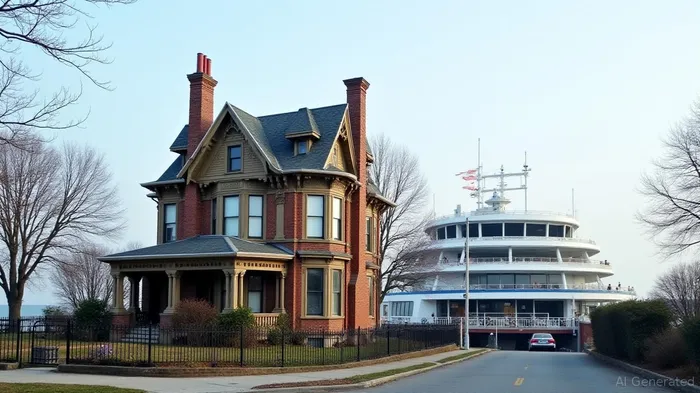
Staten Island's roots stretch back to the 17th century, but its most formative period began in the mid-1800s. The 1860s saw the establishment of ferry service to ManhattanMANH--, the founding of the Staten Island Railroad, and the development of St. George as a civic and commercial hub. Today, neighborhoods like Stapleton and Tottenville boast well-preserved Victorian and Edwardian architecture, often priced far below comparable historic properties in Brooklyn or Queens.
Historic preservation can be a double-edged sword, but it also creates opportunities. Investors who blend heritage preservation with modern amenities—think boutique hotels, adaptive reuse of industrial spaces, or mixed-income housing—could capitalize on Staten Island's unique character. A 2023 study by the NYC Landmarks Preservation Commission found that historic districts in Staten Island appreciate at 2.3% annually, outpacing the borough's average growth of 1.8% over the past decade.
Infrastructure: The Overlooked Catalyst
Staten Island's infrastructure has long been a quiet success story. The Staten Island Railway, completed in 1905, provides a reliable transit backbone, while the soon-to-be-upgraded Arthur Kill Bridge and the proposed ferry service expansion to Red Hook, Brooklyn, promise to improve connectivity. Yet the borough's infrastructure is still undervalued compared to its potential.
Consider this:
While Manhattan and Brooklyn's home prices surged by 80% and 65%, respectively, Staten Island's rose just 35%—a gap that could narrow as infrastructure investments catch up. The 2025 City Council elections saw candidates like Kamillah Hanks (District 49) secure strong mandates, signaling political stability to push forward projects like the revitalization of the St. George waterfront or the extension of bike lanes along the North Shore.
Political Shifts: Pro-Development Winds at the Back
The 2025 NYC primaries delivered a clear message: pro-development policies are gaining momentum. While Staten Island's races were less contested than other boroughs, the broader citywide trends are instructive.
- City Council Dynamics: Pro-development candidates backed by corporate PACs (e.g., Uber, Airbnb) dominated in competitive districts, though Staten Island's races saw incumbents like Hanks (48.5% first-choice votes) and Republicans like Frank Morano (82% in the District 51 primary) secure decisive victories. Their platforms emphasize infrastructure investment and zoning reforms to attract businesses.
- Comptroller's Influence: Mark D. Levine's win as Comptroller positions him to leverage the city's $180 billion pension funds for affordable housing projects. His focus on “fiscal transparency” and resisting federal cuts aligns with Staten Island's need for public-private partnerships to fund transit and housing.
These shifts matter because Staten Island's zoning rules have historically been restrictive. But with a City Council now more open to development and a Comptroller pushing for fiscal innovation, the path is clearer for projects that balance growth with community needs.
Investment Playbook: Where to Look
- Mixed-Use Developments in Transit Hubs: Focus on areas near the St. George Ferry Terminal, where a $150 million renovation is underway, or the New Dorp subway stop. Mixed-use projects combining offices, retail, and housing could thrive as remote workers seek affordable, transit-accessible spaces.
- Heritage-Preserving Adaptive Reuse: Target historic districts like the Grymes Hill Historic District, where a 19th-century estate could be repurposed into a boutique hotel or tech co-working space.
- Waterfront Revitalization: The Great Kills and South Beach areas offer underdeveloped coastal zones ripe for eco-friendly residential or recreational projects, aligning with Levine's environmental stewardship goals.
Risks to Consider
- Perception Lag: Staten Island's reputation as a “quiet suburb” may deter some investors, though rising Manhattan rents are already pushing residents to seek affordable alternatives.
- NIMBY Opposition: Zoning changes could face pushback from long-time residents. Investors should prioritize candidates like Hanks, who balances growth with community input.
The Bottom Line
Staten Island's real estate market is at a crossroads. Its historical charm, underappreciated infrastructure, and the pro-development tailwinds from the 2025 elections create a rare alignment of opportunities. For investors willing to look beyond the obvious, this could be the next frontier in NYC real estate—a place where a Victorian house on a tree-lined street could soon command the same premium as a brownstone in Brooklyn, but at a fraction of the cost.
The data tells the story: growth is accelerating. Now is the time to act.

Delivering real-time insights and analysis on emerging financial trends and market movements.
Latest Articles
Stay ahead of the market.
Get curated U.S. market news, insights and key dates delivered to your inbox.


AInvest
PRO
AInvest
PRO



Comments
No comments yet