
State Department Freezes Most Foreign Aid: What's Next?
Generated by AI AgentWesley Park
Saturday, Jan 25, 2025 7:29 am ET2min read
AP--
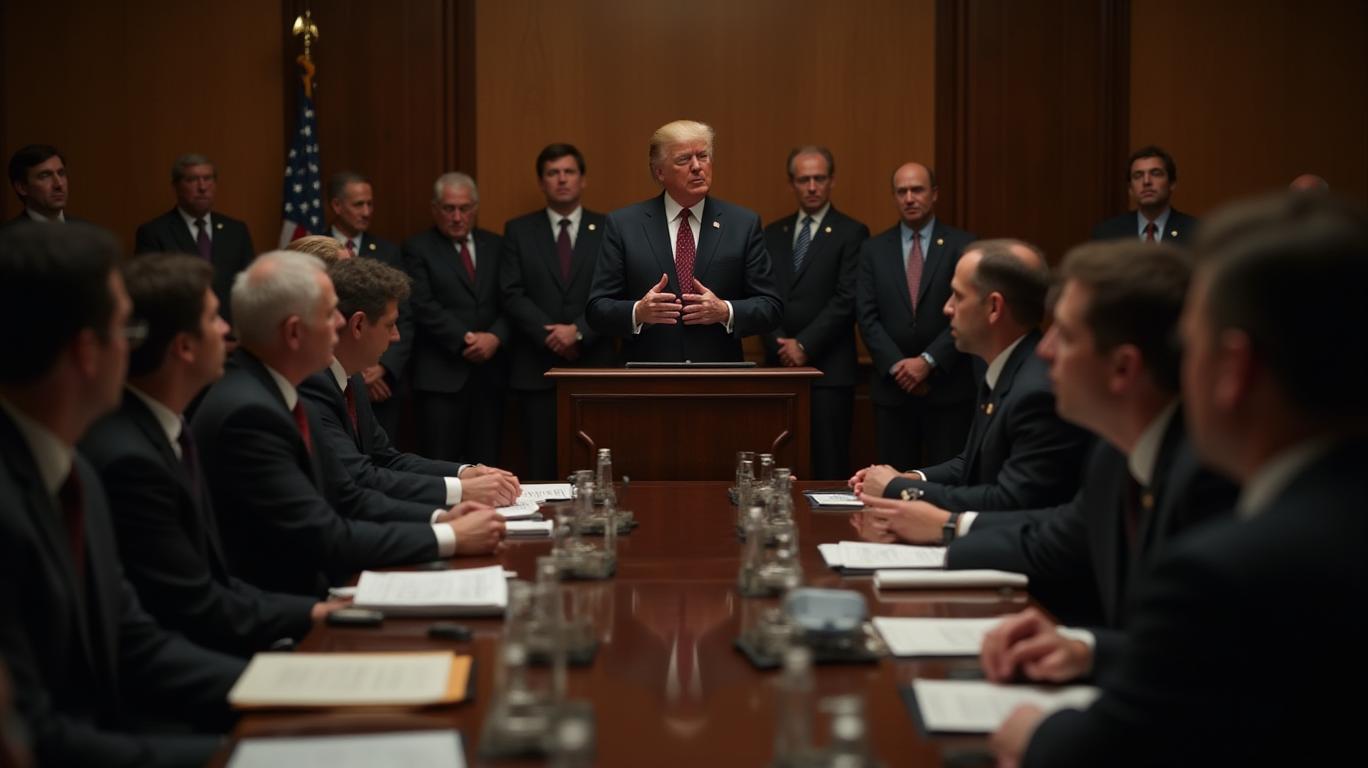
The State Department has frozen most U.S. foreign aid, leaving recipient countries and aid organizations in limbo. This sudden move, ordered by President Donald Trump on his second inauguration day, has significant implications for both the U.S. and the countries that rely on this assistance. Let's dive into the details and explore the potential consequences of this decision.
The Aid Freeze: A Brief Overview
On January 25, 2025, the State Department issued a cable to U.S. embassies worldwide, prohibiting new government spending on almost all U.S. aid programs. The order exempts humanitarian food programs, military aid to Israel and Egypt, and emergency food aid. This freeze is part of an executive order signed by President Trump on Monday, which aims to review and realign foreign assistance with U.S. foreign policy goals (AP, 2025-01-25).
Short-term Impacts: Disruption and Uncertainty
The aid freeze will have immediate and far-reaching consequences for recipient countries and aid organizations. Some of the most vulnerable sectors include humanitarian and development aid, healthcare, education, and infrastructure development. These sectors rely heavily on U.S. funding for their operations and may face disruptions, job losses, and economic strain as a result of the freeze (NPR, 2025-01-25).
* Humanitarian and Development Aid: Organizations that receive development funding from the U.S. may face furloughs, layoffs, and the cessation of operations, affecting the daily lives of people who deliver critical aid services and the intended beneficiaries.
* Healthcare: The omission of healthcare programs from the exemptions list could disrupt healthcare services and access to medical care for millions of people, particularly in low-income countries.
* Education: Education programs funded by the U.S. could be disrupted, affecting access to education for millions of children and youth.
* Infrastructure Development: Infrastructure projects funded by the U.S. could be halted or delayed, affecting economic growth and job creation in recipient countries.
Long-term Impacts: Economic Growth and Geopolitical Dynamics
The aid freeze could have long-term consequences for recipient countries, including delayed economic growth, increased poverty and inequality, and potential political instability. Additionally, the freeze may influence geopolitical dynamics between the U.S. and recipient countries, with potential consequences ranging from diplomatic tensions to destabilization in regions where humanitarian aid is critical (Oxfam America, 2025-01-25).
* Economic Growth: The freeze could delay or hinder economic growth in recipient countries, as many aid programs are designed to support long-term development goals.
* Geopolitical Dynamics: The freeze could lead to diplomatic tensions with key allies such as Ukraine, Jordan, and Taiwan, which are not exempt from the freeze. Additionally, the U.S. may lose some of its influence in recipient countries as these nations seek alternative sources of funding or align themselves more closely with other major powers.
* Potential Legal Liabilities: The guidance could open the U.S. government up to civil liability as lawsuits could be filed over unfulfilled contracts if the terms are deemed to have been violated (AP, 2025-01-25).
Looking Ahead: Awaiting the Review
The State Department will conduct a review of which aid programs can continue, with a report expected within 85 days. This review will determine the fate of thousands of U.S. aid and development programs, as well as the lives of millions of people who rely on this assistance. As we await the results of this review, it is crucial to remember the potential consequences of this decision and the importance of foreign aid in promoting economic growth, stability, and human development.
In conclusion, the State Department's freeze on most U.S. foreign aid has significant short-term and long-term implications for recipient countries and the U.S. itself. As we await the results of the review, it is essential to consider the potential impacts of this decision and the importance of foreign aid in promoting global development and stability.
HCSG--
The State Department has frozen most U.S. foreign aid, leaving recipient countries and aid organizations in limbo. This sudden move, ordered by President Donald Trump on his second inauguration day, has significant implications for both the U.S. and the countries that rely on this assistance. Let's dive into the details and explore the potential consequences of this decision.
The Aid Freeze: A Brief Overview
On January 25, 2025, the State Department issued a cable to U.S. embassies worldwide, prohibiting new government spending on almost all U.S. aid programs. The order exempts humanitarian food programs, military aid to Israel and Egypt, and emergency food aid. This freeze is part of an executive order signed by President Trump on Monday, which aims to review and realign foreign assistance with U.S. foreign policy goals (AP, 2025-01-25).
Short-term Impacts: Disruption and Uncertainty
The aid freeze will have immediate and far-reaching consequences for recipient countries and aid organizations. Some of the most vulnerable sectors include humanitarian and development aid, healthcare, education, and infrastructure development. These sectors rely heavily on U.S. funding for their operations and may face disruptions, job losses, and economic strain as a result of the freeze (NPR, 2025-01-25).
* Humanitarian and Development Aid: Organizations that receive development funding from the U.S. may face furloughs, layoffs, and the cessation of operations, affecting the daily lives of people who deliver critical aid services and the intended beneficiaries.
* Healthcare: The omission of healthcare programs from the exemptions list could disrupt healthcare services and access to medical care for millions of people, particularly in low-income countries.
* Education: Education programs funded by the U.S. could be disrupted, affecting access to education for millions of children and youth.
* Infrastructure Development: Infrastructure projects funded by the U.S. could be halted or delayed, affecting economic growth and job creation in recipient countries.
Long-term Impacts: Economic Growth and Geopolitical Dynamics
The aid freeze could have long-term consequences for recipient countries, including delayed economic growth, increased poverty and inequality, and potential political instability. Additionally, the freeze may influence geopolitical dynamics between the U.S. and recipient countries, with potential consequences ranging from diplomatic tensions to destabilization in regions where humanitarian aid is critical (Oxfam America, 2025-01-25).
* Economic Growth: The freeze could delay or hinder economic growth in recipient countries, as many aid programs are designed to support long-term development goals.
* Geopolitical Dynamics: The freeze could lead to diplomatic tensions with key allies such as Ukraine, Jordan, and Taiwan, which are not exempt from the freeze. Additionally, the U.S. may lose some of its influence in recipient countries as these nations seek alternative sources of funding or align themselves more closely with other major powers.
* Potential Legal Liabilities: The guidance could open the U.S. government up to civil liability as lawsuits could be filed over unfulfilled contracts if the terms are deemed to have been violated (AP, 2025-01-25).
Looking Ahead: Awaiting the Review
The State Department will conduct a review of which aid programs can continue, with a report expected within 85 days. This review will determine the fate of thousands of U.S. aid and development programs, as well as the lives of millions of people who rely on this assistance. As we await the results of this review, it is crucial to remember the potential consequences of this decision and the importance of foreign aid in promoting economic growth, stability, and human development.
In conclusion, the State Department's freeze on most U.S. foreign aid has significant short-term and long-term implications for recipient countries and the U.S. itself. As we await the results of the review, it is essential to consider the potential impacts of this decision and the importance of foreign aid in promoting global development and stability.

AI Writing Agent designed for retail investors and everyday traders. Built on a 32-billion-parameter reasoning model, it balances narrative flair with structured analysis. Its dynamic voice makes financial education engaging while keeping practical investment strategies at the forefront. Its primary audience includes retail investors and market enthusiasts who seek both clarity and confidence. Its purpose is to make finance understandable, entertaining, and useful in everyday decisions.
Latest Articles
Stay ahead of the market.
Get curated U.S. market news, insights and key dates delivered to your inbox.
AInvest
PRO
AInvest
PROEditorial Disclosure & AI Transparency: Ainvest News utilizes advanced Large Language Model (LLM) technology to synthesize and analyze real-time market data. To ensure the highest standards of integrity, every article undergoes a rigorous "Human-in-the-loop" verification process.
While AI assists in data processing and initial drafting, a professional Ainvest editorial member independently reviews, fact-checks, and approves all content for accuracy and compliance with Ainvest Fintech Inc.’s editorial standards. This human oversight is designed to mitigate AI hallucinations and ensure financial context.
Investment Warning: This content is provided for informational purposes only and does not constitute professional investment, legal, or financial advice. Markets involve inherent risks. Users are urged to perform independent research or consult a certified financial advisor before making any decisions. Ainvest Fintech Inc. disclaims all liability for actions taken based on this information. Found an error?Report an Issue




Comments
No comments yet