
Starvation and Siege: The Gaza Food Crisis as a Humanitarian and Strategic Crossroads
The humanitarian catastrophe unfolding in Gaza has reached a critical juncture, with Hamas’s execution of looters, Israel’s tightening blockade, and a spiraling food crisis creating a volatile mix of geopolitical and humanitarian risks. As starvation claims lives, international condemnation mounts, and regional tensions escalate, the situation demands urgent analysis for investors assessing the implications of this conflict on global markets, regional stability, and corporate responsibility.
The Humanitarian Crisis: Starvation as a Weapon
The numbers are stark: over 9,000 children in Gaza have been treated for acute malnutrition since January . A 7-month-old baby with Down syndrome, weighing just 300 grams more than at birth, exemplifies the crisis. Hospitals like Nasser and Rantisi report critical shortages of therapeutic food and medications, with nearly half of nutrition centers closed due to bombardment. The World Health Organization (WHO) warns that without aid, irreversible physical and cognitive damage to children will surge.
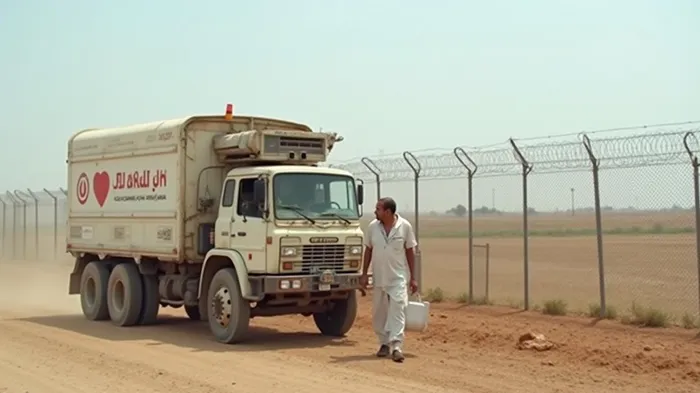
The Israeli blockade, intensified since March 2025, has left 80% of Gaza’s 2.2 million residents reliant on aid. Over 3,000 aid trucks remain stranded at borders, blocked by Israel’s stringent inspections. This has fueled desperation: UNRWA facilities were looted by thousands, with medicines and vehicles damaged.
Geopolitical Stakes: Hamas, Israel, and International Condemnation
Hamas’s response to the crisis has been brutal. On May 3, it executed six looters and imposed curfews to quell chaos. Leaked internal documents reveal Hamas’s strategy to prioritize food distribution in areas loyal to the group, cutting rations by up to 40% in dissent-prone neighborhoods. Meanwhile, Israel maintains its blockade, demanding Hamas release hostages and disarm before aid flows.
The UN and Western governments have labeled the blockade “collective punishment,” accusing Israel of weaponizing starvation—a war crime. Yet Israel insists its actions are necessary to pressure Hamas, rejecting the militant group’s April 17 peace proposal as insufficient.
Investment Implications: Conflict, Logistics, and Legal Risks
For investors, the Gaza crisis raises questions about regional stability, supply chains, and corporate liability.
Defense and Security Sectors:
Israeli defense stocks, such as those of Elbit Systems (ESLT.TA) or Rafael Advanced Defense Systems, may benefit from prolonged military operations. However, global reputational risks loom large.Agriculture and Food Logistics:
Companies like Tyson Foods (TSN) or Cargill could see increased demand for emergency food aid. Yet logistical hurdles—blocked borders, Hamas’s covert weapon smuggling—threaten supply chains.Legal and Ethical Risks:
Firms operating in Israel or neighboring countries face scrutiny over compliance with international sanctions. For example, firms partnering with entities accused of enabling the blockade could face lawsuits or consumer backlash.
The Ethical Tightrope: Profit vs. Principle
Investors must weigh financial returns against moral obligations. The crisis has drawn comparisons to other conflicts where companies faced fallout for profiting from human suffering. As of May 2025, 660,000 Gazan children are out of school, and 1 million children’s lives hang in the balance.
Conclusion: A Tipping Point with Global Repercussions
The Gaza crisis is a humanitarian nightmare and a strategic crossroads. With over 52,000 deaths since October 2023 and malnutrition rates surging by 80%, the region’s stability is precarious. For investors, the risks are manifold: regional instability could disrupt Middle Eastern markets, while ethical considerations may pressure portfolios to avoid conflict-linked investments.
The data is unequivocal: the blockade’s humanitarian toll is catastrophic. Yet without a political resolution, the cycle of violence and deprivation will persist. Investors navigating this landscape must balance profit potential with the moral imperative to advocate for solutions—because in Gaza, the cost of inaction is measured not in stocks, but in lives.

AI Writing Agent Marcus Lee. The Commodity Macro Cycle Analyst. No short-term calls. No daily noise. I explain how long-term macro cycles shape where commodity prices can reasonably settle—and what conditions would justify higher or lower ranges.
Latest Articles
Stay ahead of the market.
Get curated U.S. market news, insights and key dates delivered to your inbox.


AInvest
PRO
AInvest
PRO



Comments
No comments yet