
Starship Explosion: A Test of Resilience in the New Space Economy
The June 18 explosion of SpaceX's Starship rocket during a static fire test has reignited debates about risk, innovation, and investor confidence in commercial space ventures. While the incident underscores the inherent dangers of pushing technological boundaries, it also highlights SpaceX's unique iterative testing model—a strategy that could ultimately prove its greatest asset. For investors, the question is whether the setback marks a fleeting hiccup or a harbinger of systemic risks in the New Space economy.
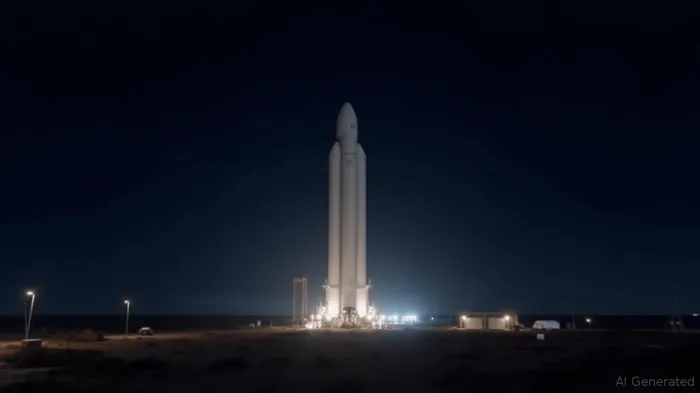
The Incident and Immediate Fallout
The explosion, caused by a nitrogen composite overwrapped pressure vessel (COPV) failure in the payload bay, marked the third major Starship mishap in 2025 alone. While no injuries were reported, the fireball and debris clouded investor sentiment. Shares of SpaceX's parent company, TeslaTSLA-- (TSLA), dipped briefly, reflecting broader market anxiety about Elon Musk's ability to manage multiple high-risk ventures. However, the immediate financial impact was muted—SpaceX operates under a separate structure, and the FAA's focus on safety protocols rather than punitive measures suggests regulatory patience.
Historical Parallels: When Failure Sparks Progress
History shows that setbacks in emerging technologies often catalyze resilience. Consider Boeing's 737 MAX crisis (2018–2020), where design flaws led to two fatal crashes and a global grounding. The fallout eroded Boeing's stock value by over $100 billion and spurred stricter FAA oversight. Yet, Boeing's eventual recovery hinged on rigorous redesign and a pivot toward transparency—a path SpaceX now must follow.
Similarly, Nintendo's Virtual Boy (1995), a rushed VR console with glaring health risks, damaged trust but ultimately taught the company to prioritize user testing. Today, SpaceX's iterative model—where each test flight is a learning opportunity—mirrors this ethos. Unlike Boeing's rigid adherence to outdated platforms, SpaceX openly embraces failure as part of the process, iterating rapidly to resolve technical hurdles.
Why Iterative Testing Matters
SpaceX's approach stands in stark contrast to traditional aerospace giants. While Boeing and Lockheed Martin's legacy systems rely on slow, government-backed development cycles, SpaceX's lean, agile framework allows it to refine Starship in real time. For example, the Starship prototype series (SN1–SN24) saw incremental improvements in materials, engine performance, and safety systems, even after explosive failures. This model reduces long-term risks by compressing the learning curve, much like how software companies use beta testing to eliminate bugs.
The FAA's response to the June explosion exemplifies this balance. While the agency will likely impose stricter COPV inspection protocols, it has not halted testing entirely—a sign of confidence in SpaceX's ability to adapt. Compare this to NASA's post-Challenger pause (1986), which grounded the shuttle program for nearly three years. SpaceX's faster turnaround suggests regulators now understand the iterative nature of modern aerospace innovation.
Investor Confidence: A Mixed Picture
Market reactions have been mixed. Institutional investors, including those in aerospace ETFs (e.g., XAR) and space tech venture funds, remain bullish on SpaceX's long-term vision of Mars colonization and satellite broadband (Starlink). Yet, retail investors and sector newcomers may grow skittish if failures continue. The key differentiator? Progression toward milestones. If SpaceX demonstrates tangible advances in Starship's payload capacity or orbital launches post-explosion, confidence will rebound.
Regulatory Resilience and the Path Forward
The FAA's role is critical. By focusing on incremental safety improvements rather than halting innovation, regulators are enabling SpaceX to mature its technology without stifling it. This mirrors the FAA's handling of aviation's early years, where crashes like the 1956 Grand Canyon midair collision led to systemic reforms—not bans on flight.
For investors, the lesson is clear: allocate capital to companies that marry technical ambition with iterative rigor. SpaceX's model fits this profile, as does Blue Origin's focus on methodical suborbital testing. Avoid ventures relying on unproven, one-off technologies without robust feedback loops.
Actionable Insights for Capital Allocation
- Overweight SpaceX-adjacent firms: Companies like Maxar Technologies (MAXR) and Redwire Space (RDW) benefit from SpaceX's Starlink and lunar infrastructure contracts.
- Underweight pure-play rocket startups: Firms without iterative testing frameworks (e.g., Virgin Galactic's space tourism) face higher regulatory and technical risks.
- Monitor FAA approvals: Track Starship's progress toward FAA certification for orbital launches—a milestone that could stabilize investor sentiment.
Conclusion
SpaceX's Starship explosion is a reminder that innovation in space remains a high-stakes endeavor. Yet, history shows that setbacks can galvanize resilience. For investors, the distinction lies in separating transient risks from structural advantages. SpaceX's iterative model, paired with the FAA's pragmatic oversight, positions it to navigate this latest hurdle—and continue leading the New Space economy.

Stay ahead of the market.
Get curated U.S. market news, insights and key dates delivered to your inbox.






Comments
No comments yet