
Starlink's Surging Growth and SpaceX's $1.5 Trillion IPO Ambitions: What Investors Should Know


 Aime Summary
SpaceX and Starlink: A High-Risk, High-Reward Future
SpaceX is on the brink of a historic leap. , the company is positioning itself as one of the most ambitious startups in modern history — and Starlink, its satellite internet service, is at the center of it all. With subscriber numbers climbing and government contracts expanding, the service is fast becoming the backbone of SpaceX's financial strategy. As investors watch the rocket ship rise, the big questions remain: What does Starlink's success mean for SpaceX's future, and what challenges could stand in the way of a blockbuster IPO? Let's break it down.
The scale of Starlink and its role in SpaceX's revenue
Starlink, SpaceX's satellite broadband service, has become the company's most important revenue driver. As of 2025, according to reports. That growth is fueled by demand in rural markets, military contracts, and partnerships like the one with T-Mobile for direct-to-cell connectivity according to Reuters. , , as Bloomberg reports.
In the grand scheme of things, Starlink's contribution is critical. , underscoring Starlink's central role according to Reuters. 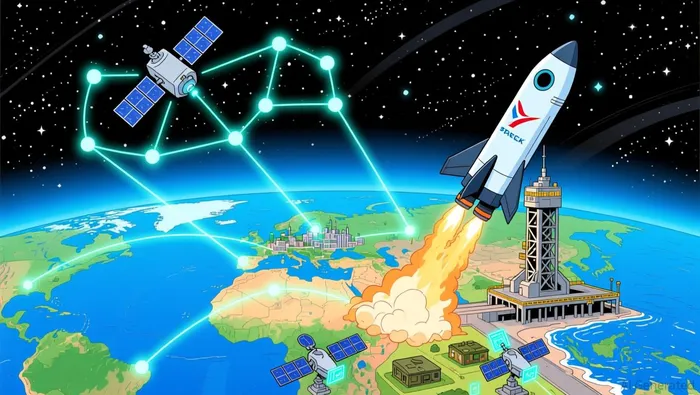 according to engineering researchers.
The IPO timeline and valuation targets
, potentially making it the largest in history according to engineering reports. The company aims to raise over $30 billion, according to Bloomberg. , space-based data centers, and Mars-related ambitions according to Bloomberg.
The timing of the offering is still subject to market conditions, according to CNBC. ,
Strategic partnerships and technical advancements
Beyond just launching satellites, SpaceX is deepening its technical partnerships to support Starlink's growth. STMicroelectronics, for example, , according to Reuters. The company is also working with European firms on the EU's Iris 2 satellite network, broadening its global footprint according to Reuters.
On the technical front, according to industry analysis. It has also secured spectrum rights from EchoStar, according to industry analysis. .
Risks and challenges ahead
Despite the optimism, not everything is set in stone. according to Reuters. Analysts have also raised concerns about regulatory hurdles with the FCC and FAA, according to engineering researchers. according to industry analysis.
Moreover, . At that level, the company would need to deliver consistent, . While Starlink's trajectory is promising, .
What this means for investors
For investors, the SpaceX story is a high-risk, high-reward proposition. , space-based computing, . If the IPO goes through as planned, .
That said, it's not all smooth sailing. The company's aggressive timeline, heavy reliance on Starlink for revenue, . Investors will need to weigh these factors carefully and monitor regulatory, technical, and market developments closely.
At the end of the day, . Whether that vision becomes reality depends on the company's ability to scale Starlink, navigate regulatory and technical hurdles, and keep its lofty ambitions grounded in reality.

Delivering real-time insights and analysis on emerging financial trends and market movements.
Latest Articles
Stay ahead of the market.
Get curated U.S. market news, insights and key dates delivered to your inbox.


AInvest
PRO
AInvest
PRO



Comments
No comments yet