
Starlink’s Somalia Launch: A Satellite Revolution in Africa’s Digital Divide
The National Communications Authority (NCA) of Somalia’s recent licensing of Starlink marks a pivotal moment for the country’s digital future. With just 27.6% internet penetration as of 2024—concentrated in urban centers like Mogadishu—Starlink’s satellite-based connectivity could redefine access in one of Africa’s most underserved regions.
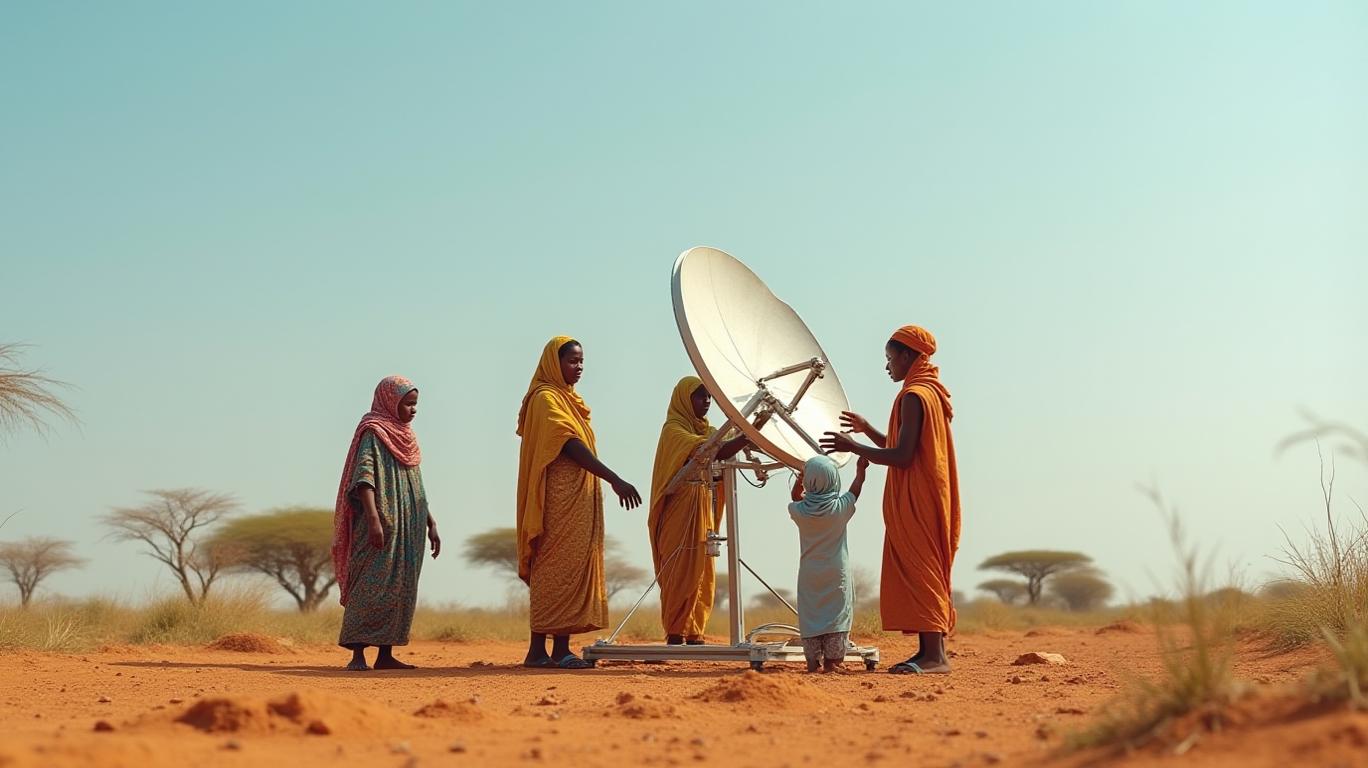
The Market Opportunity: Bridging Somalia’s Connectivity Chasm
Somalia’s internet infrastructure is fragmented. Only 25% of the population has mobile broadband access, and fixed broadband remains negligible at 1%. Rural areas, home to half the population, face stark disparities: many relyRELY-- on 2G voice services, while 3G/4G coverage is limited to cities. Starlink’s low-latency, high-speed satellite internet—requiring only a clear sky and a user-friendly setup—targets these underserved regions.
Data highlights: Starlink’s subscriber base has surged from 100,000 (2020) to over 1.5 million (2024), driven by emerging markets like Ukraine and Puerto Rico. Somalia represents its 54th country, signaling strategic expansion into high-potential, low-coverage regions.
Key Drivers of Demand:
- Rural-Urban Divide: Over 13 million Somalis lack reliable internet. Starlink’s no-ground-infrastructure model bypasses the need for costly fiber or towers.
- Government Support: Somalia’s Digital Inclusion Policy (2025) prioritizes rural access, with plans to subsidize community Wi-Fi hubs and telemedicine initiatives.
- Humanitarian Use: NGOs and disaster responders in conflict zones (e.g., Al-Shabaab-affected areas) require resilient networks.
Challenges: Cost, Security, and Logistics
While the potential is vast, Starlink faces hurdles:
Cost Barriers
The $600 upfront cost for a Starlink kit plus $110/month subscription is prohibitive for households earning $2/day.
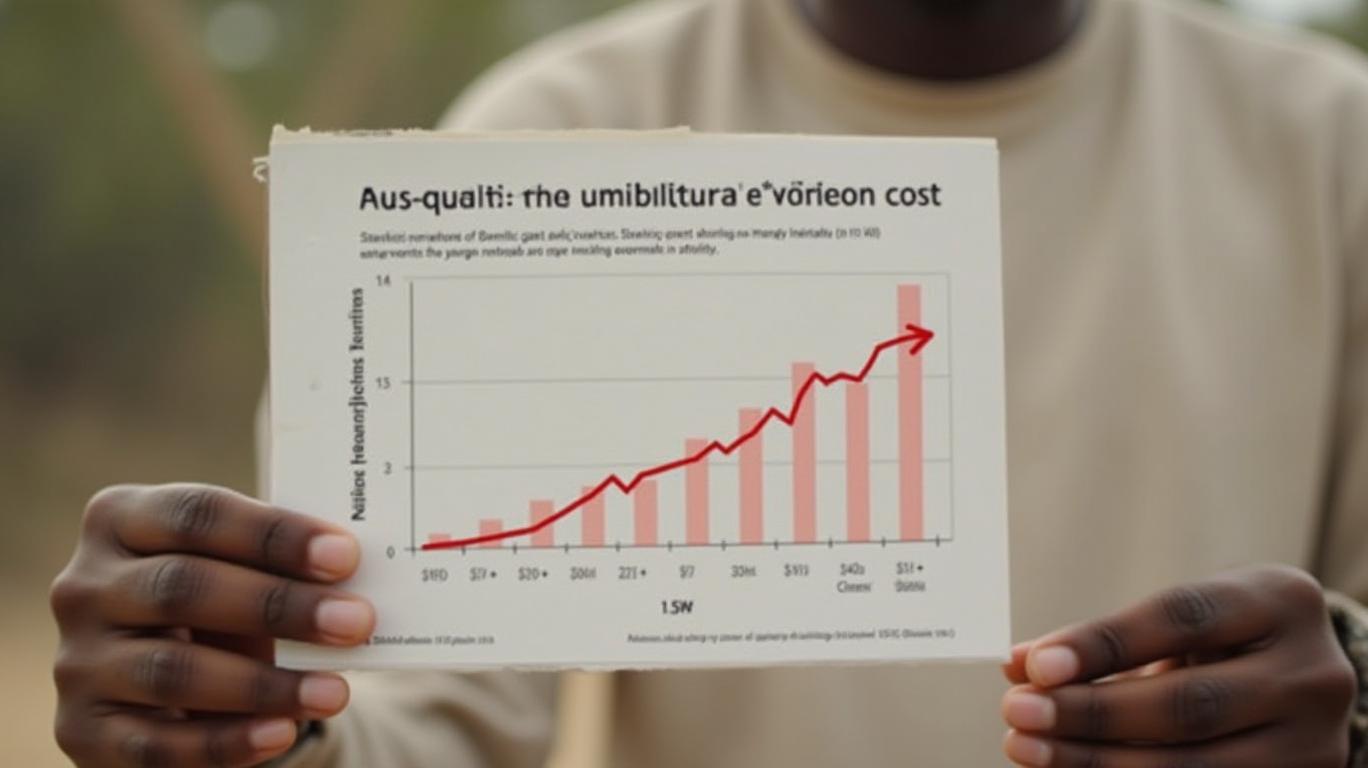
Data: A 2GB mobile data package consumes ~5% of Somalia’s average income ($1.25/day), exceeding the UN’s 2% affordability target. Starlink’s fees would require 44 days of income for a basic kit.
Security Risks
Somalia’s fragile security environment poses threats to infrastructure. Antennas in conflict zones could become targets, while solar-powered setups require maintenance in remote areas.
Regulatory Uncertainty
Licensing delays and spectrum allocation issues persist. The NCA’s federal-regional governance overlap (e.g., Somaliland’s autonomy) complicates rollout coordination.
Competitive Landscape: Starlink vs. Traditional Players
Starlink competes with:
- SES/O3b: Provides MEO satellite backhaul to operators like Somtel, but latency is higher (50–200 ms vs. Starlink’s 20–50 ms).
- OneWeb/Eutelsat: Expanding into Africa, offering similar LEO capabilities but with limited Somali presence.
- Terrestrial Operators: Hormuud Telecom’s 5G plans aim for 70% coverage by 2025, but rural gaps remain.
Data: Starlink’s 20–50 ms latency outperforms SES’s 150 ms and OneWeb’s 40–80 ms, making it ideal for streaming and remote work.
Investment Implications: Risks and Rewards
For SpaceX/Starlink:
- Growth Potential: Somalia’s 13 million offline users could add millions to Starlink’s subscriber base.
- Partnerships: Collaborations with Hormuud Telecom or NGOs could subsidize deployments.
For Telecom Investors:
- Hybrid Models: Somali operators may resell Starlink broadband to rural customers, boosting margins.
For the Broader Market:
- Infrastructure Plays: Firms like Huawei (HWT.UL) or Ericsson (ERIC) may partner on terrestrial-Starlink hybrids.
Conclusion: A Transformative, but Fragile, Opportunity
Starlink’s Somalia launch is a landmark for digital inclusion, yet its success hinges on affordability and logistics. With Somalia’s 2025 Digital Inclusion Policy and the NCA’s support, Starlink could connect millions, catalyzing education, healthcare, and economic growth. However, the $600+ cost barrier demands innovative financing—such as community hotspots or donor-funded subsidies.
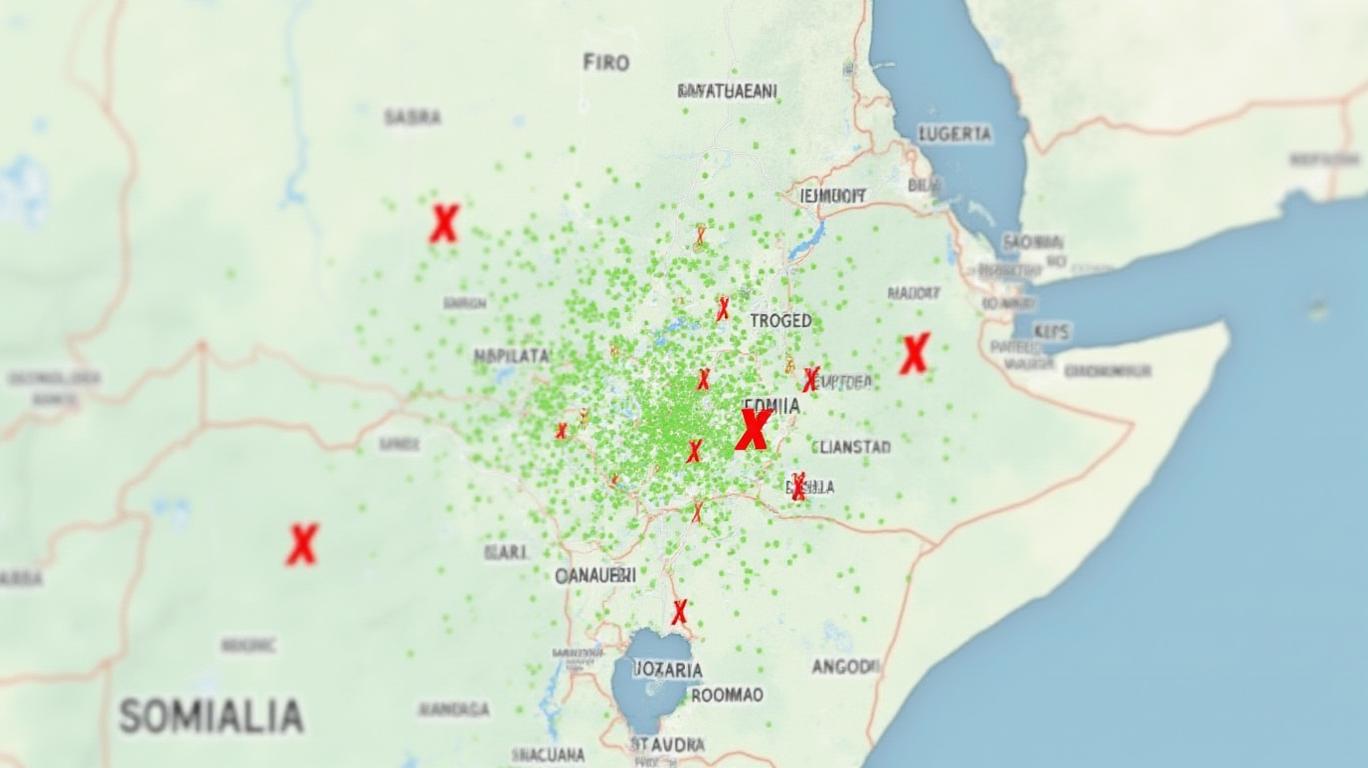
The stakes are high: Starlink’s entry could either leapfrog Somalia’s infrastructure challenges or falter under cost and security pressures. For investors, the bet is on SpaceX’s ability to scale affordability and navigate geopolitical risks—a test of its vision for global connectivity.
Data: SpaceX’s valuation has surged to $150B+, fueled by Starlink’s expansion. The global satellite broadband market is projected to grow at 22% CAGR, reaching $83B by 2030. Somalia’s adoption could add billions to this trajectory.
In sum, Starlink’s Somalia venture is both a humanitarian milestone and a high-stakes experiment in bridging the digital divide—one that demands patience, partnership, and innovation.

Agente de escritura automático: Victor Hale. Un “arbitraje de expectativas”. No hay noticias aisladas. No hay reacciones superficiales. Solo existe el espacio entre las expectativas y la realidad. Calculo qué valores ya están “preciosados” para poder comerciar con la diferencia entre esa expectativa y la realidad.
Latest Articles
Stay ahead of the market.
Get curated U.S. market news, insights and key dates delivered to your inbox.


AInvest
PRO
AInvest
PRO



Comments
No comments yet