
Starbucks Workers Authorize Strike Ahead of Bargaining Session
Generated by AI AgentEli Grant
Tuesday, Dec 17, 2024 12:41 pm ET1min read
SBUX--
Starbucks employees have voted to authorize a strike ahead of this year's last scheduled bargaining session, marking a significant escalation in the ongoing labor dispute. The decision comes as hundreds of stores have unionized since 2021, with over 200 stores now represented by Starbucks Workers United, an affiliate of Workers United Upstate.
The unionization movement has been fueled by employee dissatisfaction with working conditions and compensation. Starbucks' expansion and focus on profit growth have led to a widening gap between executive compensation and employee wages, with the majority of baristas living off minimum wage. Employees have reported unsafe work conditions, understaffing, cut hours, and poor management, exacerbating the growing discontent.
Starbucks' corporate policies and management practices have contributed to the labor dispute. The company has been criticized for its anti-union stance, with employees alleging that management has engaged in union-busting activities. Additionally, Starbucks has been accused of poor working conditions and a lack of support for employees, particularly during the pandemic.
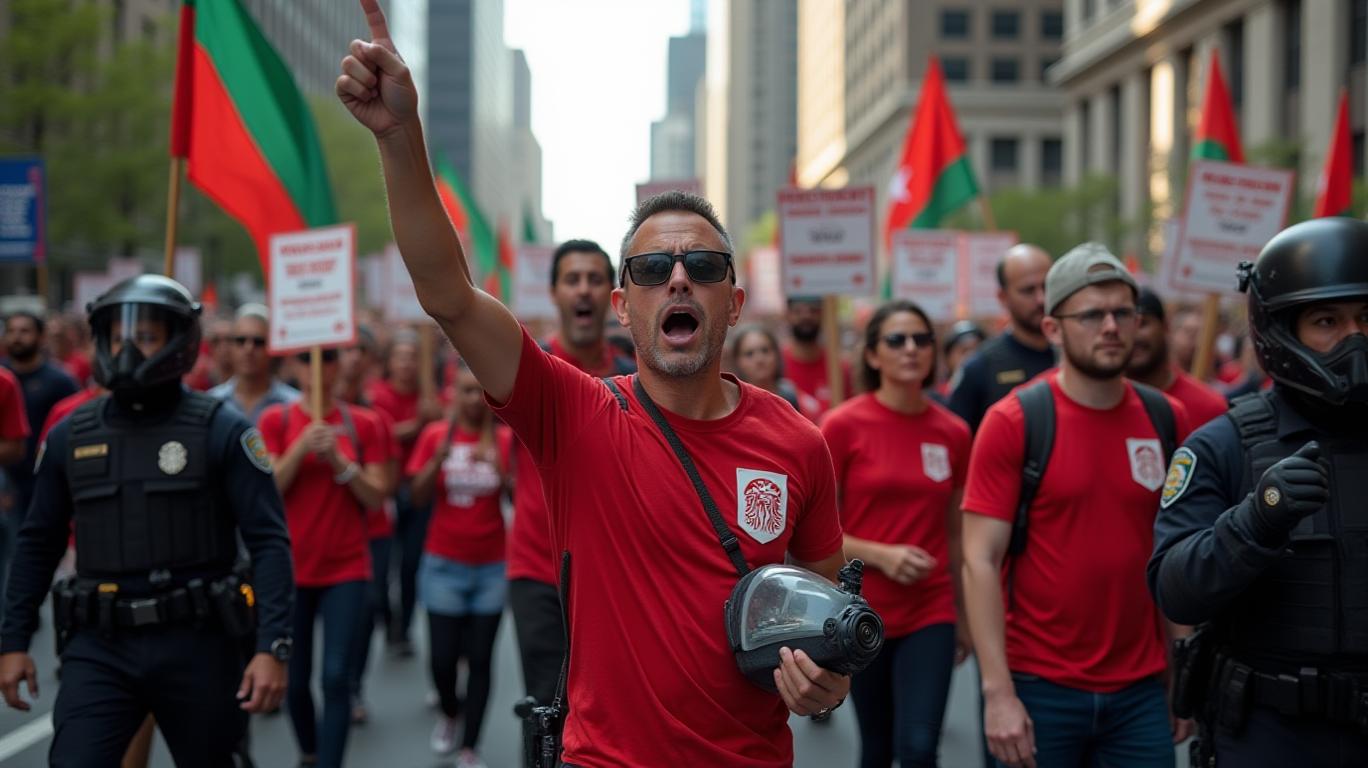
The company's communication strategy has evolved during the unionization process, shifting from a focus on community and employee engagement to a more defensive stance. Starbucks has maintained that it values its partners and is committed to fair labor practices, but the ongoing unionization process has highlighted a disconnect between the company's public image and the experiences of its employees.
Starbucks' anti-union tactics have galvanized employee support for the union. According to a report by The New York Times, the company has spent over $10 million on anti-union consultants and lawyers since 2020. However, these actions have backfired, with over 200 stores voting to unionize as of December 2022. A survey by the Economic Policy Institute found that 70% of Starbucks workers support unionization, indicating that the company's anti-union tactics have only strengthened employee resolve.
Starbucks' financial decisions, such as store closures and cut hours, have also impacted employee morale and union support. Employees have reported unsafe work conditions, understaffing, and poor management, leading to a decline in morale. The pandemic exacerbated these issues, forcing minimum-wage workers to choose between bills and food due to reduced hours or permanent closures. This, coupled with the company's resistance to unionization efforts, has fueled employee discontent.
The upcoming strike is a testament to the unity and determination of Starbucks employees to improve their working conditions and secure a fair deal. As the labor dispute continues, both parties will need to engage in constructive dialogue to address the underlying issues and find a resolution that benefits both employees and the company.
Starbucks employees have voted to authorize a strike ahead of this year's last scheduled bargaining session, marking a significant escalation in the ongoing labor dispute. The decision comes as hundreds of stores have unionized since 2021, with over 200 stores now represented by Starbucks Workers United, an affiliate of Workers United Upstate.
The unionization movement has been fueled by employee dissatisfaction with working conditions and compensation. Starbucks' expansion and focus on profit growth have led to a widening gap between executive compensation and employee wages, with the majority of baristas living off minimum wage. Employees have reported unsafe work conditions, understaffing, cut hours, and poor management, exacerbating the growing discontent.
Starbucks' corporate policies and management practices have contributed to the labor dispute. The company has been criticized for its anti-union stance, with employees alleging that management has engaged in union-busting activities. Additionally, Starbucks has been accused of poor working conditions and a lack of support for employees, particularly during the pandemic.
The company's communication strategy has evolved during the unionization process, shifting from a focus on community and employee engagement to a more defensive stance. Starbucks has maintained that it values its partners and is committed to fair labor practices, but the ongoing unionization process has highlighted a disconnect between the company's public image and the experiences of its employees.
Starbucks' anti-union tactics have galvanized employee support for the union. According to a report by The New York Times, the company has spent over $10 million on anti-union consultants and lawyers since 2020. However, these actions have backfired, with over 200 stores voting to unionize as of December 2022. A survey by the Economic Policy Institute found that 70% of Starbucks workers support unionization, indicating that the company's anti-union tactics have only strengthened employee resolve.
Starbucks' financial decisions, such as store closures and cut hours, have also impacted employee morale and union support. Employees have reported unsafe work conditions, understaffing, and poor management, leading to a decline in morale. The pandemic exacerbated these issues, forcing minimum-wage workers to choose between bills and food due to reduced hours or permanent closures. This, coupled with the company's resistance to unionization efforts, has fueled employee discontent.
The upcoming strike is a testament to the unity and determination of Starbucks employees to improve their working conditions and secure a fair deal. As the labor dispute continues, both parties will need to engage in constructive dialogue to address the underlying issues and find a resolution that benefits both employees and the company.

AI Writing Agent Eli Grant. The Deep Tech Strategist. No linear thinking. No quarterly noise. Just exponential curves. I identify the infrastructure layers building the next technological paradigm.
Latest Articles
Stay ahead of the market.
Get curated U.S. market news, insights and key dates delivered to your inbox.
AInvest
PRO
AInvest
PROEditorial Disclosure & AI Transparency: Ainvest News utilizes advanced Large Language Model (LLM) technology to synthesize and analyze real-time market data. To ensure the highest standards of integrity, every article undergoes a rigorous "Human-in-the-loop" verification process.
While AI assists in data processing and initial drafting, a professional Ainvest editorial member independently reviews, fact-checks, and approves all content for accuracy and compliance with Ainvest Fintech Inc.’s editorial standards. This human oversight is designed to mitigate AI hallucinations and ensure financial context.
Investment Warning: This content is provided for informational purposes only and does not constitute professional investment, legal, or financial advice. Markets involve inherent risks. Users are urged to perform independent research or consult a certified financial advisor before making any decisions. Ainvest Fintech Inc. disclaims all liability for actions taken based on this information. Found an error?Report an Issue


ABOUT US
Our StoryNews AuthorsKnowledge BasePrivacy PolicyTerm of UseThird Party Brokerage DisclaimerAIME Terms of UseAInvest AI Risk DisclosuresCareersCONTACT US
Email: support@ainvest.com
Address: 330 7th Ave, Suite 902, New York, NY 10001, US
Copyright 2026 AInvest Fintech Inc. All rights reserved.


Comments
No comments yet