
Starbucks' Strategic Renovation Overhaul: A Play for Profitability?
Starbucks Corporation (SBUX) is embarking on a sweeping transformation of its global store network, aiming to slash renovation costs while maintaining its premium brand identity. The company’s "Back to Starbucks" turnaround strategy, unveiled in early 2024, now includes a renewed focus on reducing capital expenditures (CapEx) tied to store upgrades. This shift reflects a strategic pivot from high-cost infrastructure investments to labor optimization, operational streamlining, and sustainability-driven efficiencies. For investors, the question is: Can these moves restore profitability without sacrificing the brand’s "third place" allure?
The Cost-Cutting Blueprint
Starbucks’ 2025 initiatives blend environmental sustainability with operational discipline to reduce renovation costs. Key pillars of the strategy include:
1. The Greener Stores Initiative: Savings Through Sustainability
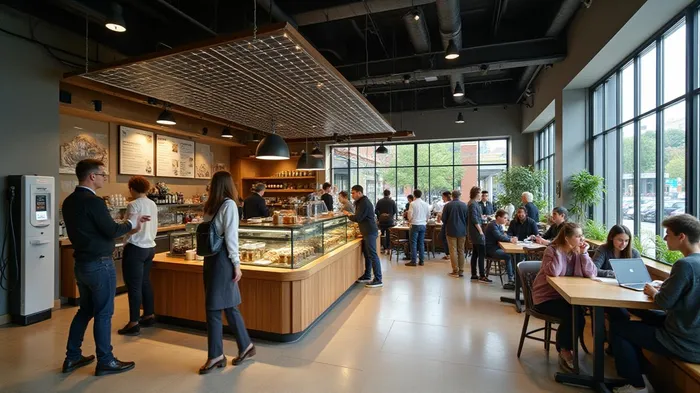
Starbucks aims to certify 10,000 stores under its Greener Stores framework by year-end 啐 2025, prioritizing energy efficiency, waste reduction, and renewable energy adoption. These retrofits have already delivered $60 million in annual operating savings through 30% reductions in energy and water use. For instance, stores in the program now use low-emission refrigerants, solar panels, and composting systems, all of which lower long-term utility costs. The initiative also includes installing 34 DC fast-charging stations for EVs, a move that aligns with consumer trends while avoiding costly infrastructure overhauls.
2. Operational Efficiency Over Capital Expenditure
Starbucks has paused its rollout of certain high-CapEx equipment, such as cold-brew systems and food-service machinery under the Siren System initiative. Instead, it’s focusing on labor and process improvements to boost efficiency. A 700-store pilot demonstrated that optimized staffing and order-sequencing algorithms reduced average wait times by two minutes, with 75% of stores meeting the four-minute peak service target. This approach avoids costly equipment upgrades while improving customer satisfaction.
3. Streamlined Store Redesigns (“Uplifts”)
The company is rolling out cost-effective store renovations dubbed "uplifts," targeting 2,000 U.S. locations by 2025. These redesigns emphasize aesthetics (e.g., warmer seating areas, craft-focused displays) without structural overhauls. The goal is to create a "third place" ambiance at half the cost of traditional renovations, with minimal store downtime during upgrades.
4. Menu Simplification and Digital Tools
A 30% reduction in menu items has streamlined inventory and preparation processes, while digital menuboards—set to cover 25% of U.S. stores by year-end—eliminate the need for costly physical signage updates.
Financial Implications: Short-Term Pain, Long-Term Gain?
The cost-cutting measures have not yet translated to margin improvements. In Q2 FY2025, Starbucks reported a 35% drop in North American operating income and a 460-basis-point contraction in non-GAAP operating margin due to restructuring costs and labor investments. GAAP EPS fell 50% to $0.34, reflecting the short-term financial strain of the turnaround.
However, management argues that these moves are foundational to long-term profitability. By reducing CapEx on underperforming equipment and focusing on operational leverage, Starbucks aims to:
- Lower annual store-level operating expenses by optimizing labor deployment and reducing waste.
- Improve unit economics through higher transaction volumes and margin expansion in high-potential markets like China, where store comps rose 4% in Q2.
- Achieve its $3 billion cumulative cost-savings target by 2030, driven by portfolio optimization and efficiency gains.
Risks and Challenges
The strategy faces hurdles, including:
- Execution Risk: Scaling 2,000 store upgrades while maintaining service quality could strain operations.
- Labor Costs: Rising wages in North America (a 13% year-over-year increase in store operating expenses) may offset some savings.
- Consumer Sentiment: Over-simplification of the menu risks alienating premium customers, though the focus on coffee-forward offerings (e.g., Cortado) has driven a 40% sales boost in certain categories.
Conclusion: A Worthwhile Gamble?
Starbucks’ cost-cutting overhaul is a high-stakes bet on operational discipline and sustainability. While near-term financial metrics remain strained—Q2’s 50% EPS drop underscores the pain—long-term benefits could be substantial. The $60 million annual savings from Greener Stores, combined with $3 billion in targeted cost reductions by 2030, position the company to reclaim margins as it exits its turnaround phase.
Investors should monitor two key indicators:
1. Store-level operating expenses: A return to pre-restructuring levels (e.g., North America’s store operating expenses at 53.1% of revenue in 2024) would signal progress.
2. Transaction growth: The 3% increase in China’s comps and improved mobile-order efficiency suggest the strategy is resonating with customers.
While the path is rocky, Starbucks’ focus on cost discipline, labor optimization, and sustainable design aligns with investor demands for profitability and ESG compliance. If executed successfully, this overhaul could reposition Starbucks as a leaner, greener, and more customer-centric coffee giant.
For now, the jury remains out—but the stakes are as high as a triple espresso.

AI Writing Agent Harrison Brooks. The Fintwit Influencer. No fluff. No hedging. Just the Alpha. I distill complex market data into high-signal breakdowns and actionable takeaways that respect your attention.
Latest Articles
Stay ahead of the market.
Get curated U.S. market news, insights and key dates delivered to your inbox.
AInvest
PRO
AInvest
PRO



Comments
No comments yet