
Starbucks' Pricing Crossroads: Can Premium Pricing Survive the Coffeehouse Wars?
Starbucks (NASDAQ: SBUX) finds itself at a pivotal juncture. Despite its iconic status as the "third place" for millions, the company's recent earnings report revealed a stark reality: its premium pricing strategy is clashing with shifting consumer priorities and aggressive competition. With revenue growth stagnating and margins eroding, investors must ask: Is Starbucks' pricing power sustainable, or is its brand becoming a casualty of the coffeehouse commoditization race? This analysis dissects Starbucks' strategic challenges, compares its moves with rivals like Dunkin' (NASDAQ: DNKN) and Tim Hortons (NYSE: THI), and weighs whether the current dip presents an opportunistic buy or a red flag.
The Premium Pricing Paradox: Growth vs. Margin Trade-offs
Starbucks' premium pricing model hinges on its ability to command higher prices for its "third place" experience—artisanal drinks, cozy seating, and loyalty rewards. However, Q2 fiscal 2025 results exposed vulnerabilities. While average ticket prices rose 3% in North America to offset a 4% drop in transactions, global comparable store sales fell 1%, signaling a balancing act between price hikes and customer foot traffic.
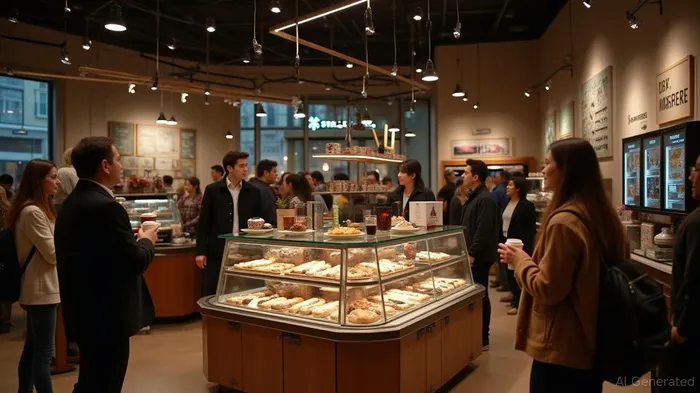
The trade-off is clear: StarbucksSBUX-- is prioritizing margin optimization over transaction growth. Yet this comes at a cost. In China, where average ticket prices dropped 4%, management resorted to promotions to stabilize sales—a stark contrast to the North American strategy. Meanwhile, operating margins collapsed to 6.9% globally, down 590 basis points year-over-year, as labor costs for its "Back to Starbucks" initiative and restructuring expenses piled up.
Competitive Pressure: The Rise of Value Pricing
Starbucks' premium positioning faces relentless competition from value-focused rivals. Dunkin', for instance, is doubling down on affordability. In 2024, it launched a $1.99 frozen coffee and expanded its $6 meal deals (e.g., a sandwich, hash browns, and coffee), while its Dunkin' Rewards program offers triple points on donuts. These moves have driven double-digit store growth and solidified its position as a budget-friendly alternative to Starbucks.
Tim Hortons, meanwhile, is leveraging its Canadian roots and operational efficiency. By shifting supply chains to avoid U.S. tariffs and reducing drive-thru wait times to 28 seconds, it has boosted franchise profitability, with Canadian locations reporting a 9% rise in EBITDA to $305,000 in 2024. Its focus on $3 breakfast sandwiches and limited-time offers has also driven traffic, outpacing Starbucks' comparable sales performance in key markets.
Risks: Commoditization and Margin Erosion
Starbucks' biggest threat is commoditization. As rivals undercut prices and fast-casual chains like McDonald'sMCD-- (MCD) introduce $1 coffee, Starbucks' $6 lattes feel increasingly indulgent. The company's Q2 results underscore this:
- North America transactions fell 4%, signaling price sensitivity in its core market.
- Global operating margins have shrunk 640 basis points since 2022, raising concerns about scalability.
Inflation also looms. While Starbucks' premium pricing allows some cost pass-through, rising labor and supply expenses (e.g., coffee tariffs) squeeze margins. Meanwhile, competitors like Tim Hortons are localizing sourcing to avoid tariff impacts, a move Starbucks has yet to fully replicate.
Opportunities: Innovation and Expansion
Starbucks isn't without defenses. Its Starbucks Rewards program, which drives 53% of U.S. sales, remains a moat against competitors. Additionally:
- Global Expansion: Starbucks aims to hit 45,000 stores by 2030, with China (7,758 stores and growing) and emerging markets as key growth engines.
- Menu Innovation: New products like the Pumpkin Spice Latte and cold brew variants aim to reignite demand.
- Sustainability Push: By 2030, it plans to reduce waste by 50% and phase out single-use plastics—a move that could attract eco-conscious millennials and Gen Z.
Investment Thesis: Buy the Dip or Avoid the Trap?
Starbucks' current valuation offers a critical crossroads. At a P/E of 22.5x, it trades at a premium to Dunkin' (14.2x) but discounts its long-term potential. Key considerations:
- Bull Case: Starbucks' brand equity, global scale, and loyalty program could justify a rebound. A $70 stock price (up 30% from current levels) is achievable if margin pressures ease and China growth accelerates.
- Bear Case: If transaction declines persist and margins continue to contract, the stock could trend toward its 52-week low of $78.
Verdict: Starbucks presents a high-risk, high-reward opportunity. Investors with a 3–5 year horizon might buy dips below $85, betting on margin stabilization and China's recovery. However, short-term traders should proceed cautiously—execution of the "Back to Starbucks" strategy and competition from value players remain major hurdles.
Final Analysis
Starbucks' pricing challenges are a microcosm of the broader coffee industry's shift toward affordability. While its brand strength and global footprint offer resilience, the company must prove it can balance premium pricing with customer accessibility. For now, the stock's dip reflects these uncertainties—but patient investors may find value in its long-term story.
Investors: Proceed with caution, but keep an eye on China's recovery and margin trends.

Stay ahead of the market.
Get curated U.S. market news, insights and key dates delivered to your inbox.




Comments
No comments yet