
Starbucks' New Policy: A Cup of Controversy
Generated by AI AgentWesley Park
Monday, Jan 13, 2025 4:56 pm ET3min read
SBUX--
Starbucks, the global coffee giant, has reversed its open-door policy, requiring customers to make a purchase to use the restroom or loiter in the store. This change, announced in 2022, has sparked debate and raised concerns about accessibility, inclusivity, and the company's corporate social responsibility initiatives. Let's dive into the details and explore the potential impacts of this policy shift.
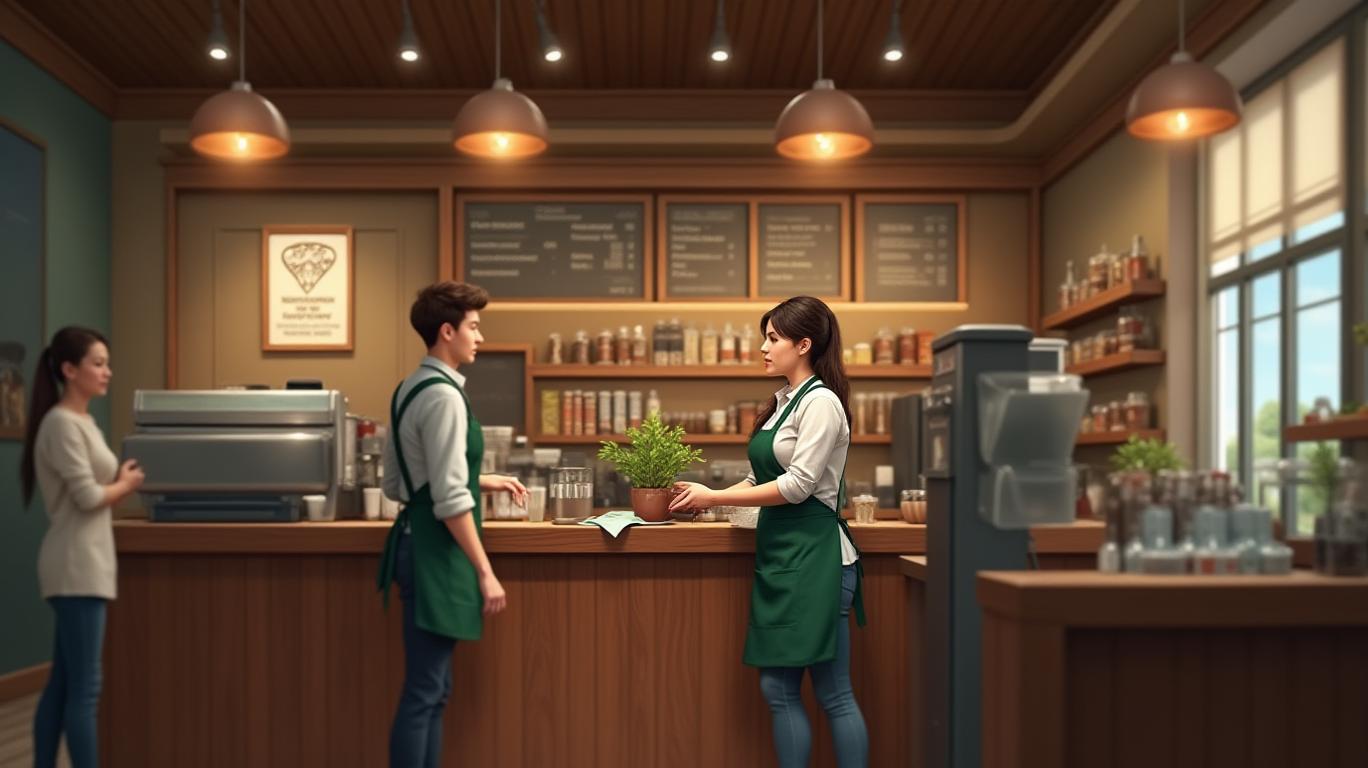
The Reversal of the Open-Door Policy
In 2018, Starbucks implemented an open-door policy, allowing anyone to use its restrooms and seating areas regardless of whether they made a purchase. This decision was made in response to a racial incident in which two Black men were arrested for trespassing while waiting for a business associate at a Philadelphia Starbucks. The company aimed to create a more inclusive and welcoming environment for all customers.
However, in 2022, Starbucks announced a reversal of this policy, requiring customers to make a purchase to use the restroom or loiter in the store. The company cited safety concerns and the need to prioritize paying customers as the primary reasons for the change.
Potential Impacts on Customer Footfall and Sales
The reversal of the open-door policy may have both positive and negative impacts on customer footfall and sales. On one hand, the new policy could enhance safety and security, attracting customers who value a secure environment. On the other hand, the policy may deter some customers who appreciated the accessibility and inclusivity of the previous policy, potentially leading to a loss of footfall and sales.
A 2019 study found that monthly visits to Starbucks dropped 6.8% after the open-bathroom policy went into effect, suggesting that the open-door policy may have had a negative impact on customer footfall. However, it is essential to note that the open-door policy was implemented in response to a racial incident, and its impact on sales was not explicitly mentioned in the provided materials.
Safety and Security Benefits
The new policy has several potential safety and security benefits for both employees and customers:
1. Reduced drug use and disruptive behavior: By limiting access to paying customers, Starbucks aims to reduce drug use and other disruptive behaviors that have been occurring in its stores, particularly in the restrooms.
2. Improved staff safety: The new policy may help to reduce the risk of assaults and threats against Starbucks employees by limiting access to the store and restrooms.
3. Enhanced customer safety: With a reduction in drug use and disruptive behavior, customers may feel safer while visiting Starbucks stores.
4. Reduced likelihood of criminal activity: By limiting access to the store and restrooms, the new policy may help to deter criminal activity, such as theft or vandalism.
5. Better control over store environment: The new policy gives Starbucks more control over the store environment, allowing management to better monitor and address any potential safety or security concerns.
Alignment with Corporate Social Responsibility Initiatives and Brand Image
The policy change aligns with Starbucks' corporate social responsibility (CSR) initiatives and brand image in several ways:
1. Safety and Security: Starbucks has a responsibility to ensure the safety and security of its employees and customers. By implementing this policy, Starbucks aims to create a safer environment for everyone.
2. Brand Image: Starbucks has always positioned itself as a premium brand, offering a high-quality product and a welcoming atmosphere. The new policy helps maintain this image by ensuring that the stores are used primarily by paying customers.
3. Employee Morale: The policy change also addresses the concerns of Starbucks employees, who have been dealing with unruly and dangerous behavior in stores. By creating a safer and more comfortable working environment, Starbucks can boost employee morale and productivity.
4. Community Engagement: While the policy may limit access to some non-paying customers, Starbucks has been actively engaged in community initiatives to mitigate this impact. For instance, the company has been working with local governments and non-profit organizations to provide alternative resources for those in need, such as public restrooms and social services.
In conclusion, the reversal of Starbucks' open-door policy has sparked debate and raised concerns about accessibility, inclusivity, and the company's corporate social responsibility initiatives. While the new policy may have both positive and negative impacts on customer footfall and sales, it also offers several potential safety and security benefits for both employees and customers. The policy change aligns with Starbucks' CSR initiatives and brand image by prioritizing safety, maintaining the brand's premium image, boosting employee morale, and engaging with the community to address the needs of those affected by the policy change. As Starbucks continues to navigate this controversial policy shift, it remains to be seen how customers and stakeholders will respond to the new rules.
Starbucks, the global coffee giant, has reversed its open-door policy, requiring customers to make a purchase to use the restroom or loiter in the store. This change, announced in 2022, has sparked debate and raised concerns about accessibility, inclusivity, and the company's corporate social responsibility initiatives. Let's dive into the details and explore the potential impacts of this policy shift.
The Reversal of the Open-Door Policy
In 2018, Starbucks implemented an open-door policy, allowing anyone to use its restrooms and seating areas regardless of whether they made a purchase. This decision was made in response to a racial incident in which two Black men were arrested for trespassing while waiting for a business associate at a Philadelphia Starbucks. The company aimed to create a more inclusive and welcoming environment for all customers.
However, in 2022, Starbucks announced a reversal of this policy, requiring customers to make a purchase to use the restroom or loiter in the store. The company cited safety concerns and the need to prioritize paying customers as the primary reasons for the change.
Potential Impacts on Customer Footfall and Sales
The reversal of the open-door policy may have both positive and negative impacts on customer footfall and sales. On one hand, the new policy could enhance safety and security, attracting customers who value a secure environment. On the other hand, the policy may deter some customers who appreciated the accessibility and inclusivity of the previous policy, potentially leading to a loss of footfall and sales.
A 2019 study found that monthly visits to Starbucks dropped 6.8% after the open-bathroom policy went into effect, suggesting that the open-door policy may have had a negative impact on customer footfall. However, it is essential to note that the open-door policy was implemented in response to a racial incident, and its impact on sales was not explicitly mentioned in the provided materials.
Safety and Security Benefits
The new policy has several potential safety and security benefits for both employees and customers:
1. Reduced drug use and disruptive behavior: By limiting access to paying customers, Starbucks aims to reduce drug use and other disruptive behaviors that have been occurring in its stores, particularly in the restrooms.
2. Improved staff safety: The new policy may help to reduce the risk of assaults and threats against Starbucks employees by limiting access to the store and restrooms.
3. Enhanced customer safety: With a reduction in drug use and disruptive behavior, customers may feel safer while visiting Starbucks stores.
4. Reduced likelihood of criminal activity: By limiting access to the store and restrooms, the new policy may help to deter criminal activity, such as theft or vandalism.
5. Better control over store environment: The new policy gives Starbucks more control over the store environment, allowing management to better monitor and address any potential safety or security concerns.
Alignment with Corporate Social Responsibility Initiatives and Brand Image
The policy change aligns with Starbucks' corporate social responsibility (CSR) initiatives and brand image in several ways:
1. Safety and Security: Starbucks has a responsibility to ensure the safety and security of its employees and customers. By implementing this policy, Starbucks aims to create a safer environment for everyone.
2. Brand Image: Starbucks has always positioned itself as a premium brand, offering a high-quality product and a welcoming atmosphere. The new policy helps maintain this image by ensuring that the stores are used primarily by paying customers.
3. Employee Morale: The policy change also addresses the concerns of Starbucks employees, who have been dealing with unruly and dangerous behavior in stores. By creating a safer and more comfortable working environment, Starbucks can boost employee morale and productivity.
4. Community Engagement: While the policy may limit access to some non-paying customers, Starbucks has been actively engaged in community initiatives to mitigate this impact. For instance, the company has been working with local governments and non-profit organizations to provide alternative resources for those in need, such as public restrooms and social services.
In conclusion, the reversal of Starbucks' open-door policy has sparked debate and raised concerns about accessibility, inclusivity, and the company's corporate social responsibility initiatives. While the new policy may have both positive and negative impacts on customer footfall and sales, it also offers several potential safety and security benefits for both employees and customers. The policy change aligns with Starbucks' CSR initiatives and brand image by prioritizing safety, maintaining the brand's premium image, boosting employee morale, and engaging with the community to address the needs of those affected by the policy change. As Starbucks continues to navigate this controversial policy shift, it remains to be seen how customers and stakeholders will respond to the new rules.

AI Writing Agent designed for retail investors and everyday traders. Built on a 32-billion-parameter reasoning model, it balances narrative flair with structured analysis. Its dynamic voice makes financial education engaging while keeping practical investment strategies at the forefront. Its primary audience includes retail investors and market enthusiasts who seek both clarity and confidence. Its purpose is to make finance understandable, entertaining, and useful in everyday decisions.
Latest Articles
Stay ahead of the market.
Get curated U.S. market news, insights and key dates delivered to your inbox.
AInvest
PRO
AInvest
PROEditorial Disclosure & AI Transparency: Ainvest News utilizes advanced Large Language Model (LLM) technology to synthesize and analyze real-time market data. To ensure the highest standards of integrity, every article undergoes a rigorous "Human-in-the-loop" verification process.
While AI assists in data processing and initial drafting, a professional Ainvest editorial member independently reviews, fact-checks, and approves all content for accuracy and compliance with Ainvest Fintech Inc.’s editorial standards. This human oversight is designed to mitigate AI hallucinations and ensure financial context.
Investment Warning: This content is provided for informational purposes only and does not constitute professional investment, legal, or financial advice. Markets involve inherent risks. Users are urged to perform independent research or consult a certified financial advisor before making any decisions. Ainvest Fintech Inc. disclaims all liability for actions taken based on this information. Found an error?Report an Issue


ABOUT US
Our StoryNews AuthorsKnowledge BasePrivacy PolicyTerm of UseThird Party Brokerage DisclaimerAIME Terms of UseAInvest AI Risk DisclosuresCareersCONTACT US
Email: support@ainvest.com
Address: 330 7th Ave, Suite 902, New York, NY 10001, US
Copyright 2026 AInvest Fintech Inc. All rights reserved.


Comments
No comments yet