
Starbucks' Bold Pivot: Can Brian Niccol Revive the Coffee Giant?
In the face of declining sales and a sagging stock price, StarbucksSBUX-- CEO Brian Niccol has unveiled a sweeping strategic overhaul dubbed the “Back to Starbucks” plan. Over the past week, the company’s efforts to reclaim its market dominance have drawn intense scrutiny—and a 6.5% stock plunge after its latest earnings report. Can Niccol’s gamble on labor, automation, and brand authenticity turn the tide?
The Strategic Reboot: Scaling Back Automation, Scaling Up Staff
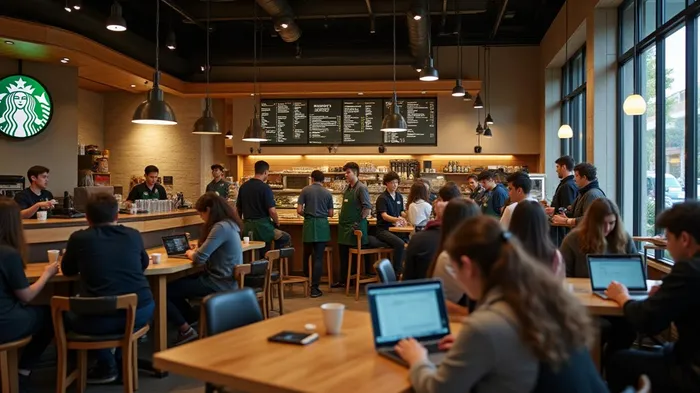
Niccol’s plan centers on reversing course from previous cost-cutting measures that prioritized automation over human interaction. The company is halting its rollout of the Siren Craft System, a high-tech drink-making machine, and instead hiring thousands of baristas to staff 3,000 U.S. locations. This shift underscores a return to Starbucks’ core identity: a welcoming “third place” where baristas craft personalized experiences.
Key Move:
- Labor Surge: Starbucks aims to increase barista headcount by thousands, reversing prior cuts that critics blamed for chaotic service. Niccol admitted, “Equipment couldn’t offset the removal of labor.”
- Store Redesigns: New seating layouts and a focus on sensory details—like coffee aromas and free refills—are designed to recapture the cozy ambiance that once drew customers.
The Numbers Tell a Tough Story
Despite the strategic pivot, Starbucks reported its fifth consecutive quarterly sales decline in North America, with global comparable store sales falling 1% in Q2. The company’s adjusted EPS dropped 40% year-over-year to $0.41, missing estimates by $0.08. Investors reacted swiftly: shares fell 6.5% in after-hours trading, extending a 9.5% decline over the past year compared to a rising S&P 500.
Critical Challenges:
- Mobile App Chaos: The company’s mobile ordering system, once a point of pride, now contributes to overcrowded drive-thrus and frustrated customers. Niccol pledged to overhaul the app by allowing customers to choose pickup times.
- Labor Battles: Ongoing union negotiations and a rejected contract offer in Buffalo highlight tensions over wages and working conditions. Starbucks argues its $30/hour total compensation (including benefits) is industry-leading, but workers demand more.
The China Factor and Global Ambitions
China, Starbucks’ second-largest market, remains a mixed bag. Sales there were flat in Q2, though transactions rose 4%. Niccol reaffirmed the company’s long-term commitment to China, citing plans for “product innovation” and localized marketing. Yet tariffs and inflation loom large: U.S. tariffs on Chinese imports now stand at 145%, squeezing margins and consumer sentiment.
Global Growth Hurdles:
- Sustainability Push: Starbucks aims to meet 10,000 stores’ energy-saving targets by 2025, but critics argue these efforts don’t offset declining sales.
- Competitor Pressure: Chains like Tim Hortons and Tims Coffee have gained traction by offering cheaper, faster options, squeezing Starbucks’ premium positioning.
Conclusion: A Risky Gamble with Long-Term Potential
Niccol’s strategy is a high-stakes bet on customer experience and workforce investment. While the recent stock drop and sales slump are worrisome, the CEO’s focus on operational simplicity and brand authenticity align with Starbucks’ founding ethos. Key data points suggest cautious optimism:
- The order-sequencing algorithm pilot reduced wait times to under four minutes in 400 stores, a sign that tech can complement—not replace—human service.
- Starbucks’ average barista wage (including benefits) exceeds $30/hour, potentially reducing turnover and improving quality.
However, success hinges on execution. If Niccol can stabilize U.S. traffic and reignite China’s growth, Starbucks could rebound. For now, investors must weigh the CEO’s confidence—“Back to Starbucks is the right strategy”—against the harsh reality of a 6.5% stock drop. The coffee giant’s next sip could be its most critical yet.

Stay ahead of the market.
Get curated U.S. market news, insights and key dates delivered to your inbox.




Comments
No comments yet